
What Does $750,000 Buy in Phoenix, Arizona vs. Southern California?
Same $750,000 budget, very different homes. Compare what it buys in Phoenix, Arizona vs. Southern California, neighborhood by neighborhood, with property taxes, insurance, investor numbers and real California client results.
California to Arizona · Relocation Guide · 2026What does $750,000 buy in Phoenix, Arizona vs. Southern California?
Compare my budget with Eric →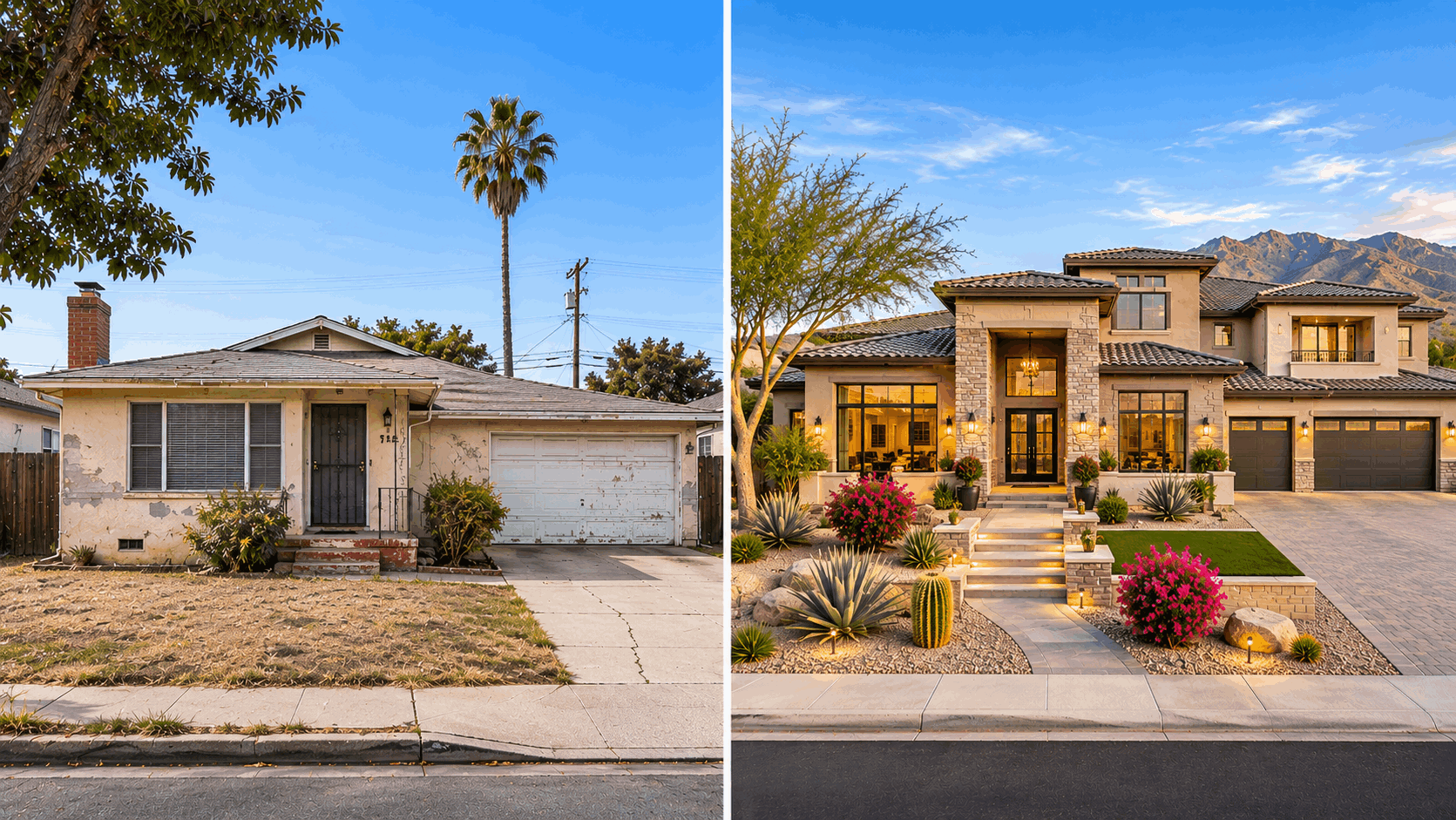 Southern California Greater Phoenix

Owner, The Ravenscroft Group at Real Broker · Former Director of Wealth Management
Market data through Sept 2026 · 15 min read
Key takeaways
- $750,000 is below the median single-family price in every coastal Southern California county, but about 1.7 times the typical Phoenix-metro home value.
- In most of the Valley, that budget buys 4–5 bedrooms, often with a pool and 3-car garage, or a new build with builder incentives.
- Property and income taxes usually favor Arizona. A $750K buyer can save roughly $3,400 a year in property tax, and a $200K household $11,000+ in state income tax.
- Insurance can be remarkably affordable. A client's recent $750,000 purchase was quoted at $790 for the entire year.
- Phoenix also works for investors. No rent control, no city tax on long-term rent, and lower holding costs help rental cash flow.
- You can often buy before your California home sells. My Ventura County clients did, with 6% off and builder-paid closing costs.
- Phoenix vs. California home prices
- What the house actually looks like
- Best Phoenix suburbs at $750K
- Cost of living: Phoenix vs. California
- Investing in Phoenix real estate
- Real California-to-Arizona client results
- What California clients say
- The honest trade-offs
- How to plan a move to Phoenix
- FAQ
- About the author
If you're thinking about moving from California to Arizona, the first surprise is usually how much further the same housing budget goes. In much of Southern California, $750,000 buys a condo, a smaller older house, or a long commute. In the Greater Phoenix market, the same number can buy a newer four- or five-bedroom home with a pool, a three-car garage, and room for an office.
Whether you're moving to Phoenix for more space, investing in Arizona real estate, or simply looking for better value than coastal California offers, this guide breaks down what your money really buys and what it really costs to own.
That's only half the analysis, though. Property taxes, insurance, financing, HOA and district fees, and your income-tax picture all change the real cost of the move. I spent 15 years in financial planning, including as a Director of Wealth Management, before becoming a REALTOR®, so this guide looks at the full financial picture, not just the list price. It's the same approach behind the complimentary financial plan I build for clients.
Phoenix vs. California home prices: where $750,000 lands
The dashed line marks a $750,000 budget. In every coastal Southern California county, the median single-family home sits well to the right of it. In the Phoenix metro, the typical home sits far to the left.
Sources: California Association of Realtors via LA Almanac; Zillow Home Value Index via AZ Big Media and Zillow. CA and AZ figures use different methods (median sale price vs. typical value), so read them as a scale comparison. For month-by-month detail, see my Phoenix housing market updates.
Two numbers stand out. In Orange County, the median condo or townhome was about $794,500 in September 2026, above our $750,000 budget for an attached home. And in the Phoenix metro, $750,000 is roughly 1.7 times the typical home value. That's the gap California buyers feel the first time they tour homes here.
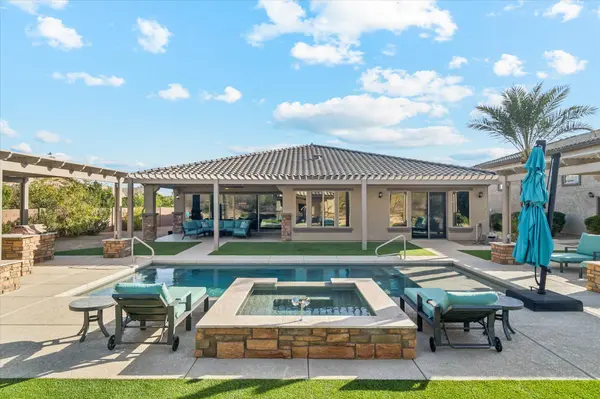
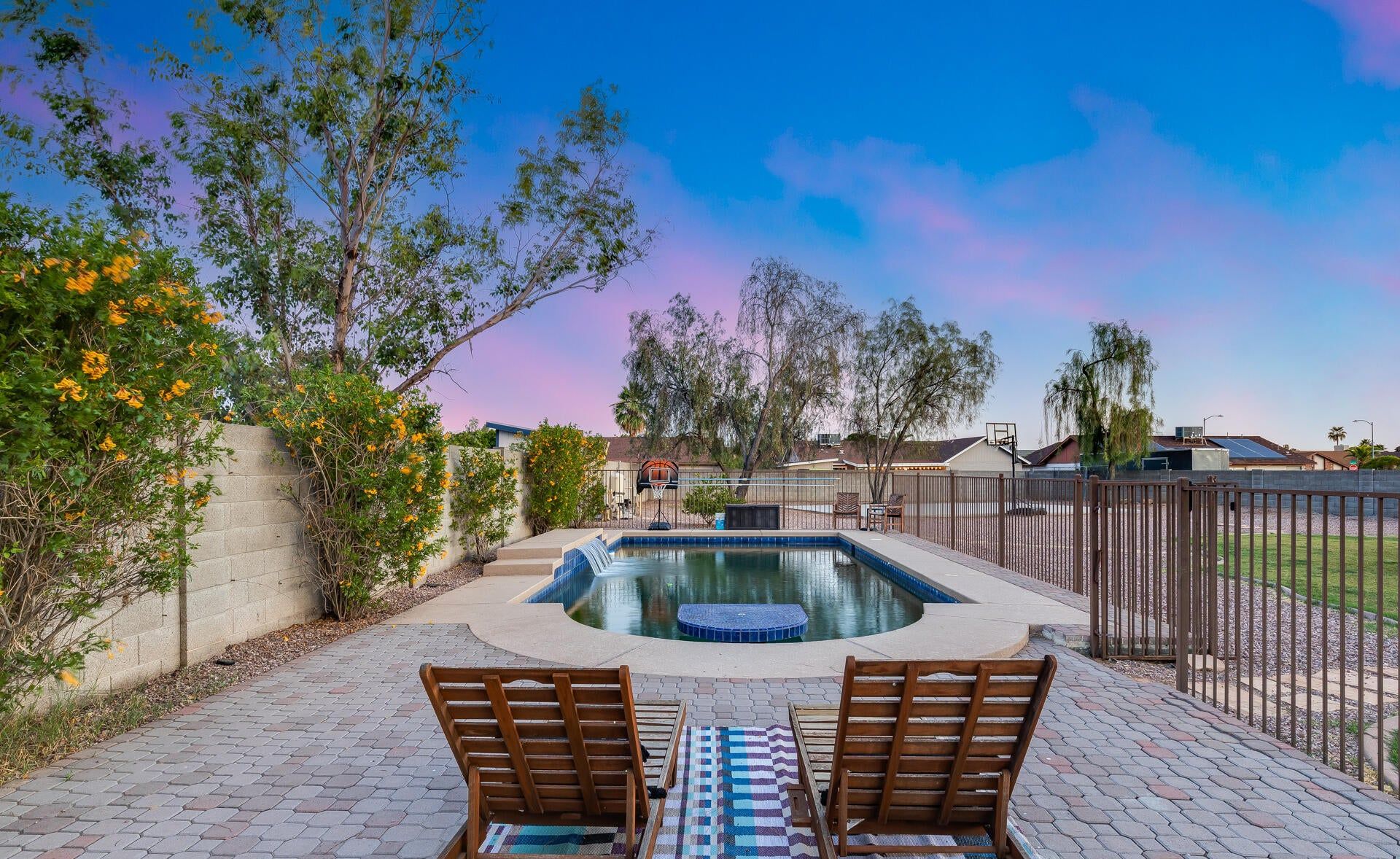 Pebble Tec pool at a California client's Glendale 1031 home
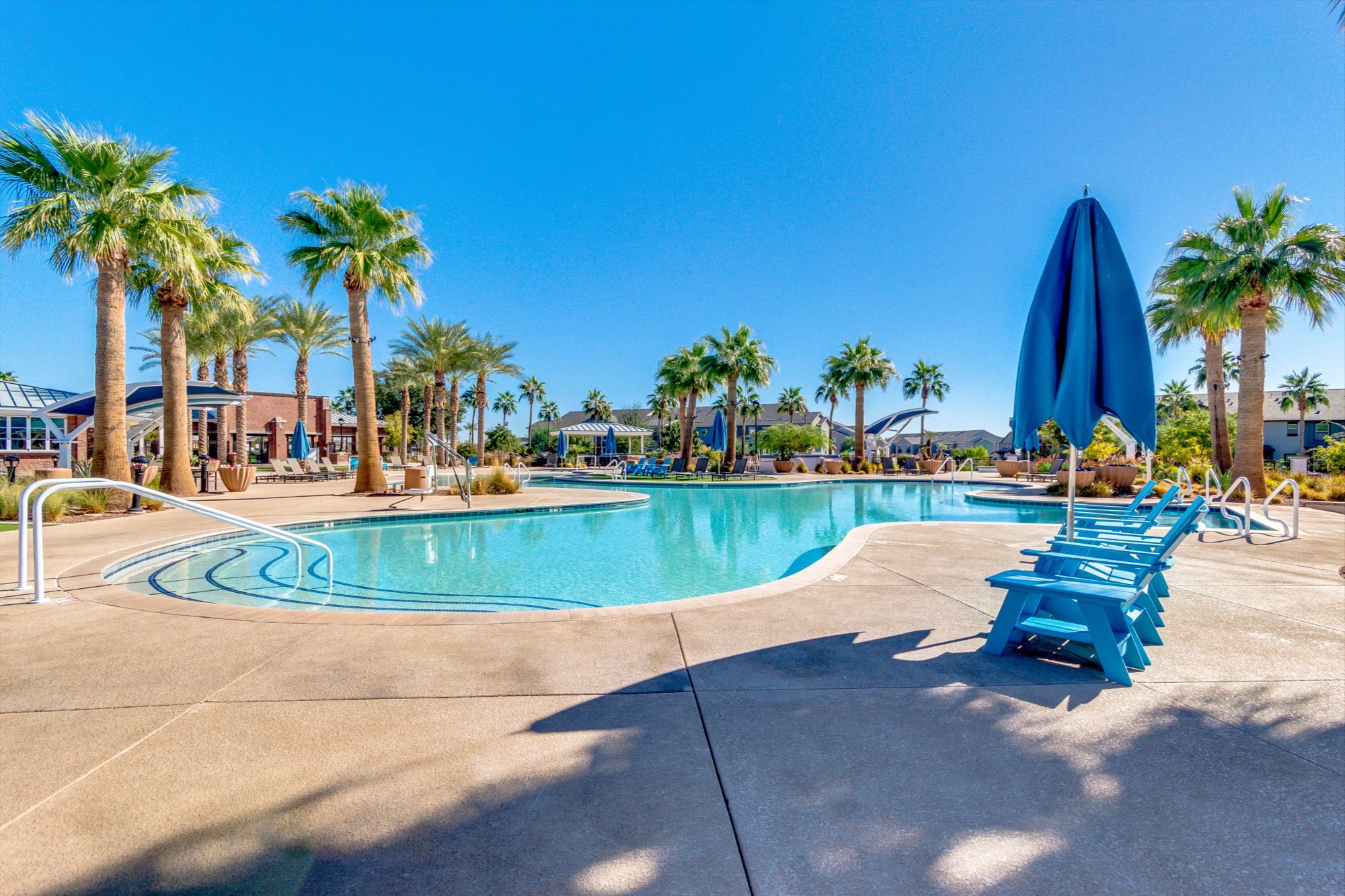 Resort-style amenities in Verrado, Buckeye
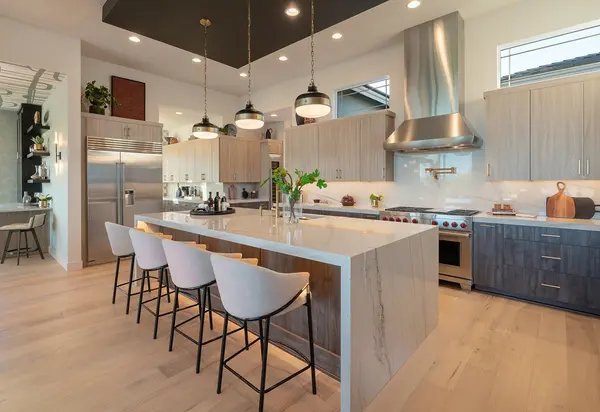
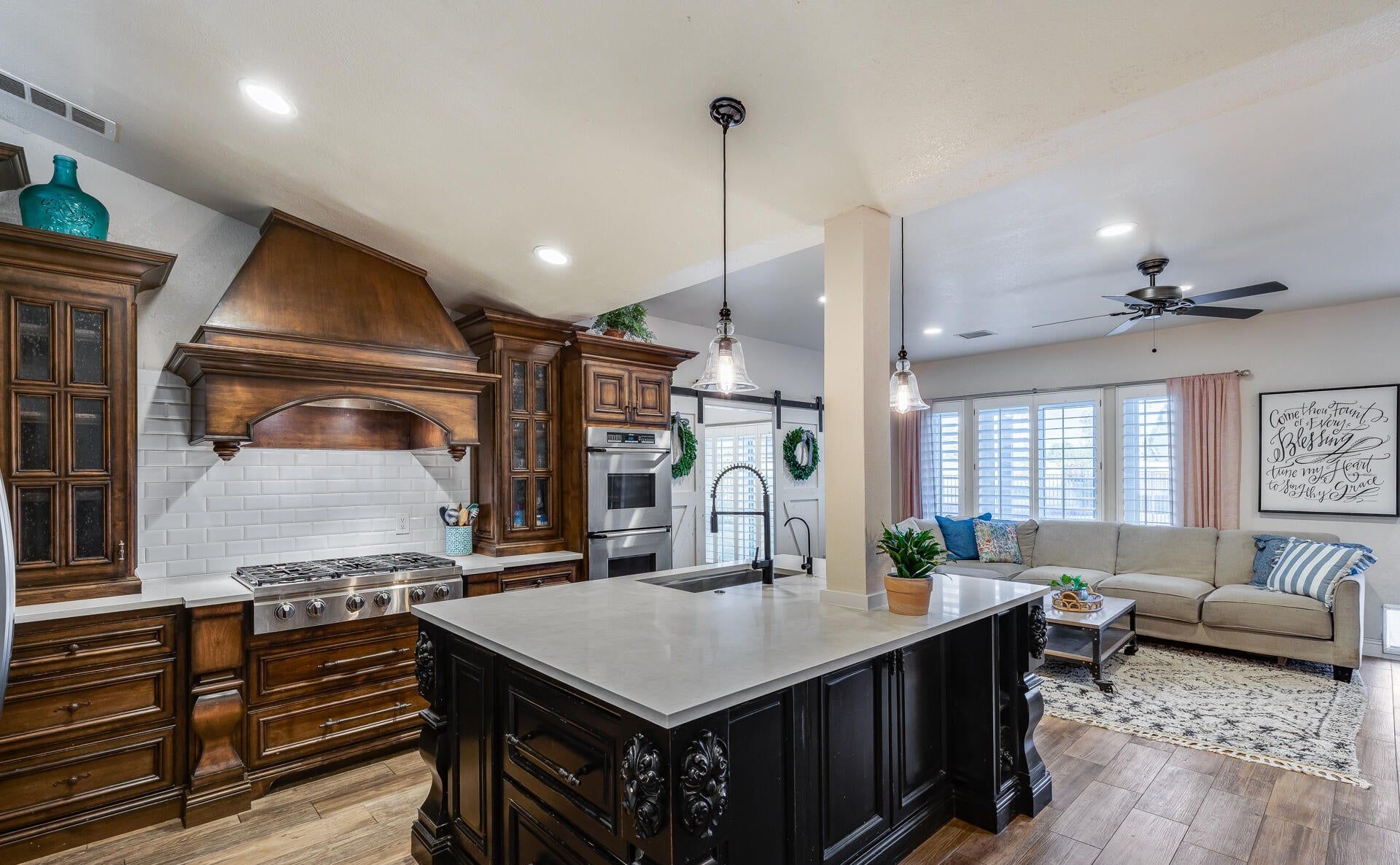 Updated kitchen and living room in the same Glendale home
What the house actually looks like at $750,000
Here's what a buyer typically sees on a tour at roughly the same budget, based on fall 2026 market conditions. Every listing is different, so treat these as typical outcomes, not guarantees.
Coastal and close-in counties
- A condo or townhome in much of Orange County
- A 2–3 bedroom house that's often 40–60+ years old in parts of LA, Ventura or San Diego counties
- Limited yard, street parking or a 2-car garage at best
- Inland Empire: more space, but longer commutes back to coastal jobs
- New buyers pay roughly 1.1–1.25% of price in property tax, plus any Mello-Roos
Most of the Valley
- 4–5 bedrooms, often 2,800–3,800+ sq. ft. in the West and Southeast Valley
- Private pool, covered patio and a usable backyard
- 3-car or tandem garages, RV gates on some lots
- New construction with builder incentives in many communities
- Master-planned amenities: resort pools, trails, parks, golf
- Average effective property tax rate of about 0.48%
Coming from LA? My Los Angeles to Phoenix relocation guide covers neighborhoods that match LA lifestyles.
Best Phoenix suburbs for California buyers at a $750,000 budget
The Phoenix metro isn't one market. Where you land shapes how much house, how much land and how much commute you get. Here's how $750,000 plays out in the communities my California clients ask about most. For a wider view, see my guide to the best areas to buy in Phoenix in 2026.
"Typical at $750K" reflects common outcomes in fall 2026, not a specific listing. Inventory changes weekly, so verify against live MLS data before deciding.
 Scottsdale
: location over square footage
Scottsdale is the closest thing in Arizona to a coastal-California price feel. At $750,000 you're typically choosing between an updated single-level home in central or south Scottsdale and a newer townhome farther north. Buyers who want walkability, dining, golf and resort energy still find better value here than in comparable Orange County neighborhoods. The 85254 zip code also draws investors using the short-term rental tax break for W-2 earners.
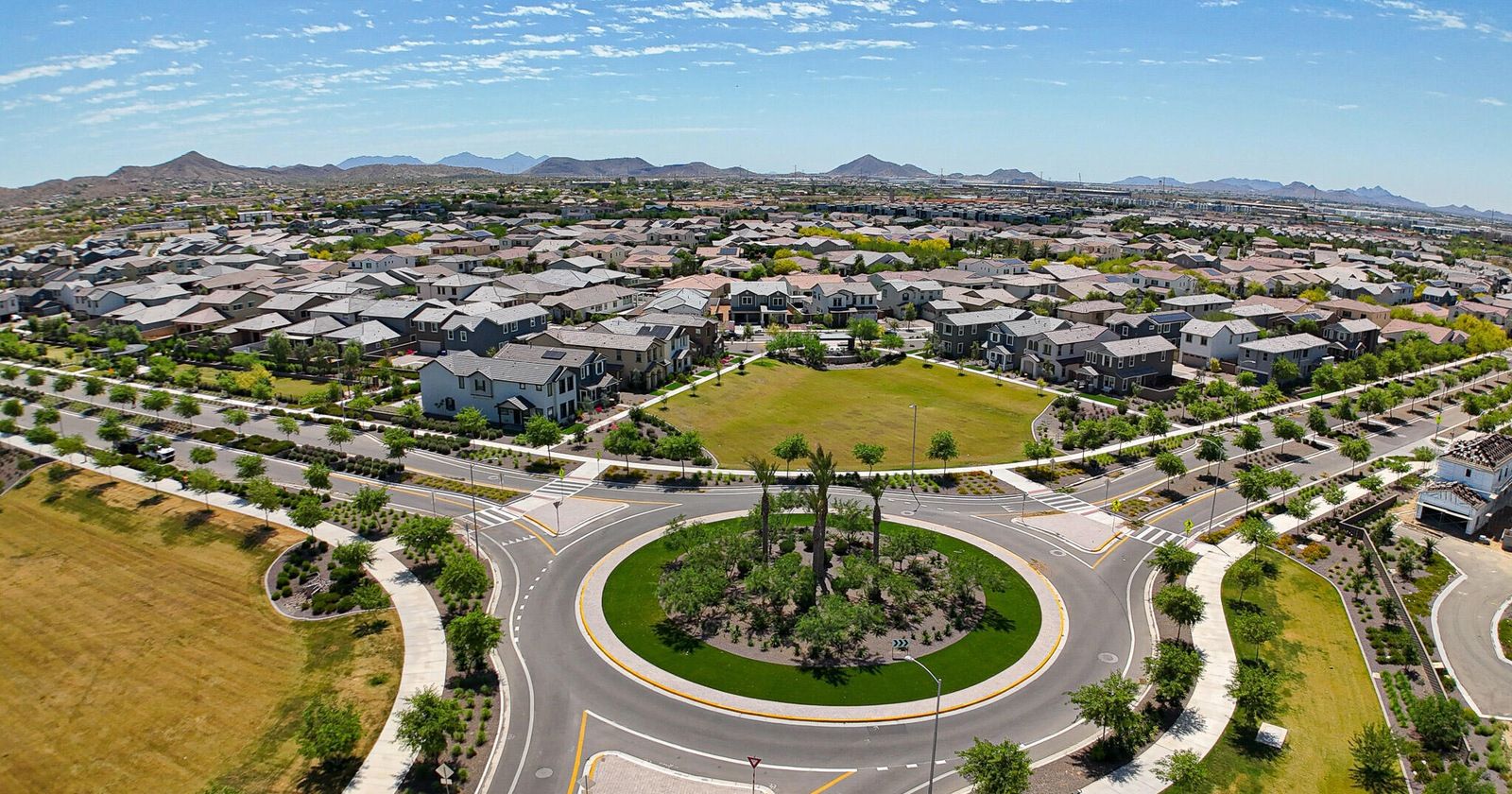 North Phoenix · Norterra
North Phoenix: the TSMC growth corridor
North Phoenix offers newer homes, I-17 and Loop 101 access, and proximity to the TSMC semiconductor campus, one of the largest employment projects in the state. Communities like Union Park at Norterra attract both owner-occupants and investors. One of my 1031 clients bought here $110,000 below list price.
 Peoria · Vistancia
Peoria: master-planned living with mountain views
Peoria's typical home sells for roughly $495,000, so a $750,000 budget reaches into its best communities. Vistancia offers trails, resort-style amenity centers and the gated Blackstone enclave, one of the Valley's top golf course communities. North Peoria's schools and lower-density feel make it a frequent fit for California families with kids.
 Goodyear · Estrella
Goodyear: golf, lakes and room to spread out
Goodyear combines established golf neighborhoods in Palm Valley with lake-centered living in Estrella, where residents share two private lakes beneath the Estrella Mountains. Some floor plans include a casita or even a basement, which is rare in Phoenix. Estrella is also home to CantaMia, where my Bay Area clients bought a new build at 4.25% (case study below). Goodyear is one of five West Valley cities where RealTrends ranks me the #1 agent.
 Buckeye · Verrado
Buckeye: the most house for the money
Buckeye's typical home value was about $391,000 in September 2026, so $750,000 puts you near the top of the market here. Verrado stands out with its walkable Main Street, tree-lined streets and golf, while Teravalis is one of the largest new master-planned developments in the country. The trade-off is distance: commutes to central Phoenix and Scottsdale run longer, so this works best for remote workers and West Valley employees. Buckeye is also the market where RealTrends ranks me the #1 agent, along with nearby Litchfield Park, Goodyear, Glendale and Waddell. See current options in my 2026 new construction guide.
 Surprise · Sterling Grove
Surprise: space, value and active-adult options
Surprise homes typically run about 14% below Peoria, which stretches a $750,000 budget into larger new construction or a luxury home in Sterling Grove, a gated community built around a Nicklaus-designed golf course. It's a frequent landing spot for California retirees exploring 55+ active adult communities, and for families who want newer homes at a lower price per square foot in places like Marley Park.
 Queen Creek · Harvest
Queen Creek: family space and new construction
Queen Creek's median price was about $659,000 in the first half of 2026, and nearby San Tan Valley runs lower. That puts large new builds with guest suites, bonus rooms and 3–4 car garages within a $750,000 budget. Harvest is one of the area's most popular family communities, with a farmhouse feel. It's also where my Ventura County clients landed (case study below).
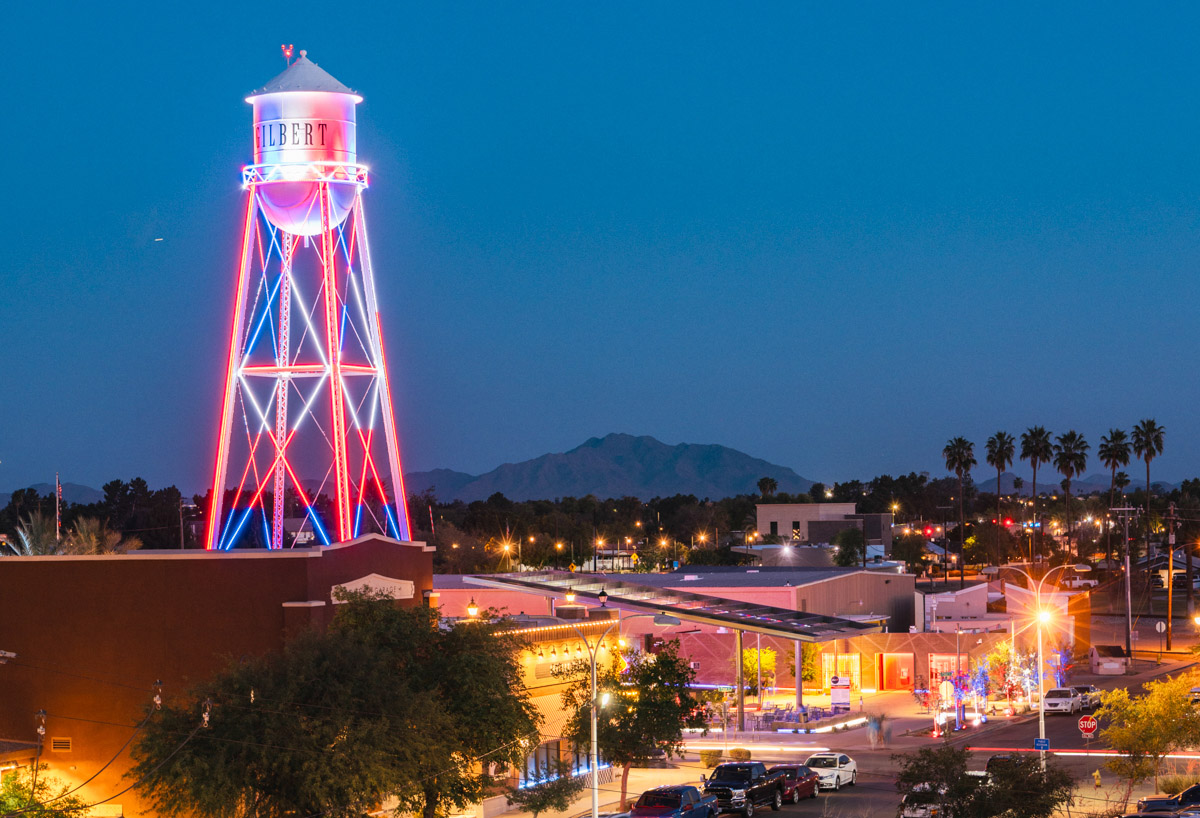 Gilbert · Chandler
Gilbert and Chandler: schools and short commutes
Gilbert and Chandler offer highly regarded schools, tech employers like Intel, and quicker drives to Sky Harbor Airport and Tempe. Homes here cost more per square foot than the outer Valley, so $750,000 typically buys a well-kept 4-bedroom resale, sometimes with a pool, rather than a 3,800 sq. ft. new build.
 More than 300 days of sunshine a year, with trailheads minutes from most Valley neighborhoods.
Let's match the neighborhood to your life, then to your budget.
In a 30-minute call we'll cover commute, schools, lifestyle and your California sale timeline, then look at real homes in two or three communities that fit.
Schedule a relocation strategy call Explore the relocation resourceCost of living in Phoenix vs. California: the full picture
This is where my financial-planning background matters most. Two homes with the same price can have very different monthly costs. Here's a side-by-side example on a $750,000 purchase. To run your own numbers, try my mortgage and affordability calculators.
| Illustrative $750,000 purchase | Southern California | Greater Phoenix |
|---|---|---|
| Principal & interest (20% down, 6.75%, 30-yr) | $3,892/mo | $3,892/mo |
| Property tax (est. 1.15% CA new buyer vs. ~0.7% AZ incl. typical district levies) | ~$719/mo | ~$438/mo |
| Homeowners insurance | Rising fast; limited carriers and FAIR Plan policies in wildfire zones | Recent quote: $790/yr on a client's recent $750,000 purchase |
| Mello-Roos / special districts / HOA | Common in newer CA communities | HOA common in master-planned communities |
| State income tax on a $200K household | ~$16,000–$18,000/yr | ~$4,580/yr |
| What changes most | About $3,400/yr less property tax and $11,000+/yr less state income tax, with far more house for the same principal. | |
Illustrative only: rates, tax levies and premiums vary by property, lender and household. Income-tax comparison per CountryTaxCalc 2026 estimates. California's base property tax rate is 1% under Prop 13 before local voter-approved levies. For a fuller walkthrough, read Can you afford a home in Phoenix in 2026?
Property taxes
California's average effective rate looks low on paper (0.70%) because Prop 13 keeps long-time owners' assessments down. A new buyer, though, is reassessed at the purchase price and typically pays 1.1–1.25% after local levies. Arizona's average effective rate on owner-occupied homes is about 0.48%, among the lowest in the country.
Arizona also protects owners over time. The taxable value of your home (the county's "limited property value") can rise no more than 5% a year, no matter how fast the market moves, and a primary residence is assessed at just 10% of that value before tax rates apply. One thing to watch: a brand-new build is often taxed on the lot alone for its first bill, so the early bill can look tiny until the county reassesses the finished home. Some newer communities also carry community-facilities district assessments, so I pull the actual tax history on every home we consider.
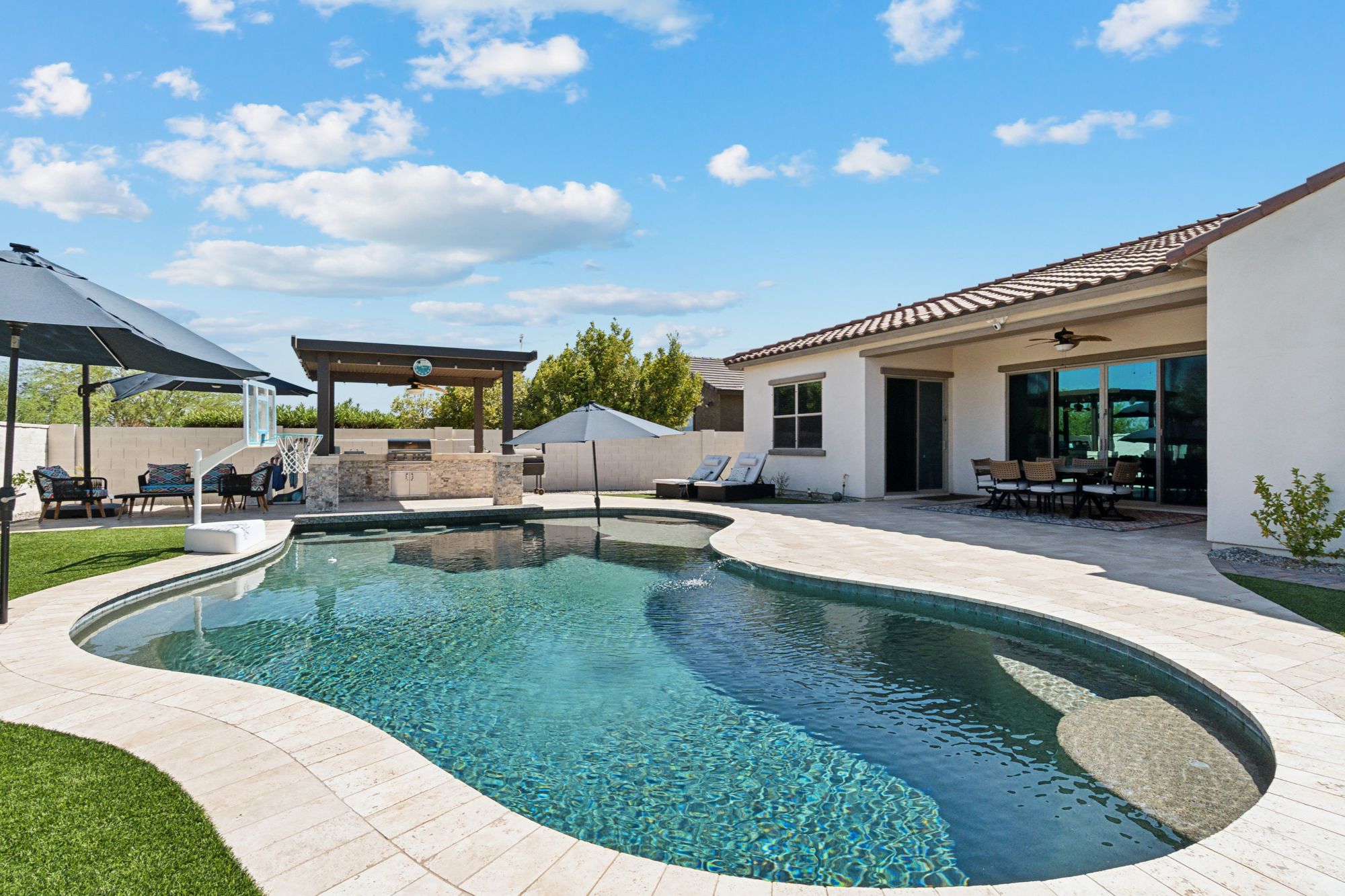
Insurance: where new construction really shines
Here's a real number from this month: a $580,000 new build in the Phoenix area was just quoted at $650 for the entire year of homeowners insurance. That's about $54 a month. And it isn't a one-off: a client's recent $750,000 purchase was quoted at $790 for the year, about $66 a month. Insurers price newer Valley homes this low because they're built to current codes, with new roofs, plumbing and electrical, and because the Phoenix metro sees far less of the wildfire and earthquake exposure that drives California premiums.
Don't be misled by statewide averages. LendingTree's 2026 report put California's average at $1,413 a year, below Arizona's, but those averages blend in older homes and higher-risk areas. They also hide what California buyers are actually facing: rates up more than 50% since 2020, and many buyers in fire-exposed areas unable to get standard coverage at all, ending up on the state's FAIR Plan. Older resale homes in Arizona will quote higher than a new build, so always get a real quote on the specific home during your inspection period.
Income tax and your long-term wealth
Arizona's flat 2.5% income tax is one of the lowest in the country. For a household earning $200,000, the difference versus California can exceed $11,000 a year. Invested over ten years, that gap alone can rival a down payment, which is why I treat real estate as an asset class inside your overall plan. If you're selling California investment property, a California-to-Arizona 1031 exchange can defer capital gains into Arizona real estate, though California's clawback rules still apply when you eventually sell. My real estate tax strategy page covers the other levers.
"The list price is only the first number. The decision is made on the monthly cost, the tax picture and what the home does for your long-term plan."
Housing is the biggest piece of the cost of living, and it's where Phoenix is most affordable compared with coastal California. For groceries, utilities, gas and everyday expenses, see my full California vs. Arizona cost of living comparison.
Investing in Phoenix real estate: why California investors are buying here
The same math that gives a family more house gives an investor more return. A California buyer who would pay well over $1 million for one coastal rental can often buy one or two Phoenix-area rentals for the same money, with lower holding costs and fewer regulatory headaches. That's why so many of my California clients buy Arizona investment property, often through a 1031 exchange.
Sources: SFR Analytics (rent and yield, July 1, 2026); University of Arizona Eller College Economic and Business Research Center, Phoenix MSA forecast (August 2026).
Why the numbers work for rental owners
- No rent control. Arizona law (A.R.S. § 33-1329) bars cities and counties from enacting rent control on private residential property.
- No city tax on long-term rent. Arizona ended the transaction privilege tax on residential rentals of 30 days or more on January 1, 2025.
- Lower holding costs. Lower property taxes and, on newer homes, much lower insurance premiums leave more of the rent as cash flow. My Vistancia and Verrado 1031 clients cut their property tax bill to about a quarter of what it was in California.
- Demand drivers. Steady population growth plus major employers like TSMC in North Phoenix support long-term rental demand. My TSMC North Phoenix guide covers that corridor.
- Short-term rental options. In markets like Scottsdale, the right STR can also offset W-2 income through cost segregation and bonus depreciation. See my STR tax break guide.
Selling a California rental first? My guide to why Phoenix works for a 1031 exchange walks through the rules, the timeline and the replacement markets, including how California's clawback rule applies.
Real California-to-Arizona client results
These are clients I represented. Each result reflects that client's situation and isn't a promise of future outcomes. See more on my client wins and case studies page.
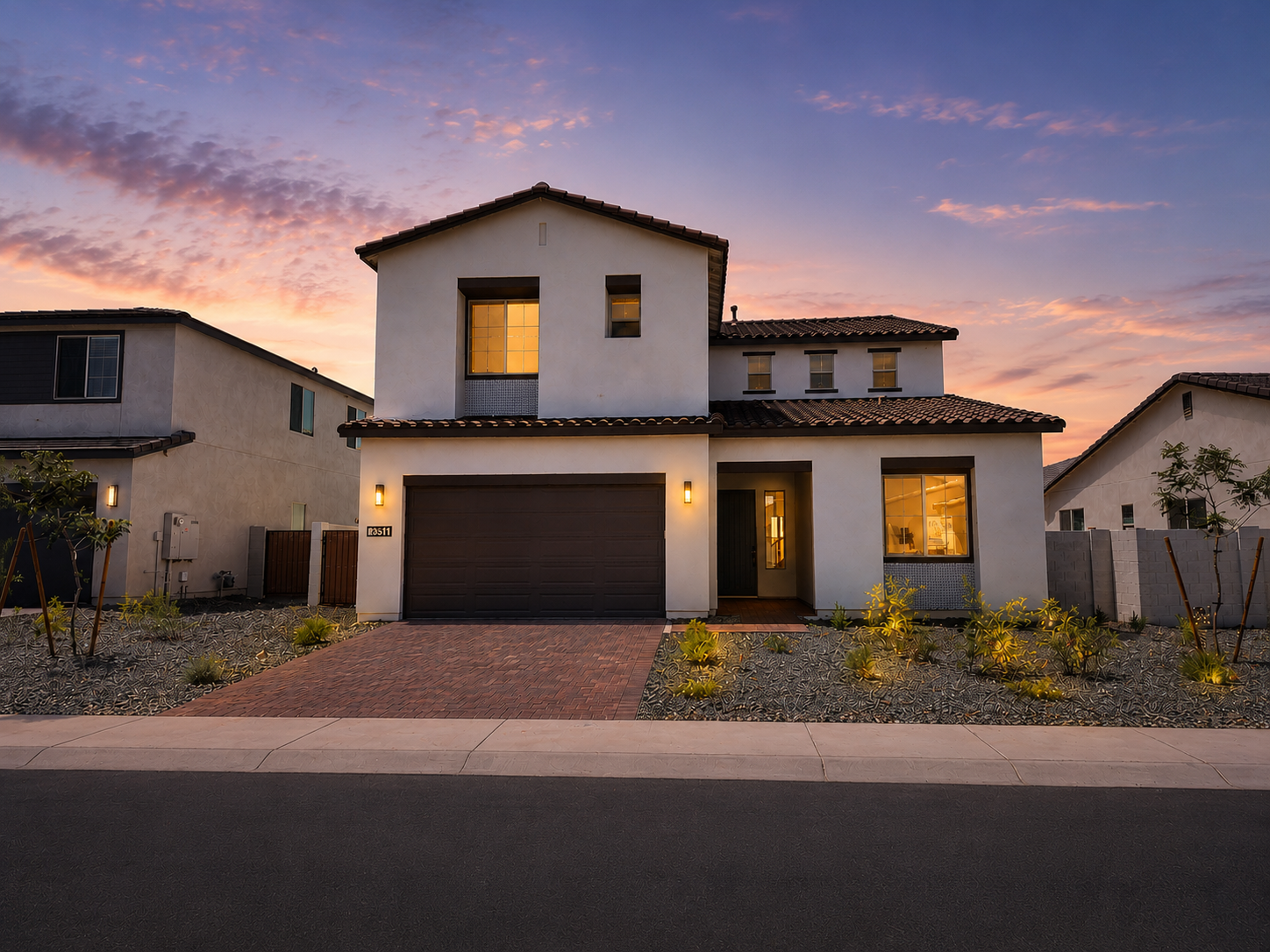
From a 1,000 sq. ft. condo to a 3,800 sq. ft. new build
A Ventura County family referred by a Southern California partner office owned a nearly 40-year-old, 2-bedroom condo of just over 1,000 sq. ft. They needed to sell it before they could buy, so every offer had to be contingent.
We focused on new builds and found a 5-bed, 4-bath, 3,800 sq. ft. quick move-in home with a downstairs guest suite, a bonus room and a 4-car garage. It had been sitting, so we negotiated 6% off, builder-paid closing costs and strong financing, all with the California sale contingency in place. Here's my approach to selling your home before buying a new one.
Read the full case study →
One $2M California asset, two Arizona rentals
Two brothers co-owned a $2 million California multifamily property weighed down by high property taxes, insurance costs and tenant-friendly landlord law. We structured two separate 1031 exchanges, one per brother, into single-family rentals in Vistancia and Verrado. The result: stronger combined rent, a property tax bill about a quarter of what it had been, and no rent-control exposure. More in my guide to Arizona investment property.
Read the full case study → Bay Area → CantaMia, Goodyear · 55+
rate on a new build, with $0 closing costs
Bay Area clients timed their California sale proceeds with builder incentives to land a new CantaMia home on an oversized lot.
Read the case study →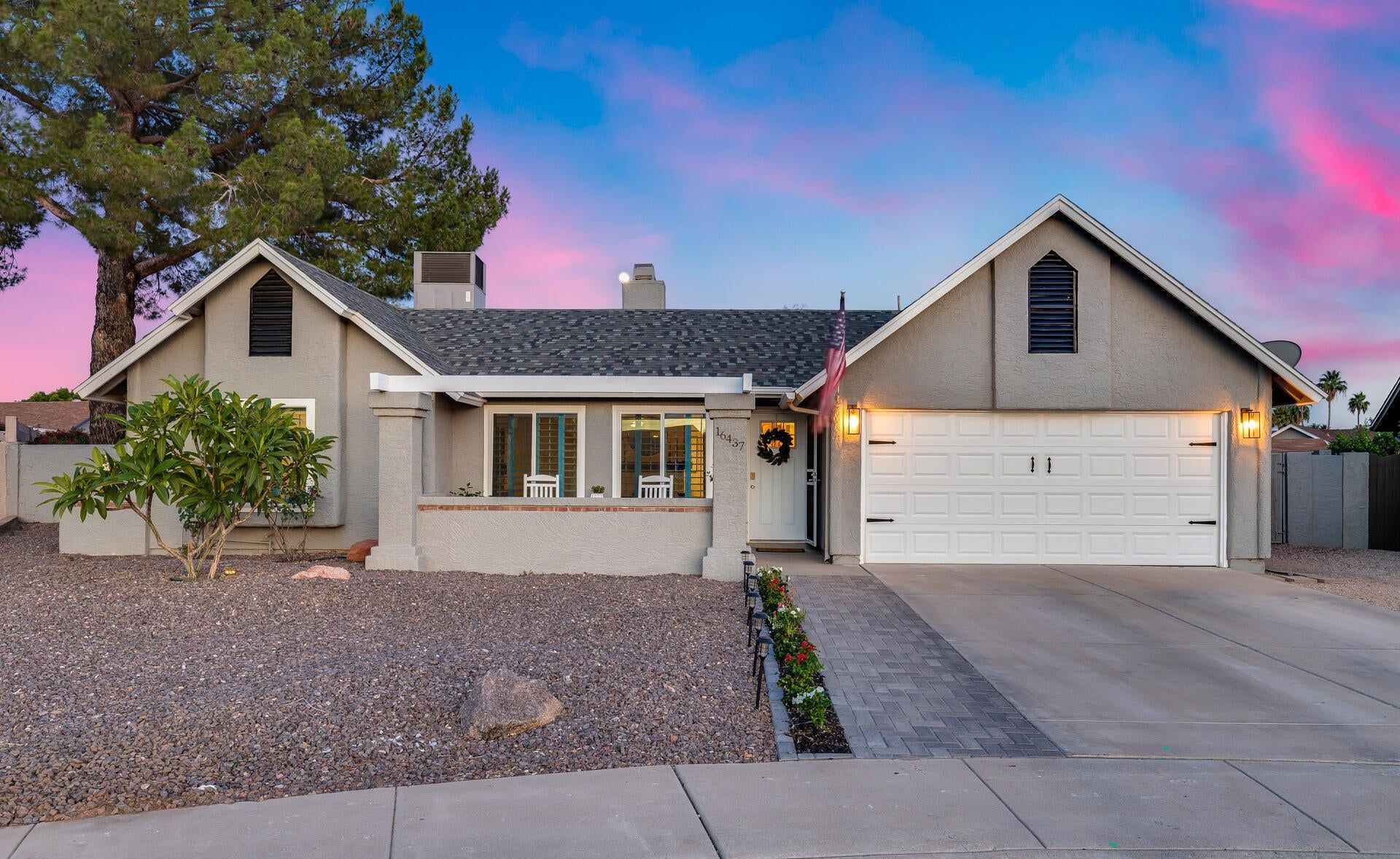 1031 · Estate planning · Glendale
in taxes deferred for a California investor
A rental bought for about $175K sold for $550K. We exchanged into a Glendale rental bought $20K under list with a cash offer, structured with her CPA and estate attorney so her heirs receive a stepped-up basis.
Read the case study →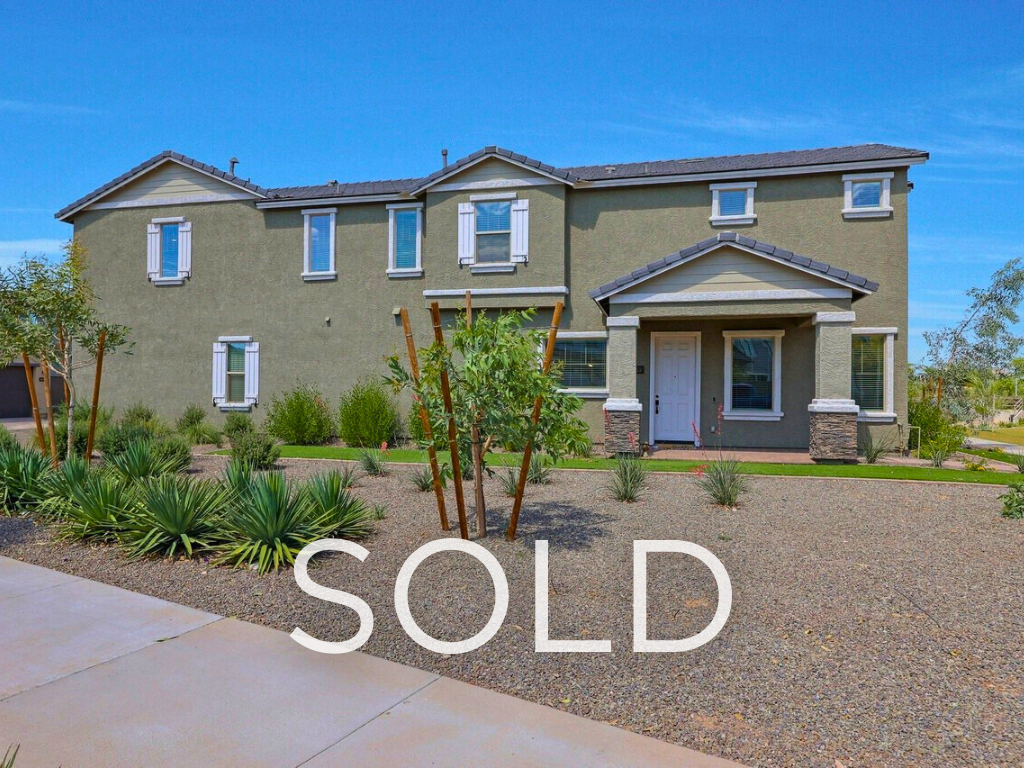 1031 · North Phoenix · TSMC corridor
below list at Union Park at Norterra
A 3-bed, 2.5-bath, 2,567 sq. ft. home 15 minutes from TSMC, with projected rents of $3,100–$3,500 a month.
Read the case study →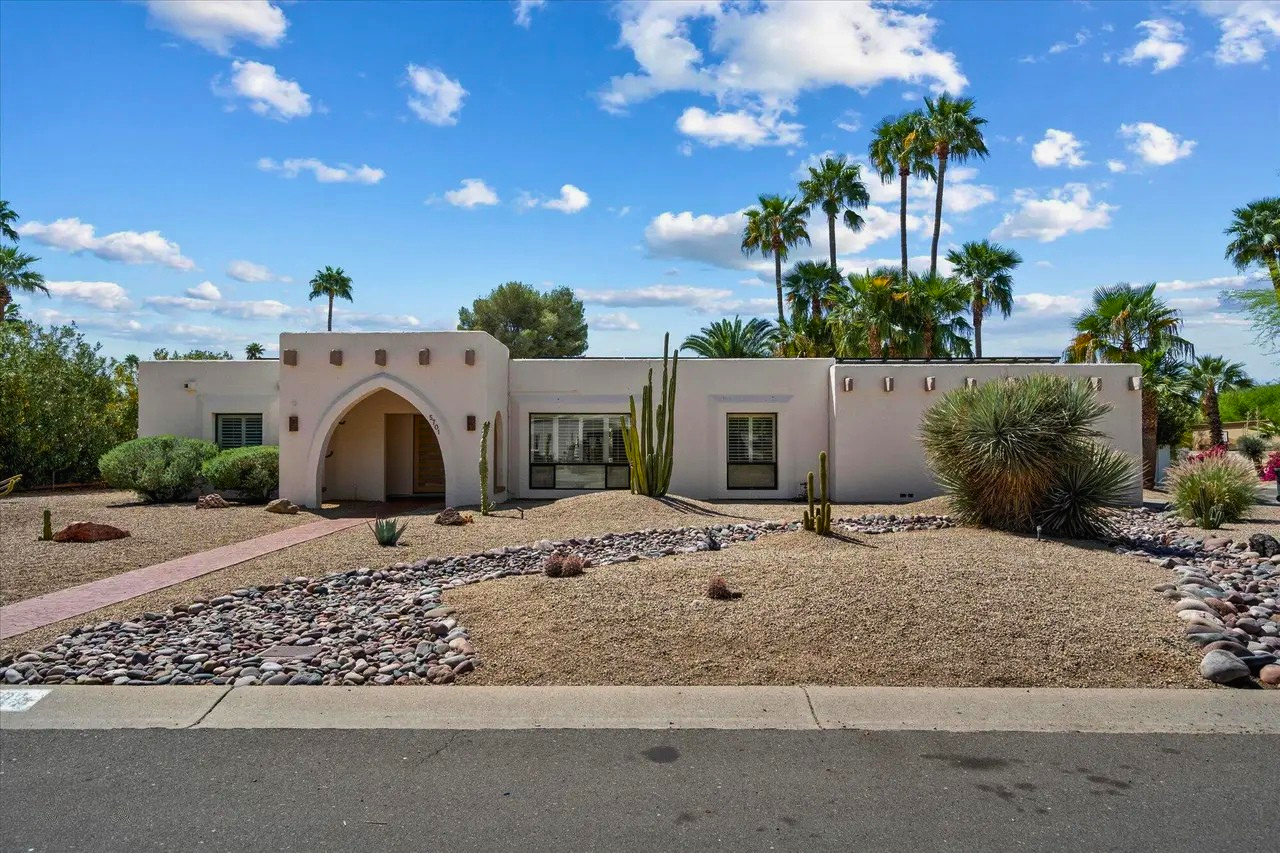 Short-term rental · Scottsdale 85254
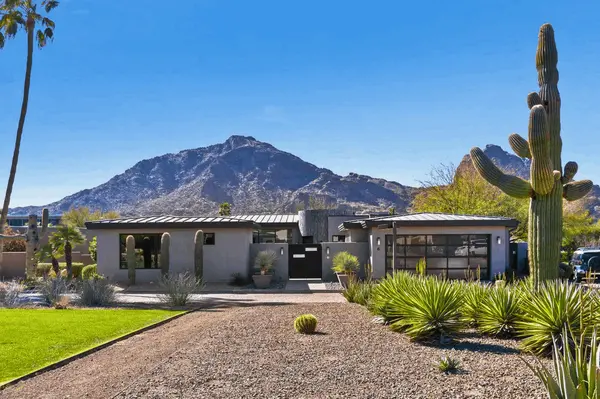
below list on a turn-key STR
A furnished, income-producing Scottsdale home with seller-paid closing costs and a new roof, timed for a bonus depreciation strategy.
Read the case study →What California clients say
These reviews come from California clients who moved to Arizona. Minor typos are corrected; the wording is otherwise theirs.
"We were also selling our home in Ventura County at the same time, so there were a lot of moving pieces to coordinate. Eric was incredibly patient as he helped us tour what felt like countless new home communities throughout the San Tan Valley area. In the end, he negotiated an incredible deal on a quick move-in home that had been sitting for a while, helping us secure a home that exceeded our expectations while taking advantage of builder incentives we wouldn't have known were available."
John G. · Ventura County, CA → San Tan Valley, AZ"Eric took the time to understand our goals, explain different investment strategies, review potential cash flow, discuss long-term appreciation, and coordinate with our CPA throughout the 1031 exchange process."
Mike & Laura · 1031 exchange, California → Arizona"Eric was very responsive during my lengthy new home buying process. He even went the extra mile and took care of the final walkthrough inspection!"
Kenneth · Ventura County, CA · New build"His patience and professionalism gave us confidence during the whole process."
Edson · San Diego, CA"Since we were in California, we relied on Eric for every detail that we needed and he delivered!"
Alberto · California → Arizona STR buyer
The honest trade-offs
Arizona isn't the right answer for everyone. Before you decide, weigh these:
- Summer heat is real. June through September regularly tops 105°F. Pools, shade and good HVAC matter more here.
- No ocean. San Diego and the beaches are a 5–6 hour drive. Lakes, mountains and Northern Arizona fill in.
- Commute vs. space. The biggest homes are often farther out. Map your drive before you fall in love with a floor plan.
- Prop 13 isn't coming with you. If you've owned in California for decades, your current tax bill may be low. Compare your actual bill to the Arizona estimate.
- Insurance varies by home age, and HOA fees vary by community. New builds often quote very low, older resales higher. Get quotes and review HOA budgets during your due-diligence period.
- Income and jobs. Local salaries can run lower than coastal California. Remote workers and retirees often benefit most.
How to plan a move from California to Phoenix

- Start with the math, not the listings. We compare your current California costs to realistic Arizona scenarios, including taxes, insurance and HOA.
- Choose two or three target communities based on commute, schools and lifestyle. My Phoenix relocation resource is a good starting point.
- Get pre-approved with a lender licensed in Arizona, and compare builder-lender offers. Investors should see 2026 new construction investor rates.
- Sequence the California sale. Decide between a contingent offer, a bridge loan or selling before you buy.
- Tour efficiently. Many clients start with live video tours, then fly in for one focused weekend. Here's how I work with out-of-state buyers.
- Negotiate the whole package. Price, closing costs, rate buydowns, upgrades and timeline. My new construction buyer's guide covers what's negotiable.
- Coordinate your team. CPA for taxes and 1031s, an insurance agent, and an inspector, even on new construction.
Frequently asked questions
Is $750,000 a good budget for a home in Phoenix?
Yes. Zillow put the typical Phoenix-metro home value at about $440,821 in September 2026, so $750,000 sits roughly 70% above it. In much of the West Valley and Southeast Valley that means 4–5 bedrooms, often with a pool or as new construction. In Scottsdale it buys less space, usually a well-located single-level home or townhome.
Are property taxes lower in Arizona than California?
Generally yes for a new buyer. Prop 13 sets California's base rate at 1% of the purchase price, and local levies usually bring a new buyer to about 1.1–1.25%. Arizona's average effective rate on owner-occupied homes is about 0.48%, and the taxable value of your home can rise no more than 5% a year. Some Arizona master-planned communities add special district assessments, so check each home's actual bill.
Is homeowners insurance cheaper in Arizona than California?
Often, yes, especially for newer homes. A client's recent $750,000 purchase in the Phoenix area was quoted at $790 for a full year of coverage. Statewide averages can show California lower, but they blend in older homes and higher-risk areas, and many California buyers in wildfire zones face limited carriers or FAIR Plan policies. Older Arizona resale homes quote higher than new builds, so get a quote on the specific property before your inspection period ends.
Can I buy in Arizona before my California home sells?
Often, yes. Contingent offers are harder on resale homes, but builders with standing inventory may accept a home-sale contingency. My Ventura County clients did exactly that and still received 6% off plus builder-paid closing costs. Here's how I approach selling your home before buying a new one.
What is Arizona's state income tax rate?
Arizona has a flat 2.5% individual income tax for 2026. California uses progressive brackets with a top rate of 13.3%.
Which Phoenix suburbs are best for California families?
It depends on commute and priorities. Families who want new construction and space often look at Queen Creek, Peoria (Vistancia), Goodyear (Estrella) and Buckeye (Verrado). Those prioritizing schools and shorter commutes often choose Gilbert, Chandler or North Phoenix. Scottsdale suits buyers who value location and lifestyle over square footage. Retirees often start with Surprise and Goodyear's 55+ communities. My moving to Arizona guide compares them in more depth.
Is moving from California to Phoenix worth it?
For many households, yes, especially those who want more space, lower taxes or a remote-work lifestyle. A $750,000 budget that buys a condo or older small home in much of Southern California can buy a newer 4–5 bedroom home in much of the Phoenix metro, with lower property taxes and a 2.5% flat state income tax. The trade-offs are summer heat, no ocean, and in some cases lower local salaries, so it's worth comparing your full budget, not just the price.
Is Phoenix a good place to invest in real estate in 2026?
Phoenix offers several advantages for rental investors: no rent control under Arizona law, no city tax on long-term residential rent since January 2025, lower property taxes, and projected population growth of about 1.5% in 2026. Median asking rent across the metro was about $2,300 in July 2026, with gross yields around 6.4%. Returns vary widely by area and property, so underwrite each home individually.
Is Phoenix more affordable than Southern California?
For housing, by a wide margin. Zillow put the typical Phoenix-metro home value at about $440,821 in September 2026, while the California Association of Realtors reported median single-family prices of $994,670 in Los Angeles County, $1,050,000 in San Diego County and $1,480,000 in Orange County. Lower property and income taxes widen the gap further.
Ready to see what your budget buys in Arizona?
I'll compare your California costs to real Arizona options, map the timing of your sale, and help you negotiate from strength.
Schedule a free relocation call Call or text (480) 269-5858
Eric Ravenscroft, CRS
Owner & Team Lead, The Ravenscroft Group at Real Broker · Former Director of Wealth Management · CRS · GRI · ABR · MRP · SRES® · RSPS
Eric founded The Ravenscroft Group at Real Broker after 15 years in financial planning, including serving as a Director of Wealth Management. Most agents can tell you about a neighborhood; very few can tell you what a home will do to your taxes, cash flow and long-term plan. His practice is built around answering both. Read how he went from finance to real estate.
He leads a relocation practice for families moving from California and across the U.S., specializing in new construction, California-to-Arizona relocation, 1031 exchanges and short-term rental investing. He has closed more than $100 million in residential sales, helped clients build over $150 million in long-term wealth, earned more than 175 five-star Google reviews, and is verified by RealTrends as the #1 agent in Buckeye, Litchfield Park, Goodyear, Glendale and Waddell. He was also recently ranked #2 in Arizona and #22 across North America among all Real Broker agents. His commentary has appeared in The Wall Street Journal, Morningstar, MarketWatch and MSN Money, and he hosts The House of Ravenscroft podcast.
Full bio & credentials · LinkedIn · Book a call · eric@theravenscroftgroup.com · AZ License SA691304000
Keep reading: more for California buyers and investors
- Moving from Los Angeles to Phoenix: Relocation Guide
- Buying in the Phoenix Metro from Out of State
- The Phoenix New Construction Buyer's Guide
- End-of-2026 New Construction Deals
- California-to-Arizona 1031 Exchange
- California vs. Arizona Cost of Living
- Best Areas to Buy in Phoenix in 2026
- Can You Afford a Home in Phoenix in 2026?
- All articles on the blog
Sources & further reading
- California Association of Realtors, September 2026 county median prices (via LA Almanac)
- Zillow September 2026 Market Report, Phoenix metro (via AZ Big Media); Zillow Buckeye home values
- Southern California condo medians, September 2026 (Wire Associates / CRMLS)
- Queen Creek and Scottsdale first-half 2026 data (AZ Big Media via Orion); Peoria closings (Resideline); Surprise vs. Peoria (MoveNumbers)
- Effective property tax rates, WalletHub 2026 (via USA Symbol)
- Arizona flat tax and CA comparison (CountryTaxCalc)
- Phoenix-Mesa-Chandler rent and gross yield, July 2026 (SFR Analytics)
- Phoenix MSA population and job forecast, August 2026 (University of Arizona Eller College)
- End of residential rental transaction privilege tax, January 1, 2025 (Arizona Department of Revenue)
- LendingTree State of Home Insurance 2026 (via Insurance Journal)
Disclaimer: This article is general information, not tax, legal, insurance or lending advice. Figures are estimates based on the sources above as of November 2026 and will change. Consult a CPA, attorney, lender and insurance professional about your situation. Past client results don't guarantee future outcomes, and client reviews reflect individual experiences; no compensation was provided for any review. Eric Ravenscroft, Arizona License SA691304000. The Ravenscroft Group at Real Broker.
Categories
- All Blogs (327)
- Active Adult & 55 Plus Communities (17)
- Arizona Relocation Guides (32)
- Buyers (217)
- Financial Planning (62)
- General Real Estate (144)
- Income From Real Estate (62)
- Market Update (26)
- New Construction (29)
- News, Updates and Coming Soon (57)
- Real Estate Agent Financial Planning (22)
- Real Estate Investing (98)
- Sellers (107)
- Vacation and Short Term Rentals (46)
Recent Posts


About the Author
Eric Ravenscroft is a Top 1% REALTOR® across North America and one of Arizona’s most trusted real estate strategists. With 15 years of experience spanning real estate, wealth management, and investment planning, he helps clients make smarter, financially grounded decisions, from new construction and relocations to STR investments, 1031 exchanges, and long-term portfolio strategy.
Eric’s expertise has earned him industry recognition, Elite status with Real Broker, and features in major publications including the Wall Street Journal, MarketWatch, MSN, and Morningstar. Clients across the Greater Phoenix Metro rely on his clarity, strategic insight, and results-driven guidance.
Ready to make a confident real estate move? Call or text Eric today.