
From San Diego to Surprise, AZ: How Buying New Construction 12% Below List Moved This Couple’s Retirement Forward by Years
From San Diego to Surprise, AZ: How Buying New Construction 12% Below List Moved This Couple's Retirement Forward by Years
Early retirement wasn't possible in San Diego. So we built a plan: sell in California, buy a brand-new home in Surprise with cash, and put the difference to work. The result was no mortgage, about $88,000 a year in retirement income, $0 in federal income tax and a backyard pool, plus $45,000 in new equity a year later.


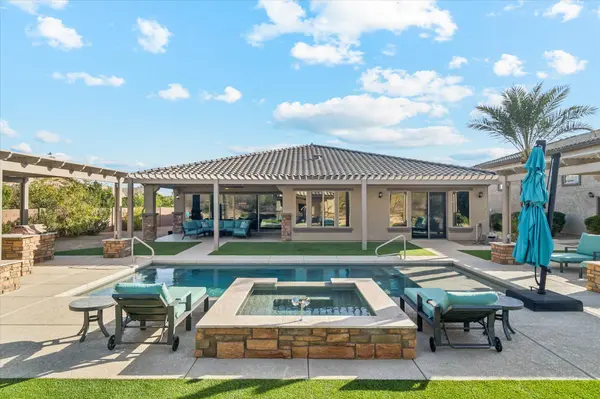
The backyard pool, funded by the savings from buying new construction.





The client win in one view
A retirement that kept moving further away
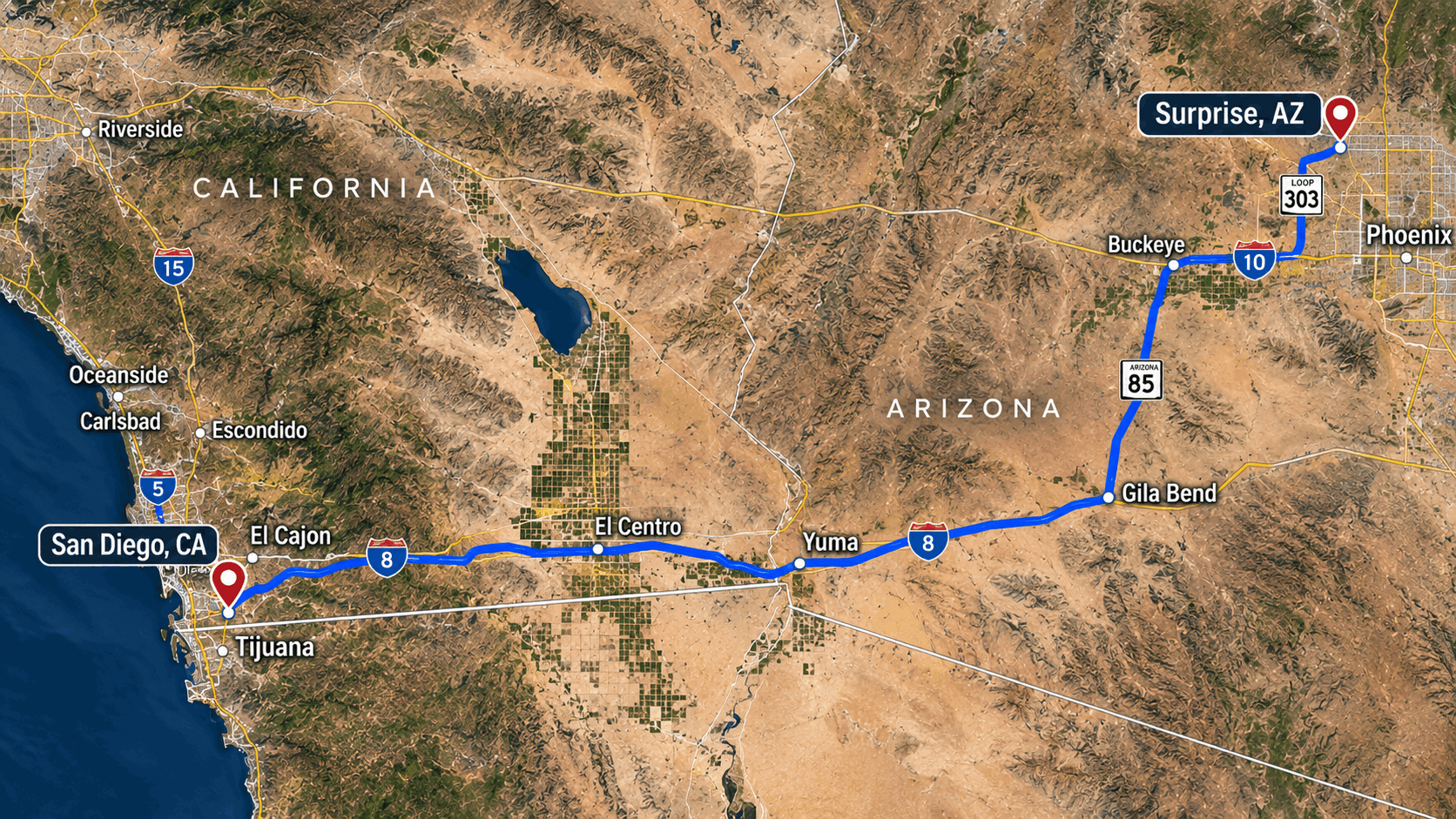
These clients wanted to retire early, but in San Diego the math didn't work. Housing costs, taxes and everyday expenses kept pushing their retirement date further out. Like many buyers moving from California to Arizona, they were ready for a change.
Their San Diego real estate agent, a trusted referral partner, recognized this wasn't just a home search. It was a financial planning question. Knowing my background in both financial planning and real estate, they introduced the clients to me so we could look at the whole picture, not just the next house.
West Valley
We built the retirement plan first, then found the house
Before touring a single home, we mapped out what their life would cost in Arizona, what income they could count on, and how much of their California equity needed to go to work for them. That's the heart of personal financial planning: the house has to serve the plan, not the other way around.
Sell in San Diego
Their California home sold for over $1 million, unlocking years of built-up equity that was doing nothing for their monthly cash flow. Here's how to sell before you buy.
Buy in Surprise with cash
A $349,990 new-construction home meant no mortgage, no rent and a much lower cost of living.
Put the difference to work
The proceeds left after the purchase went into their trust, invested targeting a 5% annual return to produce steady income.
From a $1 million sale to $7,354 a month
The sale left roughly $590,000 to invest after buying their new home outright, enough to generate about $2,458 a month before Social Security and 401(k) income. Here's how the numbers break down, using a $1,000,000 sale as the example:
Where the equity went
Illustration based on a $1,000,000 sale with no remaining mortgage
That trust income is only one layer. Adding estimated Social Security and a planned 401(k) draw on a $650,000 balance, here's their monthly income:
Monthly retirement income
About $88,250 a year, with no house payment. Segments are drawn to scale. Social Security is based on the Social Security Administration's 2026 average for a retired couple; actual benefits depend on earnings history and claiming age.
On the expense side, their biggest bill disappeared. They have no mortgage payment, and the HOA is $108 a month. Because they live on the investment earnings rather than spending down the principal, the roughly $590,000 stays intact as a cushion for emergencies, healthcare and the family they leave it to. For more on planning this stage of life, see my guide to retiring or snowbirding in the Phoenix Metro.
A note on the sale: married couples can generally exclude up to $500,000 of gain on the sale of a primary residence. Gains above that are taxable, so we factor that into the plan with the client's CPA. Investment returns are not guaranteed.
$88,250 a year in income. $0 in federal income tax.
Structured correctly, this couple can receive about $88,250 a year in retirement income and owe $0 in federal income tax. It starts with the deductions available to married retirees in 2026:
Large deductions
A married couple filing jointly, both 65 or older, can deduct $47,500 in 2026 before any income is taxed.
Partly taxable Social Security
At this income level, about $27,250 of their $38,500 in annual benefits counts as taxable income.
The 0% bracket
The trust is invested for qualified dividends and long-term gains, taxed at 0% for joint filers with taxable income up to $98,900.
The deductions fully cover the 401(k) withdrawals and the taxable part of Social Security. The trust income then falls entirely in the 0% bracket. The rest of the 401(k) keeps growing until required minimum distributions begin in their 70s.
The Arizona bonus. Arizona has a flat 2.5% income tax and doesn't tax Social Security, so their state tax bill is small. In California, the same income would face higher state rates.
*Assumes a married couple, both 65 or older, filing jointly, with no other income, using 2026 federal tax rules. Assumes a revocable living trust, so income is taxed on the couple's personal return; irrevocable trusts are taxed differently. Tax laws change and every situation is different, so confirm with a CPA or tax professional.
A quick move-in home, 12% below builder list
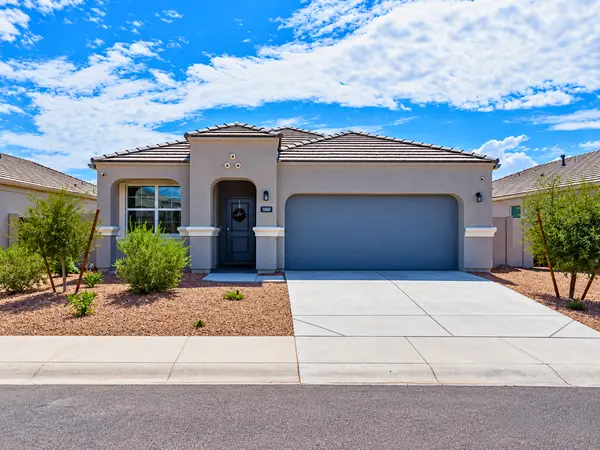
We targeted a quick move-in spec home in Frontera, one of the new construction communities in Surprise. In early 2025, many buyers passed on areas like this because of active construction and the distance from established shopping and dining.
That hesitation was the opportunity. The home had been sitting, and the builder had already cut the price from $395,525 to $374,890. With cash buyers ready to close quickly, we negotiated it down to $349,990, about 12% ($45,535) below the original builder list.
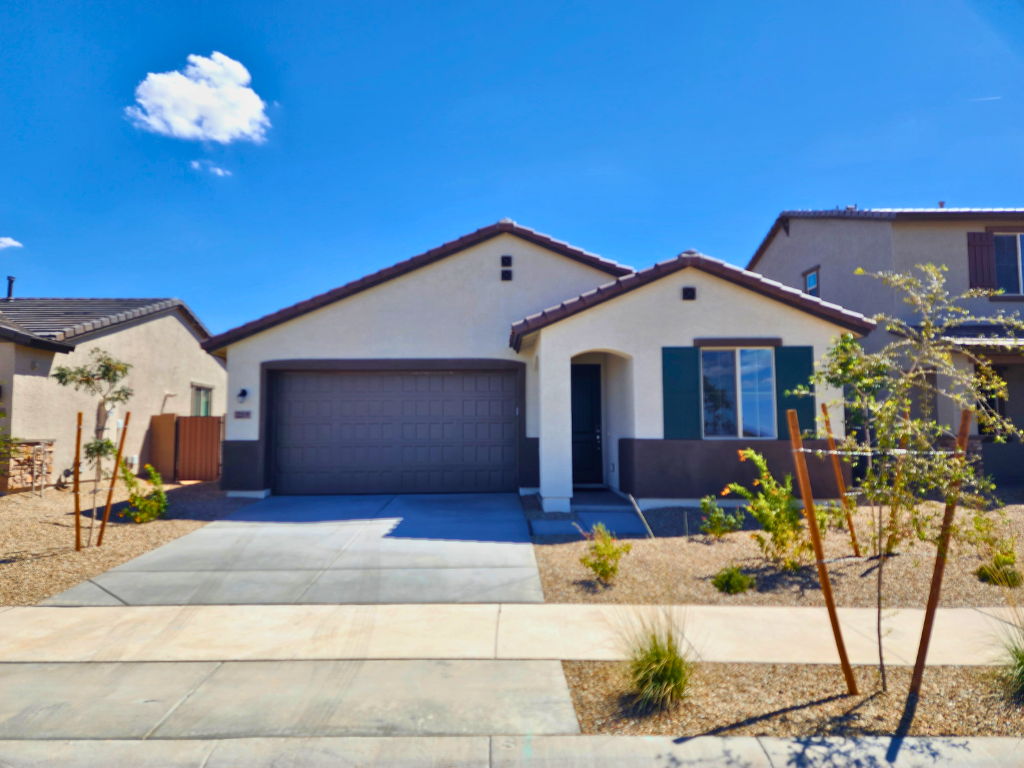
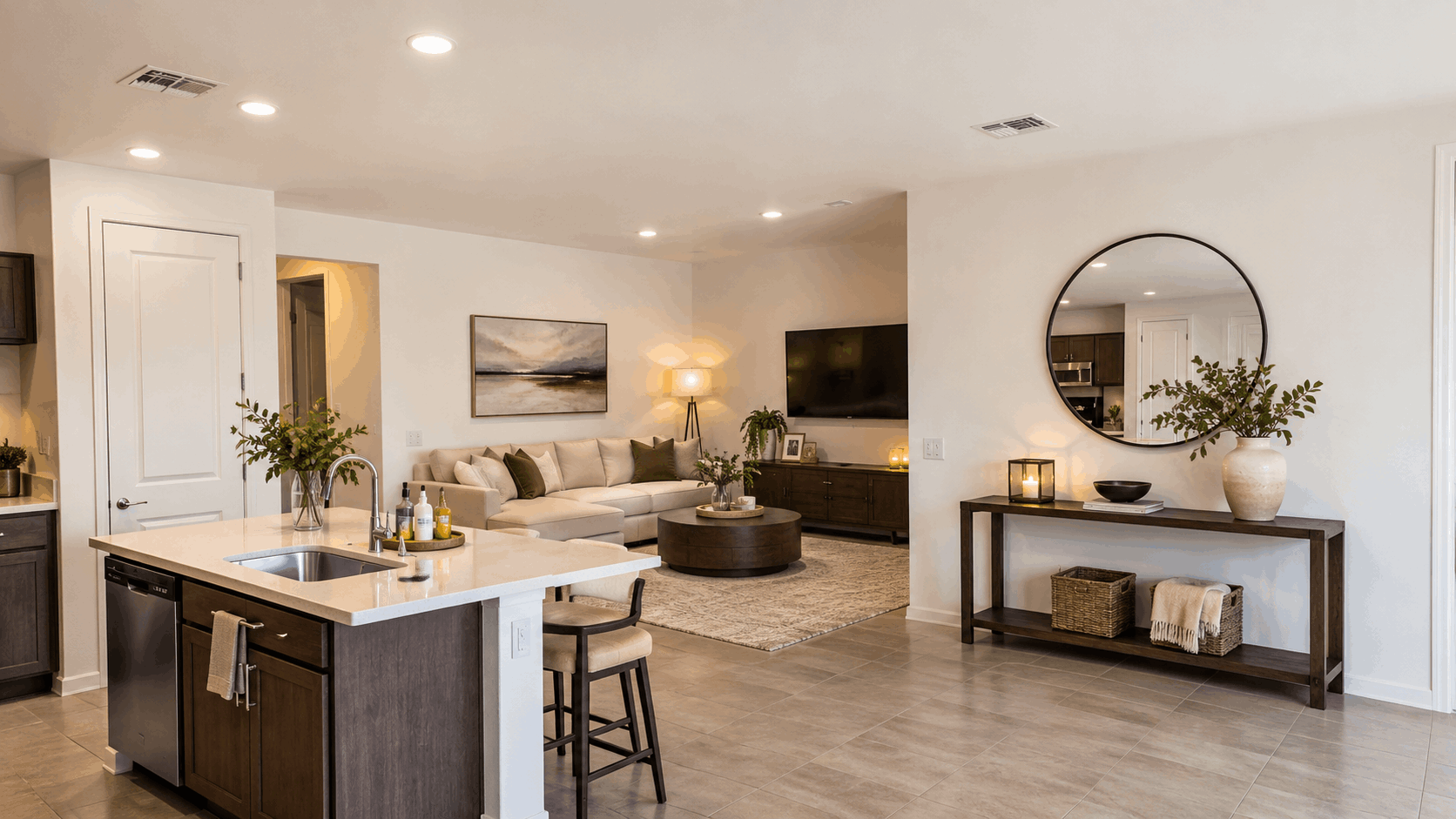
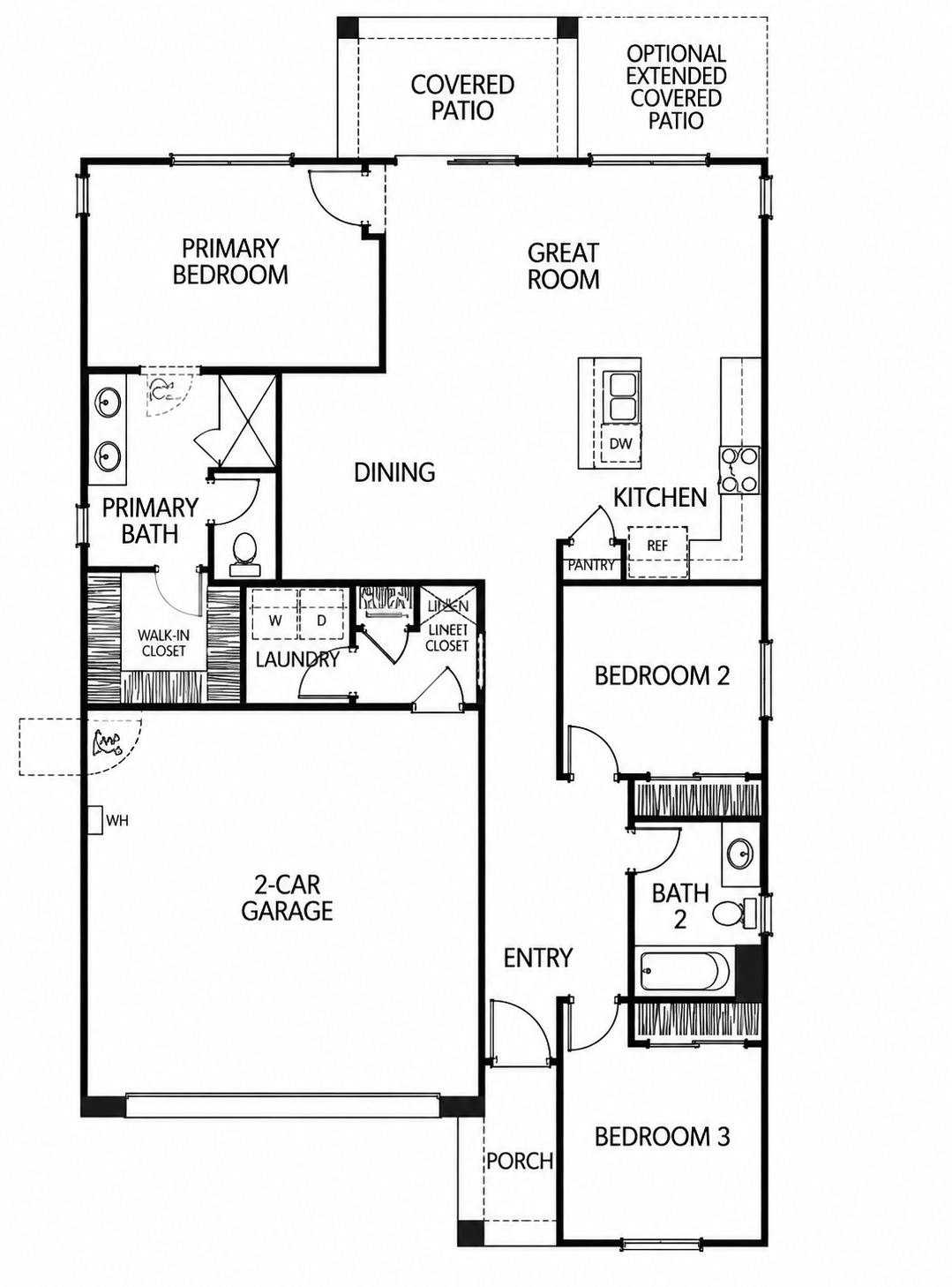
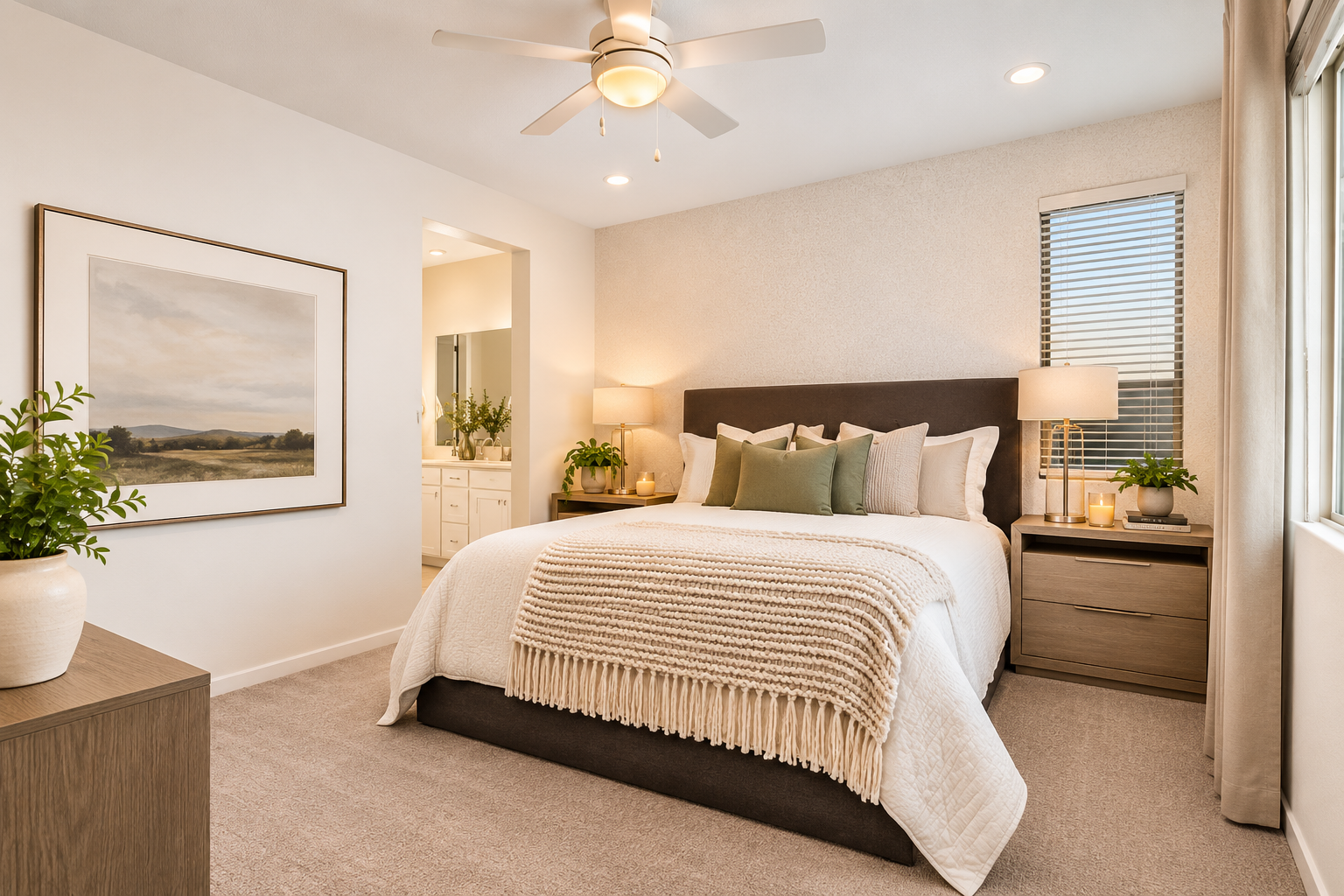
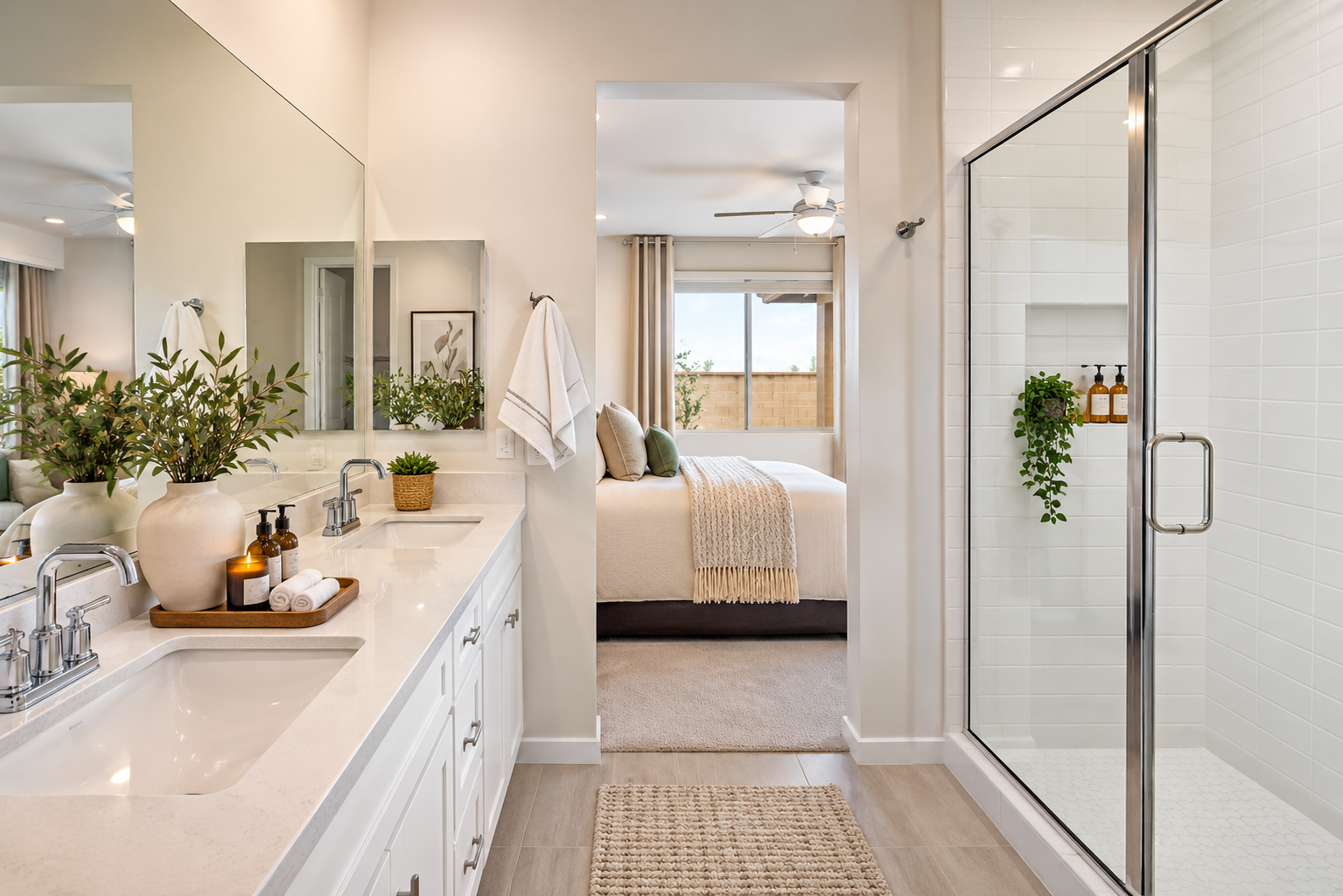
The clients got a brand-new, energy-efficient, single-level home with an upgraded kitchen, quartz counters and mountain views, with no remodeling and no repairs ahead of them.
Predictable costs for a fixed income
For retirees living on a fixed income, a new home means predictable costs. For the full picture, see my new construction buyer's guide and new construction homes in Phoenix for 2026. Here's what buying new gave these clients:
Few surprise repairs
A new roof, HVAC system, water heater, plumbing and appliances mean no big-ticket replacements for years.
Builder warranty
Commonly 1 year on workmanship, 2 years on systems and 10 years on structure. Terms vary, so we review them before signing.
Energy efficiency
Energy Star equipment, low-E dual-pane windows and solar screens matter during Arizona summers.
Built for this stage of life
A single-level, open floor plan with no stairs is easier to live in for the long haul.
Move-in ready
No remodeling, no deferred maintenance and no bidding wars against other buyers.
Builder incentives
This home was advertised with up to $23,731 in seller incentives before we negotiated.
How I represent new construction buyers
The builder's sales team works for the builder. My job is to make sure my clients have someone working for them. Here's how I handle every new-construction purchase:
Start with the plan, not the model home
We set the budget and income goals first, so a beautiful model doesn't pull anyone off course.
Be there from the first visit
Most builders require your agent to register with you on your first visit, so call me before you tour.
Research what builders don't advertise
Days on market, price changes and what competing builders nearby are offering.
Review the builder's contract
Written by the builder's attorneys. We go through deposits, timelines and what's included.
Inspect anyway
An independent inspection before closing and again before the first-year warranty ends.
In most cases, it doesn't cost you more: builders typically pay the buyer's agent, and their pricing is the same whether you're represented or not. Learn more in my buyer resources.
How to negotiate with a builder
Builders negotiate differently than individual sellers. They protect their prices to keep neighborhood values up, but they have strong reasons to sell finished homes. These are the levers that work:
-
Target quick move-in and spec homesA finished, unsold home costs the builder money every month it sits. That's where the most flexibility is.
-
Watch the calendarBuilders have month-end, quarter-end and year-end sales goals. See my roundup of new construction deals at the end of 2026.
-
Know price versus incentivesBuilders often prefer credits, upgrades or rate buydowns. Cash buyers don't need a buydown, so we pushed for a lower price instead.
-
Lead with a strong offerCash, a quick close and a clean contract make it easy for a builder to say yes.
-
Ask for extrasLandscaping, window coverings, appliances and design upgrades are all worth asking about.
-
Show you have optionsComparing homes across several builders gives you real leverage.
-
Get it in writingEvery price, credit and upgrade belongs in the purchase contract.
Retired years earlier, with room for a pool
- Retired years earlier than their San Diego plan allowed
- Owned their home outright, with no mortgage payment
- Bought new at a discount, about 12% below builder list
- Boosted their retirement savings with proceeds invested in their trust
- Lowered monthly expenses across housing, taxes and cost of living
- Added a backyard pool, funded by the new-construction savings
- Gained about $45,000 in equity in the first year
- $0 federal income tax on about $88,250 a year, structured correctly
Rick Summerfruit · 5-star Google review · October 6, 2025"We're from California didn't know anything about Phoenix area and Eric was very helpful with our home purchase I will recommend him to our daughter as soon as she's ready thank u Eric"
What felt far away isn't anymore
A little over a year after closing, shops, grocery stores, parks and more housing developments are planned for the area around Frontera. The clients are enjoying retirement by their new pool, and their home is now valued around $395,000, about $45,000 (roughly 13%) more than the $349,990 they paid.
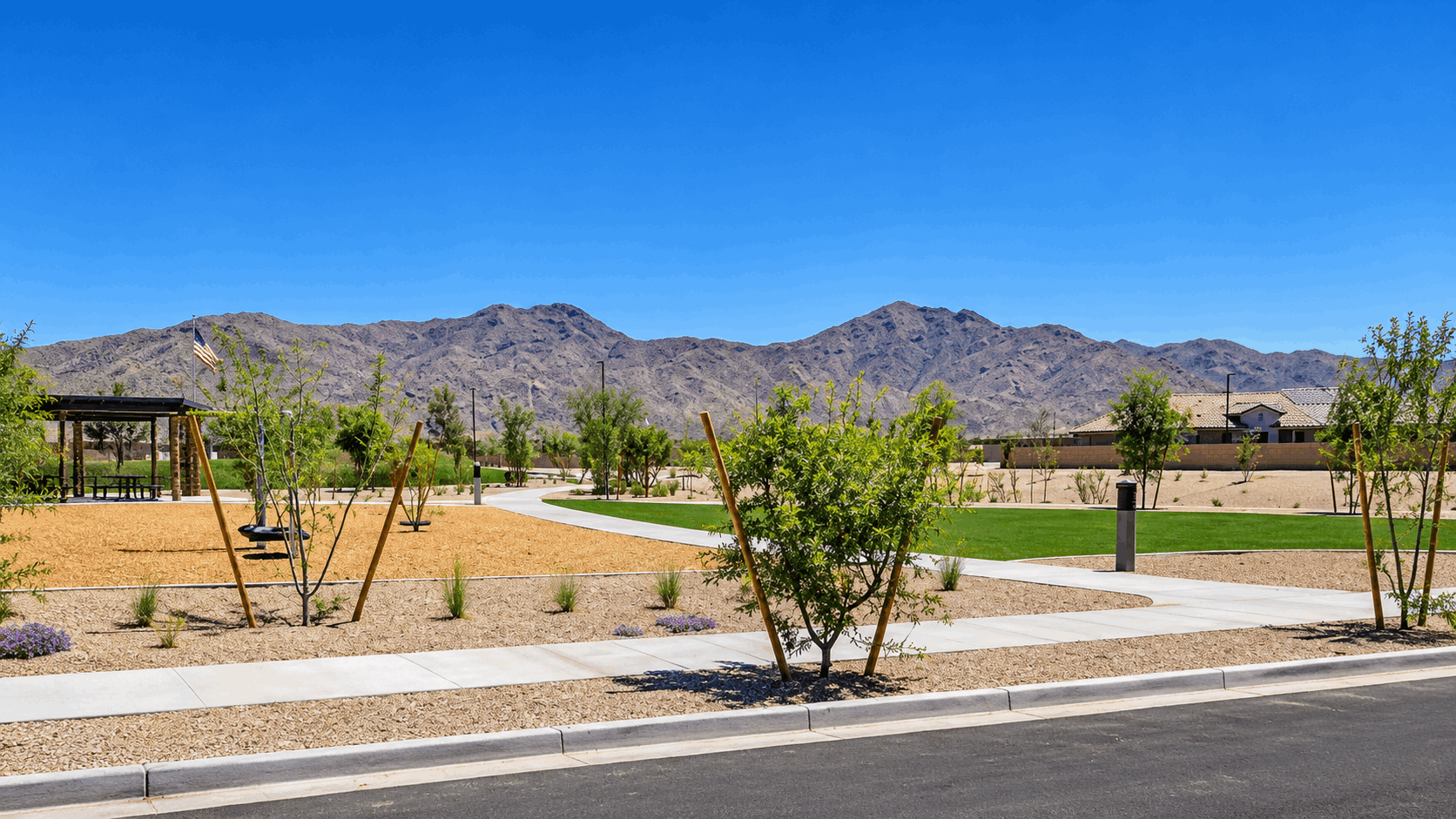
Buying early in a growing area, before the amenities arrive, can mean a better price going in and stronger appreciation coming out.
It's a good example of real estate as an asset class, not just a place to live.
Lessons for Californians planning to retire in Arizona
Plan the retirement before the house
Know your income, expenses and taxes first, then choose a home that fits the plan.
Your California equity can become income
Buying with cash and investing the difference can replace a mortgage payment with a monthly paycheck.
Structure matters as much as the numbers
The same $88,250 a year can owe tax or owe $0, depending on where the income comes from.
Quick move-in homes are where builders bend
A finished, unsold home gave us room to negotiate 12% off builder list.
Don't dismiss newer areas
What feels far away today can be surrounded by shops, parks and new neighborhoods a year later.
Bring your agent from the first visit
The builder's team works for the builder. You deserve someone working for you.
Questions about retiring to Arizona and buying new
Can a retired couple really pay $0 in federal income tax?
In some cases, yes. For 2026, a married couple filing jointly, both 65 or older, can deduct $47,500 before any tax applies. If that covers their ordinary income (such as 401(k) withdrawals and the taxable part of Social Security), and their remaining income is qualified dividends and long-term gains within the 0% bracket, federal income tax can be $0. It depends on how the income is structured, so plan it with a CPA.
Does Arizona tax Social Security?
No. Arizona doesn't tax Social Security benefits, and it has a flat 2.5% state income tax on other taxable income.
Can you negotiate the price on a new construction home?
Often, yes, especially on quick move-in and spec homes that are already built. Builders tend to prefer incentives like closing-cost credits or rate buydowns, but cash buyers can push for a lower price instead. In this case we negotiated about 12% below the original builder list.
What is a quick move-in home?
A quick move-in or spec home is a new home the builder starts without a buyer. It's finished or nearly finished, so you can close in weeks instead of waiting months for a build. Because each unsold home costs the builder money, these homes often have the most negotiating room.
Does using a real estate agent cost more on a new build?
In most cases, no. Builders typically pay the buyer's agent, and their pricing is the same whether you're represented or not. Most builders require your agent to register with you on your first visit, so bring your agent from the start.
Is it smart to buy in a new area that's still under construction?
It can be. Newer areas often have better pricing and more builder flexibility because fewer buyers want to live near active construction. As shopping, parks and other amenities arrive, values can rise. This home is valued about $45,000 above its purchase price a year later. Results vary, so look at what's actually planned nearby.
Have a question that isn't answered here? Book a free strategy call and we'll walk through your situation.
A preferred agent for leading financial institutions
Banks and lenders refer their clients to Eric for the strategy behind the purchase, not just the transaction.








More client wins & relocation guides
Thank you to our San Diego referral partner for trusting us with these clients. Client story and review shared with the clients' permission. The $1,000,000 sale, selling costs, 5% return, Social Security amount and 401(k) withdrawals are illustrations; actual figures vary. Investment returns are not guaranteed. Home value is an estimate. Tax figures use 2026 federal rules, assume a married couple 65 or older filing jointly with a revocable living trust and no other income, and are not tax advice; consult a CPA. Results vary by community, builder and market conditions, and past results do not guarantee future outcomes. Information deemed reliable but not guaranteed. Eric Ravenscroft, REALTOR®, Arizona license SA691304000. The Ravenscroft Group, brokered by Real Broker.
Categories
- All Blogs (332)
- Active Adult & 55 Plus Communities (17)
- Arizona Relocation Guides (34)
- Buyers (221)
- Financial Planning (65)
- General Real Estate (148)
- Income From Real Estate (63)
- Market Update (26)
- New Construction (30)
- News, Updates and Coming Soon (57)
- Real Estate Agent Financial Planning (23)
- Real Estate Investing (102)
- Sellers (107)
- Vacation and Short Term Rentals (46)
Recent Posts




About the Author
Eric Ravenscroft is a Top 1% REALTOR® across North America and one of Arizona’s most trusted real estate strategists. With 15 years of experience spanning real estate, wealth management, and investment planning, he helps clients make smarter, financially grounded decisions, from new construction and relocations to STR investments, 1031 exchanges, and long-term portfolio strategy.
Eric’s expertise has earned him industry recognition, Elite status with Real Broker, and features in major publications including the Wall Street Journal, MarketWatch, MSN, and Morningstar. Clients across the Greater Phoenix Metro rely on his clarity, strategic insight, and results-driven guidance.
Ready to make a confident real estate move? Call or text Eric today.