
One of Arizona's Top-Ranked STR Advisors · Phoenix Metro
Invest Smarter
in Phoenix &
Scottsdale STRs
The Ravenscroft Group helps investors acquire, optimize, and tax-position short-term rentals across the Phoenix Metro — backed by 15 years of financial planning expertise and fully underwritten, published case studies.
Case Studies
Real clients. Real acquisitions.
Full underwriting published for every deal.

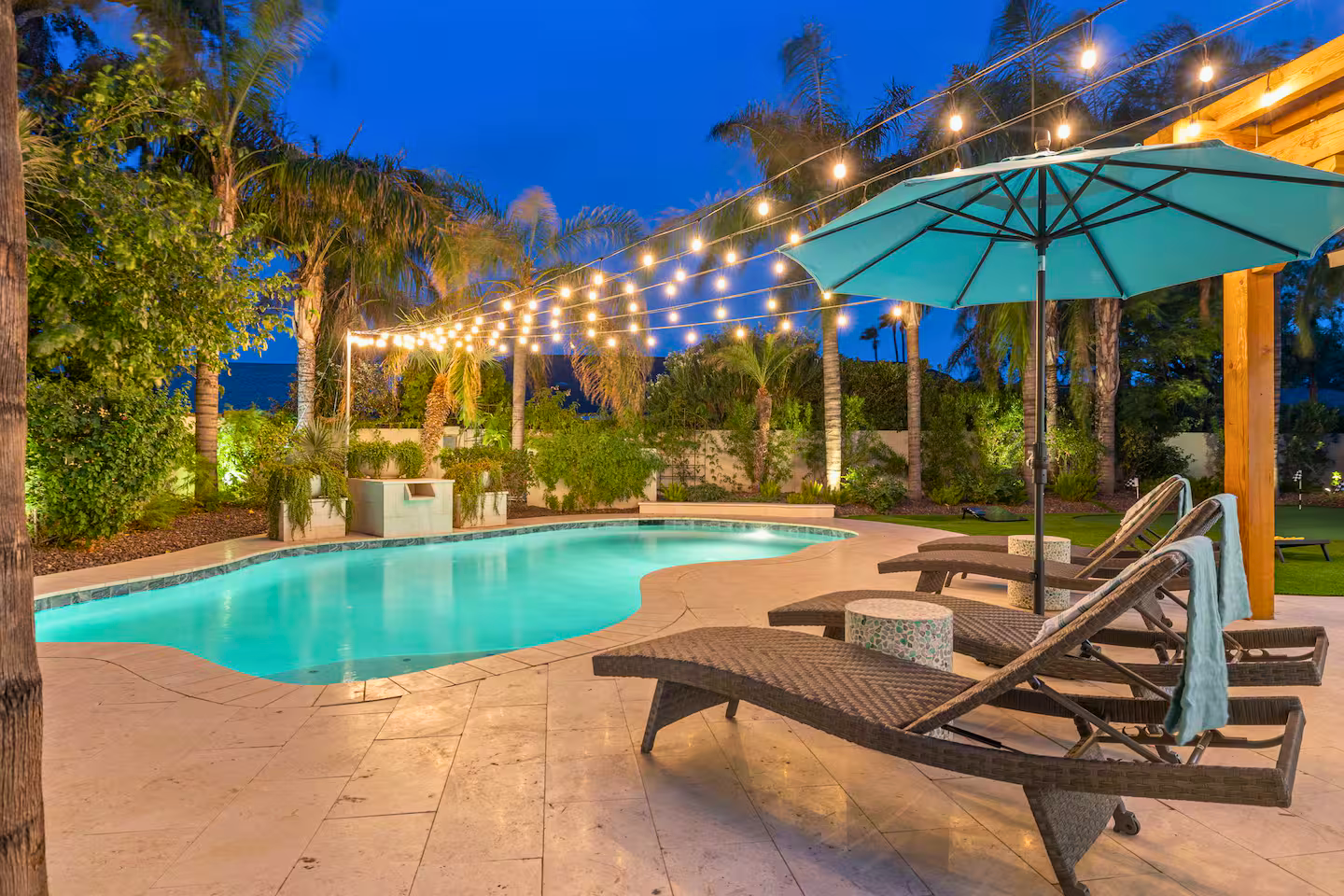
Projected annual revenue — an overlooked 4-bed on a 15,682 SF lot, rebuilt around pickleball, a putting green, hot tub and a garage game room. Booked into May 2027 within two months of launch.
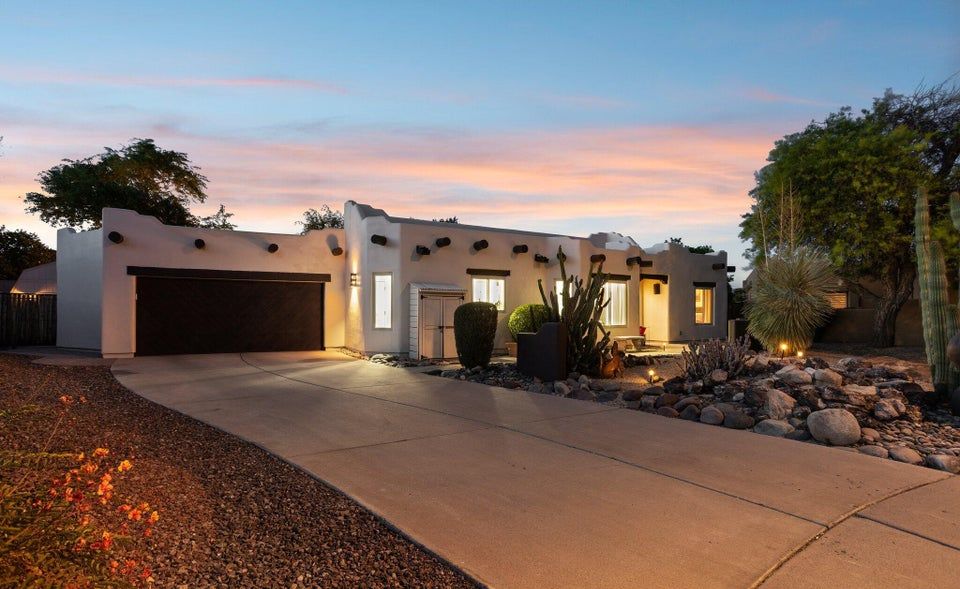
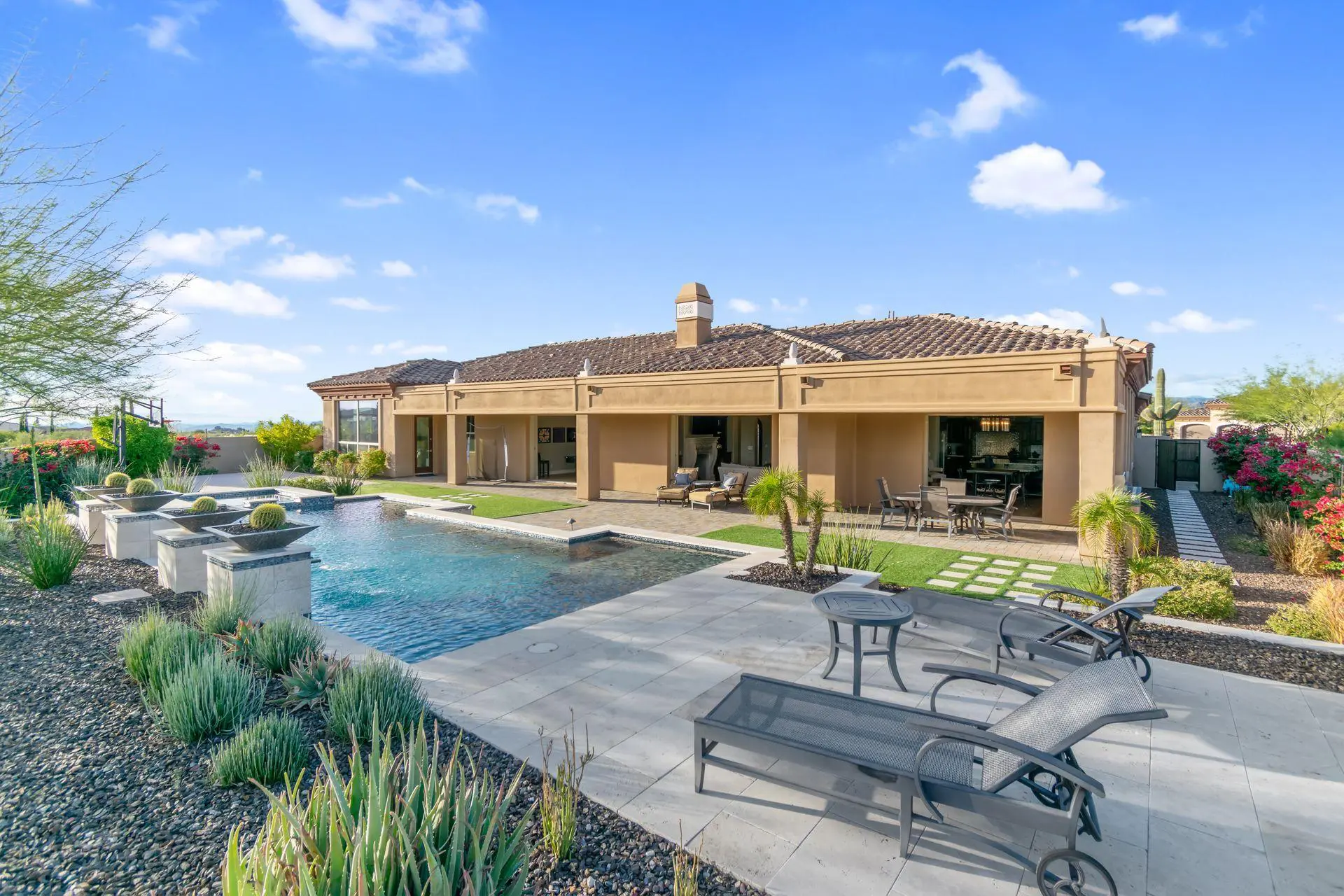
Projected annual revenue — fully renovated, turnkey 4-bed pool home bought $65K under ask after two buyers walked. Existing Airbnb listing and reviews transferred at close.
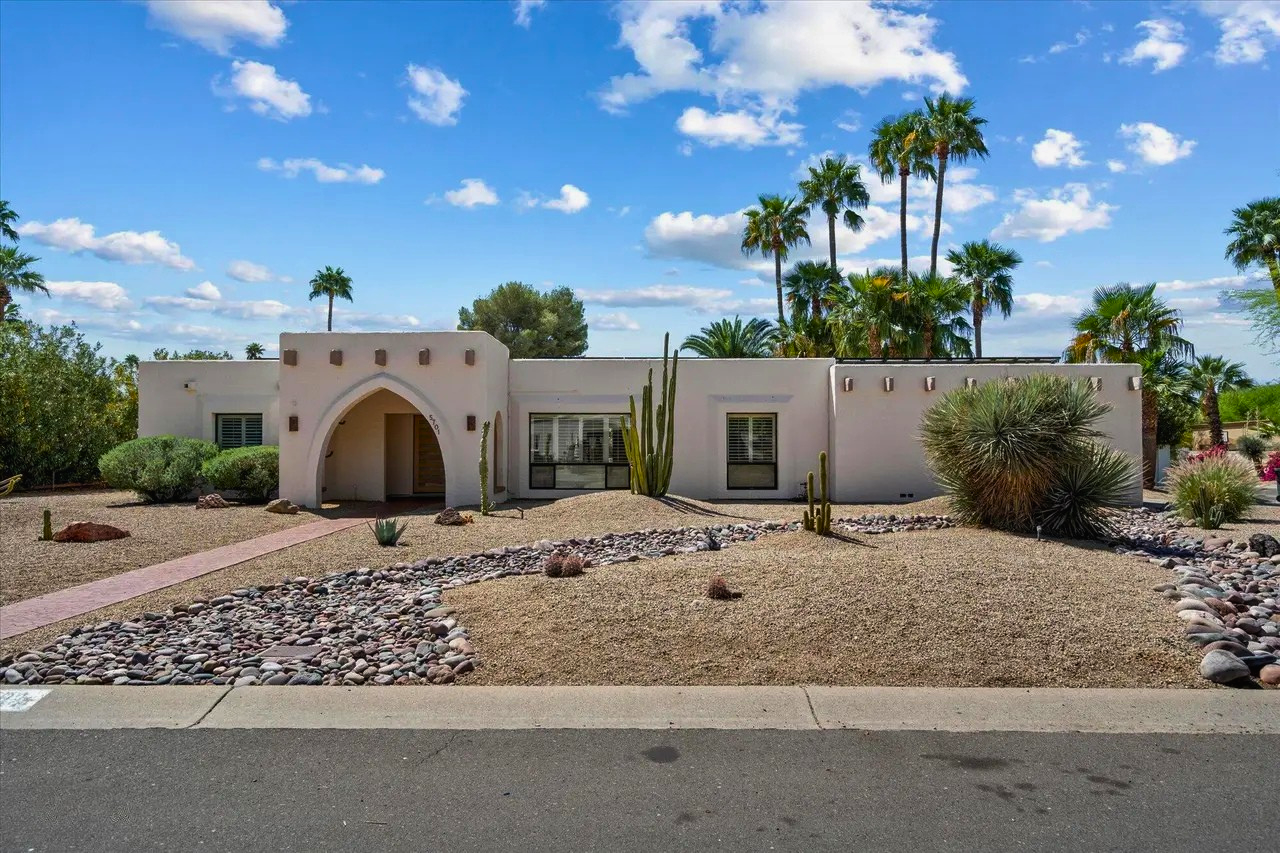
Projected annual revenue — an owner-occupied home converted from 4 to 5 beds, with a seller-paid roof, pool, HVAC and water heater, plus furniture included in the sale.
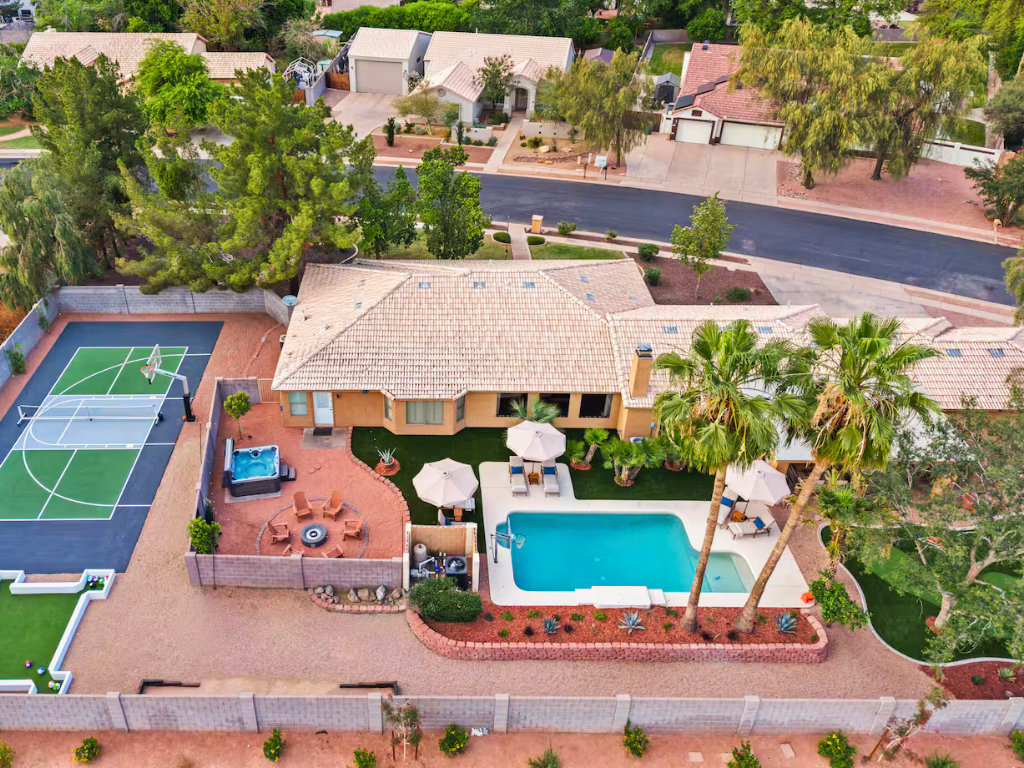
Projected annual revenue — a vacant 5-bed on an oversized lot, transformed with a pool, spa, sport court, putting green and two game rooms. Sleeps 16.

Annual gross revenue — 5-bed with basement & casita, top 1% Airbnb ranking in its market
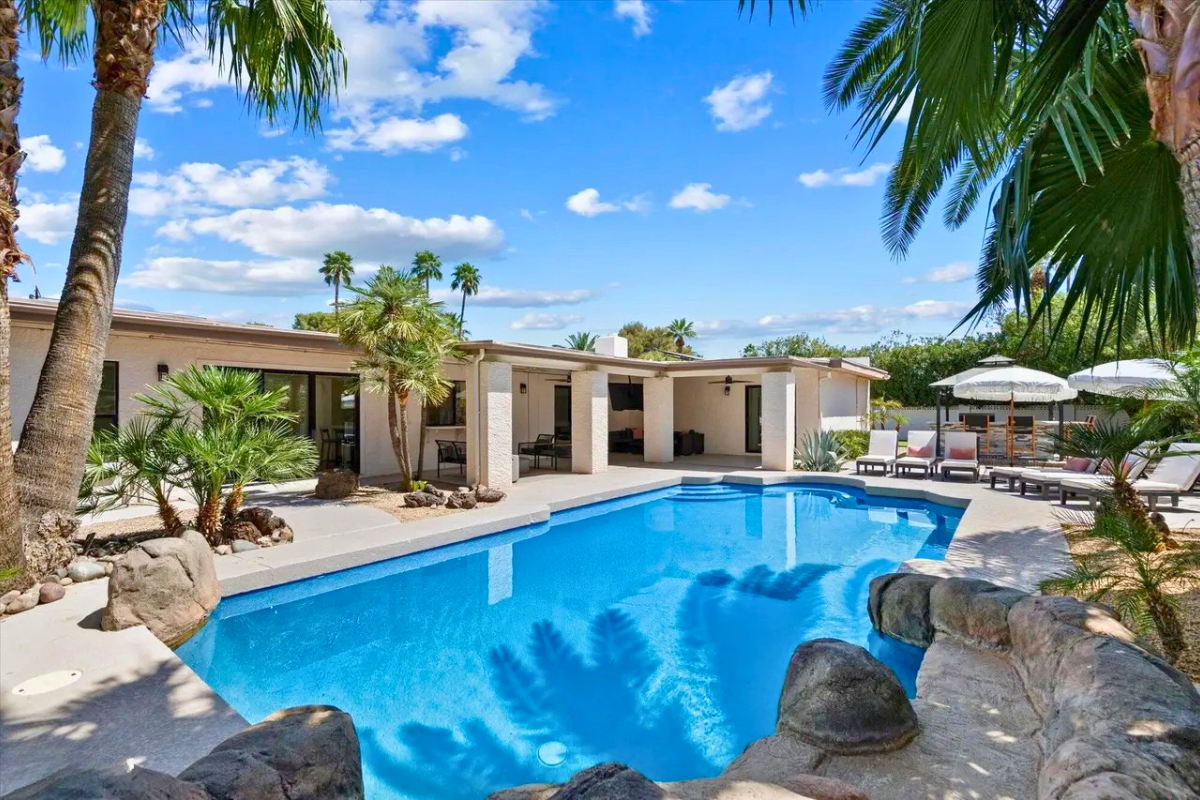
Peak year gross — luxury 5-bed resort pool, turn-key & fully furnished at acquisition
Send Eric any Phoenix Metro address. You'll get back whether STRs are allowed by the HOA and city, a projected revenue range, the key amenity gaps and an estimate of year-one depreciation — before you write an offer.
Figures marked "Projected" come from the underwriting model prepared before acquisition and are not guarantees of future performance. Bonus depreciation figures depend on a cost segregation study, material participation and each owner's tax situation — consult a CPA.

Not Just an Agent —
A Financial Strategist
Before entering real estate, Eric spent over 15 years in financial planning — building the analytical foundation that separates The Ravenscroft Group from every other agent in the Phoenix Metro. Most agents know what properties are available. Eric knows which ones make financial sense.
What that means in practice: every potential acquisition is underwritten across income projections, financing structure, tax positioning (bonus depreciation, cost segregation, REPS), and long-term equity strategy — before you ever write an offer. It's the kind of analysis that normally requires hiring a CPA, a financial planner, and a real estate agent separately.
Eric holds the Certified Residential Specialist (CRS) designation and carries Elite status with Real Broker. He ranks in the Top 1% of REALTORS® across North America and was named among the Top 100 Real Estate Professionals in the Greater Phoenix Metro, and ranks #2 in Arizona and #22 in the U.S. among Real Broker agents (Q3 2026). His clients have left 175+ five-star Google reviews. His research and investment guides have been featured in the Wall Street Journal, MarketWatch, MSN, and Morningstar. His published case studies — Scottsdale 85254 ($182.8K projected revenue, booked into May 2027 within two months of launch), Phoenix's E Kings Ave ($252K in year-one bonus depreciation), Mesa's Solterra Haus ($146.7K projected, sleeps 16), a second Scottsdale 85254 acquisition ($209K bonus depreciation), a turn-key Scottsdale 85254 STR ($142K peak-year gross), and Palm Valley in Goodyear ($100K+ annual revenue, top 1% Airbnb ranking in its market) — are referenced by investors, CPAs, and financial advisors across the country. Eric is licensed in Arizona (SA691304000) and a former Director of Wealth Management who oversaw hundreds of millions in client assets before transitioning to real estate.
Eric serves investors from out of state and locally across Scottsdale, Gilbert, Goodyear, Phoenix, Glendale, Peoria, Chandler, Cave Creek, Litchfield Park, Tempe, Mesa, and Buckeye.
Areas of Expertise
What Investors
Say About Working With Eric
Excerpts from verified Google reviews, shared with permission. Names shortened to first name and last initial.
Start Your Own Strategy Conversation →A Different
Kind of
STR Advisor
Nearly every Phoenix agent claims to be "investor-focused." Very few can underwrite a deal across income projections, rental restrictions, and tax positioning simultaneously — before you're under contract.
Start with a Strategy CallFinancial Planning Meets Real Estate
15 years of financial planning experience means Eric underwrites STR acquisitions across income projections, cash-on-cash return, financing structures, and tax positioning — not just price per square foot. Most agents can't do this. Eric does it on every deal before you write an offer.
STR Rental-Restriction Intelligence
Finding properties that actually permit short-term rentals is increasingly difficult. Eric actively tracks neighborhoods, HOAs, and municipalities across the Phoenix Metro — saving you from the catastrophic mistake of buying in a community that bans STRs.
Revenue Projections Before You Commit
Every potential acquisition includes a detailed income estimate — occupancy ranges, average daily rate, seasonal demand curve, and net yield modeling. You make offers with data, not hope. Complimentary evaluations available on any property you're considering.
Tax Strategy at Acquisition — Not After
Bonus depreciation, cost segregation, REPS, and 1031 pathways are discussed before closing — when the structure still matters. For high-income W-2 earners, this approach can generate six-figure tax advantages in year one.
Platform Partnerships & Off-Market Access
Partnerships with Airbnb, VRBO, Awning, and AvantStay provide exclusive off-market opportunities and professional management capable of generating up to 20% more revenue than standard self-management.
Why Arizona STRs
Consistently Outperform
Arizona is one of the country's most popular winter destinations for snowbirds. Unlike beach or ski markets, the Phoenix Metro runs year-round — 12 months of layered demand from events, business travel, and seasonal visitors that most markets simply can't match.
Best Markets to Buy
Each sub-market has a distinct investor profile, restriction landscape, and return structure. Knowing which fits your strategy is the first decision.
Scottsdale
Luxury travel, $628 ADR, world-class events.
Gilbert
Strong yields below Scottsdale pricing, family & sports demand.
Goodyear
$100K+ verified, Spring Training anchor.
Peoria
MLB Spring Training, stadium-adjacent spikes.
Tempe & Mesa
Highest occupancy metro-wide, accessible entry.




Chandler
Corporate travel, Intel campus, strong mid-week occupancy. Litchfield Park also covered.
Cave Creek
Boutique Western tourism, outdoor recreation, unique character-driven properties.
Paradise Valley
Highest ADR in the metro, ultra-luxury, limited inventory. Best for $1M+ acquisitions.
Buckeye
Emerging west valley, new construction, rising Airbnb demand as infrastructure expands.
A Sample of Properties Eric Has Acquired & Optimized
A few examples from Eric's client acquisitions across the Phoenix Metro — each underwritten, structured, and launched with The Ravenscroft Group.








STR vs. Long-Term
Rental: The Numbers
Short-term rentals consistently deliver 2–4x the income of a comparable long-term rental in the Phoenix Metro — when the right property is acquired in the right sub-market and managed correctly. Here's what that looks like in practice.
Based on verified case study data and metro-wide market averages. Individual results vary based on property type, location, amenities, management quality, and market conditions. Not a guarantee of returns.
Phoenix Metro — Monthly Demand Index
Estimated Revenue Ranges
Pre-calculated estimates by market and bedroom count — based on verified Phoenix Metro data. For a detailed projection on any specific property, request a free evaluation.
Phoenix Metro STR Market Data
& Research Tools
The Phoenix Metro also supports a strong mid-term rental (MTR) market — corporate housing, military relocation, and traveling healthcare professionals — which can be layered into an STR strategy to fill shoulder-season gaps without sacrificing peak-season upside.
Eric uses institutional-grade data tools to underwrite every acquisition. Here's the market intelligence stack and current benchmarks Eric uses to evaluate any new opportunity.
AirDNA
Market-level STR data: RevPAR, occupancy rates, ADR by bedroom count, seasonality curves, and new supply tracking across every Phoenix Metro sub-market. Eric uses AirDNA to validate every revenue projection before a client makes an offer.
Rabbu
Property-level STR performance estimates with comparable listing analysis. Particularly useful for establishing realistic ADR floors and identifying how a specific property would perform relative to active competitors in its zip code.
PriceLabs
Dynamic pricing engine used across Eric's managed portfolio. Sets base rates, minimum price floors, gap-fill discounts, far-future premiums, and event-driven rate spikes calibrated to the Phoenix Metro demand calendar. Average clients see 15–25% revenue uplift vs. flat pricing.
Wheelhouse
Alternative dynamic pricing platform with a strong track record in the Scottsdale and Gilbert markets. Eric evaluates both PriceLabs and Wheelhouse for each client based on their property type and target guest profile.
Hospitable (formerly Smartbnb)
Automated guest messaging, review management, and multi-channel listing sync. A core part of the operational system Eric installs for every new STR — reducing owner time investment while maintaining the response rates that drive Airbnb ranking.
2025–2026 Phoenix Metro
STR Market Benchmarks
Reviewed November 2026 · Sources: AirDNA comps and Ravenscroft Group client data
Want a current market report for a specific sub-market or property type? Eric provides complimentary market data reports for qualified buyers.
Request a Market Report →The Bonus
Depreciation Advantage
When a property's average guest stay is 7 days or fewer, the IRS doesn't treat it as a "rental activity" under the passive-loss rules. If the owner also materially participates, losses — including accelerated depreciation from a cost segregation study — can be non-passive and offset W-2 and other ordinary income. That combination can generate six-figure paper losses in year one.
In Eric's published client acquisitions, cost segregation has modeled more than $200,000 in year-one bonus depreciation per property — including $319,200 on a Scottsdale 85254 conversion.
Eric's 15-year financial planning background means this conversation happens at acquisition — not after closing when it's too late to structure correctly.
OBBBA · July 4, 2025
One Big Beautiful Bill Act permanently reinstated 100% bonus depreciation. Previously scheduled to phase to 20% in 2026 under the TCJA schedule — now restored at 100% indefinitely for qualifying property acquired and placed in service after January 19, 2025.
Arizona note: Arizona does not conform to federal bonus depreciation under IRC §168(k). The 2026 state conformity law kept that exception, so bonus depreciation claimed federally is added back on your Arizona return and recovered through regular depreciation over time. The year-one benefit is primarily federal — model both returns with your CPA.
Worked Example · E Kings Ave, Phoenix
Illustration only. Actual savings depend on your bracket, participation hours, other income and the cost segregation study. Not tax advice.
Go deeper: STR tax break for W-2 earners · The STR tax loophole in 2026 · Bonus depreciation in 2027 · 2026 tax strategy scenarios · Real estate tax savings guide
Educational information only — not tax advice. Always work with a qualified CPA familiar with STR strategy. Bonus depreciation figures reflect federal law under the One Big Beautiful Bill Act; Arizona requires a state addback.
100% Bonus Depreciation
Cost segregation reclassifies components to 5-, 7- and 15-year schedules, and 100% bonus depreciation lets those components be deducted in year one for qualifying STRs.
Real Estate Professional Status (REPS)
A separate path — not required for the STR strategy. REPS takes 750+ hours and more than half of your working time in real estate, which is rarely achievable with a full-time W-2 job but can fit a non-W-2 spouse. It lets long-term rental losses offset ordinary income too.
Cost Segregation Studies
A professional study can unlock $150K–$300K+ in depreciation on the right property — making the tax case as compelling as the income case.
1031 Exchange Path
Appreciated STRs can be exchanged tax-deferred into larger assets, compounding equity and deferring capital gains.
RMD Offset Strategy
Cost segregation can offset Required Minimum Distribution income for retirees — a powerful, underutilized strategy. Read the RMD guide →
The IRS 7-Day Rule
An average guest stay of 7 days or fewer keeps the property out of the passive "rental activity" rules. Combined with material participation, it's the hinge for using STR losses against W-2 income.
Arizona STR Laws & Regulations
One of the most expensive mistakes an STR investor can make is buying in the wrong community. Arizona is one of the most STR-friendly states in the country — but the rules are layered: state law, city licensing, taxes and private HOA covenants all apply.
Last reviewed: November 2026
State Preemption Law (2016)
A.R.S. § 9-500.39 prevents cities and towns from banning short-term rentals outright. It remains the foundation of Arizona's investor-friendly STR market — and a key reason the Phoenix Metro hasn't seen the bans that hit other major cities.
Investor Friendly2022 Enforcement Law
Cities can now require an STR license or permit, an emergency contact, neighbor notification and liability insurance — and can suspend a license after repeat verified violations within 12 months. Compliance isn't optional; operating well is what protects the asset.
Operate CleanHOA Restrictions — The Real Risk
State preemption applies to cities, not private HOAs. Many Phoenix Metro communities have CC&Rs that prohibit or limit short-term rentals or set minimum stays. Eric reviews the governing documents for every candidate property — never assuming a community allows STRs.
Know Before You BuyCity Licenses & Jurisdiction
Phoenix, Scottsdale and most metro cities run their own STR licensing programs. Mailing addresses can mislead — much of Scottsdale's 85254 ZIP code sits inside City of Phoenix limits. Eric confirms which city's license applies before you write an offer.
Eric Handles ThisTransaction Privilege Tax (TPT)
Stays under 30 days are transient lodging and subject to Arizona TPT plus city lodging taxes. Airbnb and VRBO remit some taxes automatically, but owners still need a TPT license and must confirm which taxes the platforms do — and don't — collect.
Required2026 Legislative Watch
Cities pushed again in 2026 for authority to cap license counts and set distance requirements (SB 1076) and to expand local enforcement (HB 2429). Neither became law before the session adjourned in June 2026, so the 2016 framework stands. Eric tracks every session and alerts clients when a change could affect their property.
MonitoredCity STR Licensing at a Glance
| City | License Fee | Term / Renewal | Worth Knowing |
|---|---|---|---|
| Phoenix | $250 per permit | $250 renewal | Certified-mail notice to adjacent neighbors and to HOAs within 600 ft; permit number on every listing |
| Scottsdale | $250 | 1 year from issue | Neighbor notice within 30 days; guest sex-offender check before each stay unless the platform does it |
| Mesa | $250 | Annual — renew 45+ days before expiration | Miss the renewal window and you must reapply as new; $500K liability proof at renewal |
| Goodyear | $250 | Calendar year — expires Dec 31 | Emergency contact must respond within 1 hour |
Statewide, cities that license STRs can require a TPT license, Maricopa County Assessor rental registration, a 24-hour emergency contact and $500K liability insurance (or equivalent platform coverage). Fees as of November 2026 — confirm with each city before applying.
Does Your Property
Qualify as a High-Performing STR?
Not every property makes a great short-term rental. These are the criteria Eric uses to screen every potential acquisition — the same factors that separate a $40K/year STR from a $120K+ one.
Get Your Property Evaluated Free →Free STR Qualification CheckSend us any property address in the Phoenix Metro and Eric will tell you: whether STRs are allowed, his estimated revenue range, the key amenity gaps, and whether the tax structure makes it worth pursuing.

Which Amenities Actually Pay Off?
Eric modeled the four most-requested upgrades on a 4-bedroom Scottsdale home. The lesson: the amenity that adds the most revenue isn't always the one that earns the best return — judge every upgrade on the net income it adds, not the gross.
Heated Pool (New Build)
Adds the most dollars of any upgrade — and for family and group homes it's required to compete November through April.
Hot Tub
Often the best return per dollar when a home has no spa. Adds almost nothing if a heated pool and spa already exist.
Garage Game Room
Works year-round and earns its keep in summer, when guests want air-conditioned entertainment.
Pickleball Court
Can set a luxury home apart, but rarely pays on a small lot. Noise, HOA rules and lot size usually decide it.
Revenue isn't profit.Rank upgrades by added net operating income after maintenance, utilities and insurance — not by the nightly-rate bump alone.
Premiums don't stack.Amenity effects overlap. A home with a heated pool gains far less from a hot tub than one without, so never add projected premiums together.
Buying beats building.A property that already has the right amenities at the right price usually outperforms one where you build them after closing.
Use the space you have.Garages, lofts and bonus rooms are the cheapest route to a game room — a $8,000 loft conversion modeled a 32.5% base-case return.
Upgrades in the Real World
Amenity gaps Eric has helped clients close — converting garages and dead space into the features guests search for and pay more for.

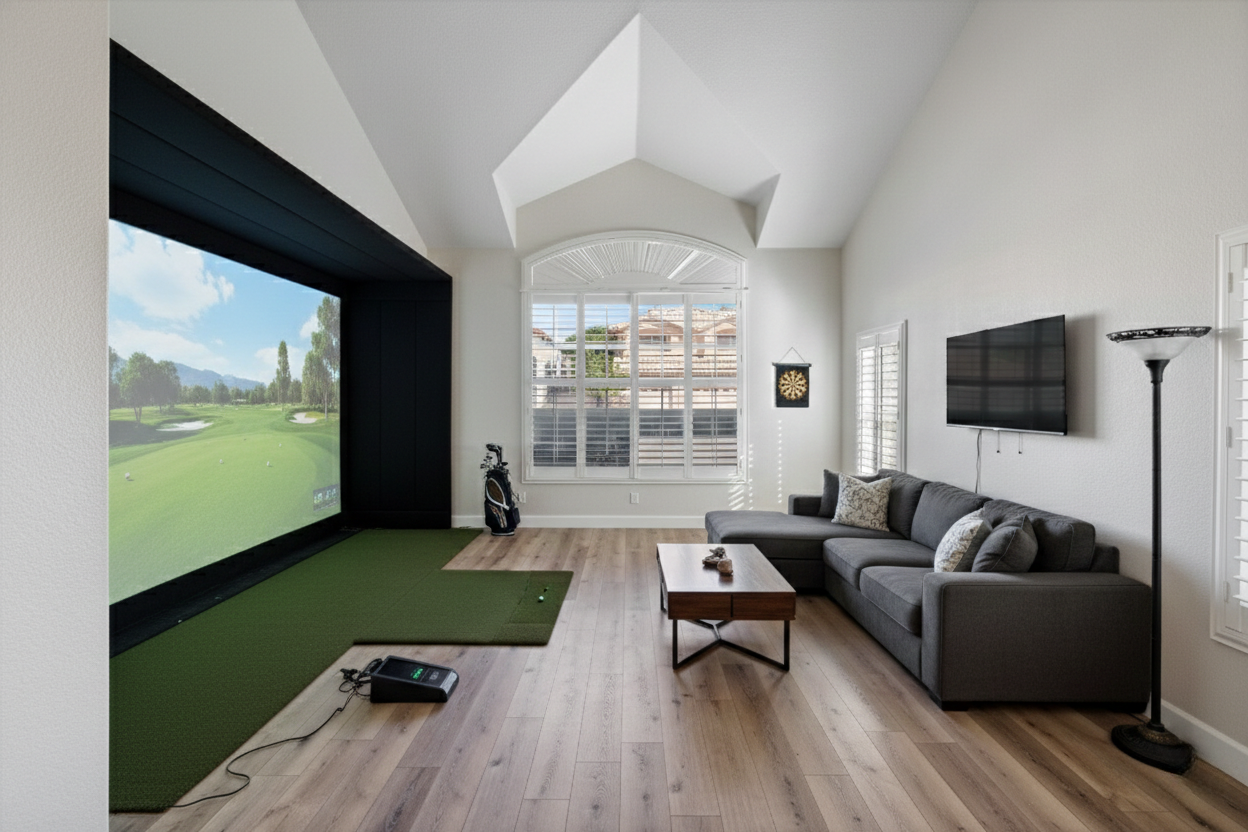


Hypothetical base-case model from Eric's November 13, 2026 analysis. ROI = added net operating income ÷ investment. Costs are planning estimates — verify with local contractors. Not a guarantee of results.
How to Finance
an Arizona STR Investment
Financing a short-term rental is different from financing a primary residence — and getting it wrong costs tens of thousands of dollars. Eric walks every client through the loan landscape before they start searching so they know exactly what they can acquire, at what terms, before they fall in love with a property.
Most STR investors use one of four loan structures. The right choice depends on your income documentation, how you plan to use the property, your credit profile, and whether the tax strategy requires a specific ownership structure.
Eric connects every client with STR-specialist lenders who understand how to underwrite a property based on its rental income potential — not just the borrower's W-2. This alone can qualify you for significantly more property than a conventional lender would approve.
Financing terms, availability, and qualification requirements vary. All figures are illustrative. Work with a licensed mortgage professional. Down payment requirements shown are minimums and subject to lender, property type, and borrower qualification.
Second Home / Vacation Home Loan
Second-home loans offer rates near primary-residence terms with as little as 10% down — but they're built for properties you genuinely use yourself. Most lenders restrict full-time rental programs and management agreements on second-home loans, and heavy personal use can also undermine the STR tax strategy. If the property will operate primarily as an STR, an investment or DSCR loan is usually the right structure — Eric's lender partners will tell you upfront which fits.
Personal-Use PropertiesConventional Investment Property Loan
Standard conventional loan for a non-owner-occupied investment property. Requires 20–25% down, and qualification is based on your personal income. A portion of projected rental income may be counted by the lender. Best for investors with strong W-2 income and clean credit who want a straightforward loan structure.
Most CommonDSCR Loan (Debt Service Coverage Ratio)
A DSCR loan qualifies you based on the property's projected rental income — not your personal income or W-2. Ideal for self-employed investors, high-net-worth individuals, or anyone building a portfolio beyond what W-2 income supports. Typically 20–30% down with slightly higher rates than conventional. One of the most powerful tools for scaling an STR portfolio quickly.
Best for Portfolio ScalingCash-Out Refinance / HELOC
Investors with equity in a primary residence or existing investment property can access that equity to fund the down payment on a new STR acquisition — without liquidating other assets. When combined with a DSCR loan on the new property, this strategy allows qualified investors to acquire with minimal out-of-pocket cash while retaining ROI on existing assets.
Equity Leverage StrategyHow Eric Takes You From Idea
to Income-Producing Asset
Strategy Call
Eric discusses your capital, goals, tax situation, risk tolerance, and timeline and tells you what's realistic — not what you want to hear.
Market + Criteria
Eric identifies the right sub-market and builds your specific acquisition criteria — bedroom count, amenities, price band, and HOA requirements.
Revenue Projection
Every candidate property gets a full revenue model: ADR, occupancy, seasonality, expenses, net yield, and tax benefit analysis.
Acquisition
Eric negotiates, structures, and closes your deal — coordinating your lender, title, CPA, and inspection team throughout.
Launch & Setup
Eric connects you with vetted property management partners and helps configure your listing for maximum visibility and conversion.
Ongoing Support
Eric stays engaged through your first season — monitoring performance, advising on pricing strategy, and planning your next acquisition.


Most investors Eric works with are out of state and have never owned a short-term rental before. Eric handles everything from market selection through your first booking — and stays accessible throughout.
Start the ConversationMore Than an Agent —
A Full STR Business Partner
Buying the right property is only the beginning. What separates a high-performing STR from a mediocre one — and what separates a tax-advantaged investment from a missed opportunity — is everything that happens next.
The Ravenscroft Group is one of the few real estate practices in Arizona that guides clients through all four phases: qualifying the property, structuring the tax position, building the operational business, and optimizing the listing to rank among the top performers in its market.
Not every property can legally operate as a short-term rental — and most agents don't know the difference. Eric has built one of the most comprehensive STR restriction databases in the Phoenix Metro, actively tracking what's allowed at the community level before you ever make an offer.
Bonus depreciation on a short-term rental only works if the IRS treats it as an active business — not passive rental income. That requires satisfying material participation requirements. Most investors don't know this. Most agents don't either. Eric guides clients through structuring it correctly from day one.
A high-performing STR is not a rental property — it is a hospitality business. From entity structure and licensing through furnishing, systems, and guest experience design, Eric guides clients through building an operation that runs like a business from the first booking.



Most STR investors launch a listing and hope for the best. Eric's clients build toward a specific performance target — a listing that ranks in the top tier of its market — by executing a disciplined system across listing quality, guest experience, dynamic pricing, and review accumulation.
This is the full scope of what Eric does. Not just finding you a property — but qualifying it, structuring the tax position, building the business, and optimizing it to perform at the highest level. It's why his clients' results look different from everyone else's.
Talk to Eric About Your STR Strategy →Protecting Your STR Investment
A short-term rental carries different risks than a long-term rental or primary residence. Standard homeowner's insurance will not cover STR activity — and the gap between adequate and inadequate coverage can be catastrophic. Eric ensures every client understands the full protection stack before they take their first booking.
STR-Specific Insurance
Standard homeowner's policies exclude commercial activity. You need a policy specifically designed for short-term rental use — covering property damage, loss of income, liability, and guest injury. Providers like Proper Insurance, Slice, and Aircover (supplemental only) are the primary options in the Arizona market. Eric connects clients with brokers who specialize in STR coverage.
Guest Screening
Airbnb's built-in ID verification is a baseline — not a screening strategy. Eric implements additional guest screening protocols including review history requirements, booking pattern analysis, and instant book settings calibrated to reduce risk while maintaining occupancy. For high-value properties, manual approval for all bookings is standard practice.
Noise Monitoring & Smart Home
Noise monitoring devices (Minut, NoiseAware) detect party-risk events without recording audio or violating guest privacy. Smart locks eliminate physical key management and allow remote access control. Smart thermostats reduce utility costs between stays. These technologies protect the property, maintain neighbor relations, and satisfy most HOA monitoring requirements.
Damage Protection & Security Deposits
Eric configures each listing's damage protection strategy: Aircover coverage limits, third-party damage deposit tools (Superhog, Damage Protect), and when to require a security hold vs. rely on platform coverage. For luxury properties with high-value furnishings, supplemental damage protection is essential and structured before the first booking goes live.
Exit Strategy & Portfolio Scaling
The best investors think about their exit before they complete their entry. Whether you plan to hold and scale, refinance and redeploy, exchange into larger assets, or eventually sell — the strategy should be built into the acquisition from day one. Here's how Eric helps clients think through the full lifecycle.
1031 Exchange Into Larger Assets
An appreciated STR can be exchanged into a larger STR, a multi-family, or a commercial property tax-deferred under IRS Section 1031 — deferring capital gains indefinitely while compounding equity. Eric coordinates with qualified intermediaries and 1031-specialist CPAs to identify like-kind replacement properties before the 45-day identification window opens.
Eric's knowledge of the Phoenix Metro often means identifying the replacement property before the exchange is triggered — eliminating the most common cause of failed 1031s.
Portfolio Scaling Strategy
Most STR investors who succeed with one property want to scale to two, three, or five. The challenge is capital recycling — and this is where DSCR loans, cash-out refinances, and the equity built through appreciation and loan paydown — plus cash freed up by depreciation tax savings — become the engine of growth.
Eric builds a scaling roadmap with every client after their first acquisition: target equity milestones, refinance triggers, DSCR loan thresholds, and the sub-market diversification strategy that reduces concentration risk across the Phoenix Metro. For the long view, see building a real estate portfolio for retirement.
Resale Value & Exit Timing
STRs with verified revenue history, strong Airbnb rankings, and documented management systems sell at a premium to both traditional buyers and investor-buyers. Eric helps clients build the documentation and operational history that maximizes resale value — and advises on optimal exit timing relative to market conditions, interest rate cycles, and personal tax situation.
A top-ranked Airbnb listing, a published performance history, and a turn-key operation are the three factors that command the highest STR resale premiums in the current Arizona market.
When an STR Isn't the Right Fit
Part of Eric's job is telling you when not to buy. These are the situations where he'll steer a client toward a different property — or a different strategy entirely.
You Can't Carry the Summer
June through August is the Phoenix Metro's lowest-demand stretch. If the deal only works at peak-season rates, or you don't have reserves to cover a slow summer, the numbers aren't strong enough yet.
Eric underwrites every deal month by month — not on an annual average that hides the trough.
You Want Tax Savings but No Involvement
The STR tax strategy depends on material participation. If you want a fully hands-off investment, you may not qualify for the W-2 offset — and the tax case for the deal changes.
In that case a mid-term or long-term rental can be the better fit. Eric will model both — see the LTR vs. MTR vs. STR guide.
The Property Is Average
A 3-bed with no pool in a crowded subdivision competes on price with hundreds of similar listings. Top performance comes from properties with something guests can't get elsewhere.
If a property can't be made distinctive within budget, Eric will tell you to keep looking.
Frequently Asked
Straight answers to what investors ask most — from income reality to tax mechanics to what working with Eric actually looks like.
Have a specific property in mind? Request a complimentary revenue projection — Eric will tell you exactly whether it qualifies as a viable STR in today's Phoenix Metro market.
Is short-term rental still profitable in Phoenix?
How do I know if a property would make a good short-term rental?
Are short-term rentals allowed everywhere in Arizona?
Are STRs still profitable with higher interest rates?
How does bonus depreciation work for short-term rentals?
Do I need a property manager for my Arizona STR?
What is the best city to buy a short-term rental in Arizona?
What does working with The Ravenscroft Group look like?
Which Airbnb amenities have the best ROI in Phoenix and Scottsdale?
The Investor's
Research Library
The Ravenscroft Group publishes in-depth guides on STR acquisition, tax optimization, bonus depreciation, and Arizona market intelligence.
These are the resources serious investors use to make decisions — not generic real estate content repurposed for SEO.
The Complete Arizona Short-Term Rental Guide: How to Buy, Optimize & Scale Your STR in 2026
The STR market has matured. Casual hosts are losing bookings. Serious investors are quietly dominating. The complete playbook — acquisition strategy, STR-optimized design, dynamic pricing, tax advantages, and operational systems.
Read the Full GuideBonus Depreciation Real Estate 2026: 100% Write-Off, Cost Segregation & REP Strategies
Tax Strategy · March 2026Short-Term Rental Tax Loophole: How to Offset W-2 Income With Bonus Depreciation
Tax Strategy · February 2026How to Reduce Required Minimum Distribution Taxes With Real Estate
Retirement Strategy · April 2026Short-Term vs Mid-Term Rentals in Phoenix: Taxes, Risk & Strategy Explained
Market Strategy · March 2026Palm Valley STR: $100K+ Annual Revenue & Top 1% Airbnb Ranking
Goodyear, AZ · Feb 2026 → Case StudyScottsdale 85254: Turn-Key STR With Bonus Depreciation Strategy
Scottsdale, AZ · Jan 2026 → Market AnalysisThe Year-End Advantage: Why December Is the Best Time to Buy in Phoenix
Market Timing · Dec 2025 → Investment GuideUltimate Guide to Investing in Arizona: STR vs LTR, Financing & Case Studies
Arizona STR · Evergreen →Every Article Eric Has
Published on Arizona STRs
The Ravenscroft Group is one of the few real estate practices in Arizona publishing substantive, original research on short-term rental strategy, tax mechanics, and market intelligence. These articles are referenced by investors, CPAs, and financial advisors across the country.
Let's Build
the Right Strategy
Request a complimentary revenue projection on any property you're considering, or start with a strategy conversation — market selection, deal underwriting, tax positioning, and long-term portfolio planning.