
Why Phoenix for Your 1031 Exchange: A 2026 Guide for Investors Trading Out of California, the Pacific Northwest, New York, Chicago & Texas
Why Phoenix for Your 1031 Exchange: A 2026 Guide for Investors Trading Out of California, the Pacific Northwest, New York, Chicago and Texas
Population scale, a $265 billion semiconductor build-out, a 2.5% flat income tax, no rent control, and a rental market that just turned the corner. Here's the data, the trade-offs, and how to structure the move.
Book a free 1031 strategy call →
The Ravenscroft Group at Real Broker · AZ License #SA691304000
15+ years in finance & real estate · 175+ five-star Google reviews
Last updated
~22 min read
Key takeaways
- Scale and growth: Metro Phoenix reached about 5.23 million residents in July 2025 and added roughly 59,000 people in a year — the fourth-largest numeric gain of any U.S. metro.[1]
- An economic anchor that keeps growing: TSMC's total Arizona commitment rose to roughly $265 billion in July 2026.[4]
- Owner-friendly rules: Arizona bans local rent control, has a 2.5% flat income tax, and eliminated city sales tax on long-term residential rent as of January 1, 2025.[9][10][11]
- Timing: After three years of heavy apartment supply, absorption hit a record pace in early 2026 and vacancy is falling — while home values are still slightly below last year.[13][14][16]
- Proven playbook: real client 1031 exchanges below, including a California rental turned into two Phoenix-area homes, a $2M building turned into two debt-free rentals with 57% higher NOI, a $2.7M La Jolla condo moved into North Scottsdale, and a long-held rental turned into a legacy property for the next generation.[40][41][45][46]
- Honest caveats: rents are still soft, job growth slowed sharply in 2025, and water rules matter on the metro's edges. We cover each below.
I'm Eric Ravenscroft. Before real estate, I spent years in financial planning, and today my team helps investors from across the country move equity into the Phoenix area — including the client exchanges you'll read about below. The conversation almost always starts the same way: "I'm tired of the rules where I am, but I don't want to buy into a market that's about to roll over." This guide is the answer I give them — built on current public data, with the risks spelled out as plainly as the upside.
1031 Exchange 101: how a like-kind exchange works
Real property in one state is like-kind to real property in another, so selling a Los Angeles fourplex and buying Phoenix rentals can qualify.[18] "Like-kind" is broad for real estate: you can trade a condo for a single-family home, raw land for an apartment building, or one rental for several.[35]
What qualifies — and what doesn't
Generally qualifies
- Rental homes, condos and multifamily held for investment
- Commercial, industrial and retail property
- Land held for investment
- Fractional interests such as DSTs and TICs
- One property into several, or several into one
Generally does not qualify
- Your primary residence (a different rule, Section 121, applies)
- Fix-and-flips and other property held primarily for sale
- Personal property like furniture or vehicles — since 2018, only real property qualifies[36]
- Foreign real estate exchanged for U.S. real estate
- Partnership interests (the partnership must exchange, or restructure first)
The deadlines and core rules
The deadlines are strict and run in calendar days from the day your sale closes:
- Day 45: identify replacement property in writing. Missing this deadline fails the exchange.[18][19]
- Day 180: close on replacement property — or by your tax return due date (with extensions), whichever is earlier.[19]
- No touching the money: proceeds must sit with a Qualified Intermediary; actual or constructive receipt of the cash breaks the exchange.[18]
- Identification rules: most investors use the three-property rule; the 200% and 95% rules allow larger lists under specific limits.[20]
Both clocks run at the same time — day 180 is counted from the sale, not from day 45.
- Day 0 — Sale closesBoth clocks start. Tour, underwrite and shortlist.
- Day 45 — Identify in writingDeliver your list to your Qualified Intermediary.
- Day 180 — Close on replacementCounted from the sale, not from day 45.
For an out-of-state exchange, the 45 days are the whole game. The investors who succeed in Phoenix pick their submarket and asset type before they list at home.
The 3 identification rules, side by side
| Rule | How it works | When to use it |
|---|---|---|
| Three-property rule | Identify up to three properties of any value | The default for most exchanges — a primary target plus two backups |
| 200% rule | Identify any number of properties whose combined value is no more than 200% of what you sold | Buying several smaller Phoenix rentals with one sale |
| 95% rule | Identify any number at any total value, but you must acquire at least 95% of the total identified | Rarely — usually portfolio purchases with near-certain closings |
The 4 types of 1031 exchanges
What a 1031 exchange actually saves: the tax math
When you sell a rental outright, three federal taxes can apply: long-term capital gains tax (up to 20%), tax on "unrecaptured Section 1250 gain" from depreciation you've taken (up to 25%), and the 3.8% net investment income tax for higher earners.[44] Your state usually adds its own tax on top.
Illustrative example: selling a California rental
| Total gain ($850K net proceeds − $350K basis) | $500,000 |
| Depreciation recapture: $150,000 × 25% | $37,500 |
| Capital gains: $350,000 × 20% | $70,000 |
| Net investment income tax: $500,000 × 3.8% | $19,000 |
| Federal tax if you sell outright | $126,500 + state tax |
At 25% down, that extra $126,500 of equity supports roughly $500,000 more in property purchases. That's the real power of a 1031: you keep the government's share working for you — and in a market like Phoenix, it can mean two rentals instead of one.
Boot, holding periods and exit strategies
Avoiding "boot": the equal-or-greater rule
Anything you receive that isn't like-kind real estate is called boot, and it's taxable. Cash you take out of the exchange is "cash boot." If your new mortgage is smaller than the one you paid off and you don't add cash to make up the difference, that debt reduction is "mortgage boot."[18][35] To defer all of the tax, the rule of thumb is to buy replacement property worth at least your net sale price and reinvest all net proceeds. Many investors moving to Phoenix use that rule to buy two properties instead of one, as in the first client case study below.
How long do I have to hold the property?
The tax code doesn't set a fixed holding period, but the property must be held for investment or business use — and intent is judged by your actions. Many advisors recommend holding at least a year or two before selling or changing use. Two specific timing rules are worth knowing:
- Related parties: if you exchange with a family member or related entity, both of you generally must hold the properties for two years, or the deferral can unwind.[37]
- Moving in later: you can eventually convert a Phoenix exchange property into your home, but to use the Section 121 home-sale exclusion on it, you must own it for at least five years after acquiring it in the exchange (and meet the usual use tests).[38] This matters for investors planning a retirement move to Arizona.
Exit strategies: where the deferred gain goes
The 6 most common 1031 mistakes
- Starting the exchange after the sale has closed — the Qualified Intermediary must be in place before closing.
- Letting the sale proceeds touch your bank account, even briefly.[18]
- Counting the 45 days from the contract date instead of the closing date.[19]
- Identifying only one property with no backup.
- Taking title in a different name or entity than the one that sold.
- Forgetting to report the exchange on IRS Form 8824 — and on California Form FTB 3840 if you exchanged out of California.[21][39]
7 reasons Phoenix works as a 1031 destination
Real scale and steady population growth
Census estimates put the Phoenix-Mesa-Chandler metro at about 5,228,938 residents as of July 1, 2025, after adding 59,065 people in a year. That was a 1.14% gain, slower than the prior year but still the fourth-highest numeric increase in the country.[1] The long-range picture points the same direction: Arizona's Office of Economic Opportunity projects the state growing from about 7.72 million residents in 2025 to roughly 9.75 million by 2060, with growth concentrated in metro Phoenix.[2]
For a 1031 buyer, scale matters as much as growth. A metro this size gives you deep resale liquidity, a large professional property-management industry, and enough inventory to actually find three qualified properties inside 45 days.
A semiconductor build-out measured in hundreds of billions
TSMC's first Arizona fab began producing 4nm chips in 2025, and the company has steadily raised its commitment to the North Phoenix campus near Loop 303 and I-17.[5][6] In March 2025 it pledged an additional $100 billion, bringing its total to $165 billion for six fabs, two advanced packaging plants and an R&D center.[3] In July 2026 it announced another $100 billion that could add four more fabs, lifting the total Arizona commitment to roughly $265 billion.[4]

TSMC's cumulative Arizona commitment
TSMC is the headline, not the whole story. CBRE counts more than 60 semiconductor expansions in Arizona since 2020, representing over 16,000 jobs and about $205 billion in capital investment.[7] Industrial demand reflects it: metro industrial vacancy fell 300 basis points year over year to 10.3% in Q3 2026, and year-to-date absorption already exceeded full-year 2025.[8]
A lighter tax environment for owners
Arizona has applied a single 2.5% income tax rate since the 2023 tax year, and it ranks among the states with the lowest effective property tax rates (AARP places it third-lowest nationally).[9] State law also bars Arizona cities from levying their own income tax.[24]
Top marginal state income tax rates, 2026
No city "rent tax" on long-term rentals anymore
Before 2025, many Arizona cities charged transaction privilege tax (a sales tax) on residential rent. The Arizona Department of Revenue confirmed that residential rental TPT ended as of January 1, 2025, and licenses used only for residential rentals were automatically canceled.[10] Industry estimates put the city rates at roughly 1%–3% of rent, so this removed both a cost and a monthly filing.[26] Owners still need to register rentals with the county assessor.[10]
Clear, predictable landlord-tenant law — and no rent control
Arizona preempts local rent control: under A.R.S. § 33-1329, cities and counties cannot cap rents on private residential property, a rule in place since 1981.[11] For nonpayment, the Arizona Residential Landlord and Tenant Act uses a five-day notice to pay or quit under A.R.S. § 33-1368(B).[11][12]
That doesn't mean "anything goes." Arizona requires habitability, including working air conditioning, and specific notices for rent changes and terminations.[12] But compared with the statewide rent caps now in place in California, Oregon and Washington, it's a far simpler operating environment.
A buyer's window as the supply wave crests
Phoenix built a lot of apartments from 2022 through 2025, which pushed rents down and concessions up. That cycle is turning. Cushman & Wakefield reported net absorption of 12,741 units in the first half of 2026 — the strongest six-month stretch since at least 2000.[14] Northmarq measured stabilized vacancy falling to 6.6% in Q2 2026, down 50 basis points from a year earlier, with permits expected to slow to about 10,000 units in 2026.[13][15]
Phoenix stabilized apartment vacancy is falling
Meanwhile, Zillow's typical Phoenix home value was about $410,000 in mid-2026, down 2.1% year over year but up 14% over five years.[16] For exchange buyers, a flat-to-soft price environment with improving rental fundamentals is often a better entry point than a market at peak momentum.
Enough asset variety to match almost any relinquished property
Because "like-kind" is broad for real estate, you can sell one type and buy another. Phoenix has depth in single-family rentals, small and large multifamily, a maturing build-to-rent sector, industrial, and neighborhood retail. Metro retail vacancy held at 5.0% in Q2 2026.[17] That breadth makes it easier to identify backup properties — which is exactly what protects you if a deal falls apart on day 60.
Why Phoenix fits, market by market
The case for Phoenix looks different depending on where your equity is coming from. Tap a market to see what investors there are typically leaving behind, what Phoenix offers, and what to watch.
California investorsLos Angeles · Orange County · San Diego · Bay Area · Sacramento
What you're leaving
- Statewide rent caps under AB 1482 (2019), plus stricter local ordinances in many cities
- 13.3% top state income tax rate[25]
- Thin cash-on-cash returns on high-priced coastal assets
What Phoenix offers
- No rent control, by state law[11]
- More doors per dollar at a typical value near $410K[16]
- A short flight or a day's drive from Southern California for site visits
Watch out for
- California's clawback: if you exchange California property for out-of-state property, you must file Form FTB 3840 every year, and California taxes the deferred California gain when you eventually sell in a taxable sale — even if you've moved away.[21][22]
Pacific Northwest investorsSeattle · Bellevue · Tacoma · Portland
What you're leaving
- Washington's 2025 rent stabilization law caps annual increases at 7% plus CPI or 10%, whichever is lower, and bars increases in a tenancy's first year[23]
- Oregon's statewide rent cap (2019, updated 2023) and a 9.9% top income tax rate[23][25]
What Phoenix offers
- No rent caps and simpler notice rules[11]
- A tech-manufacturing job base (TSMC, Intel) that mirrors the region's own tech economy[4][7]
- Sunbelt demand without coastal pricing
Watch out for
- Oregon has its own annual reporting regime for exchanges into out-of-state property — confirm filing obligations with your CPA[22]
- Desert maintenance (HVAC, roofs, pools) differs from what you're used to
New York & New Jersey investorsNYC · Long Island · Westchester · North Jersey
What you're leaving
- Top income tax rates of 10.9% (NY, plus up to 3.876% NYC) and 10.75% (NJ)[25]
- Tenant-protection laws that slow turnover and limit rent adjustments
- Heavy property tax and operating costs
What Phoenix offers
- Newer housing stock and simpler landlord-tenant procedures[11]
- A tax picture that improves dramatically if retirement relocation is part of your plan[9]
- Professional third-party management that makes long-distance ownership practical
Watch out for
- Time zones: Arizona doesn't observe daylight saving time, so the gap with the East Coast shifts between two and three hours
- Ask your CPA how your state treats Arizona-source income while you remain a resident
Chicago & Midwest investorsChicago · Naperville · Minneapolis · Milwaukee
What you're leaving
- Property taxes in Illinois that rank among the nation's highest
- Slow or negative population growth in many metros
- Freeze-thaw maintenance on older housing stock
What Phoenix offers
- One of the lowest effective property tax rates in the U.S.[9]
- A metro that keeps adding residents year after year[1]
- A popular retirement and snowbird destination, which supports demand for many property types
Watch out for
- Cap rates on newer Class A product can be lower than Midwest yields — underwrite total return, not just year-one cash flow[15]
Texas investorsDallas–Fort Worth · Austin · Houston · San Antonio
What you're leaving
- No income tax, but effective property tax around 1.6% — nearly three times Arizona's average[24]
- Rising insurance costs in hail- and storm-exposed areas
What Phoenix offers
- Lower carrying costs from property tax[9][24]
- Similar Sunbelt growth dynamics with geographic diversification
- A comparable landlord-friendly legal framework
Watch out for
- Arizona's 2.5% income tax applies to Arizona-source rental income — small, but not zero like Texas
Client wins: real 1031 exchanges into Phoenix
Data makes the case for Phoenix. These 1031 exchanges show how it works for real clients. Every result in this section came from a completed exchange[42], and most started in California, which is where most of my exchange clients come from.
One Norwalk rental became two Phoenix-area homes
Sold for $890,000 · rent about $3,500/mo
Total $1,049,995
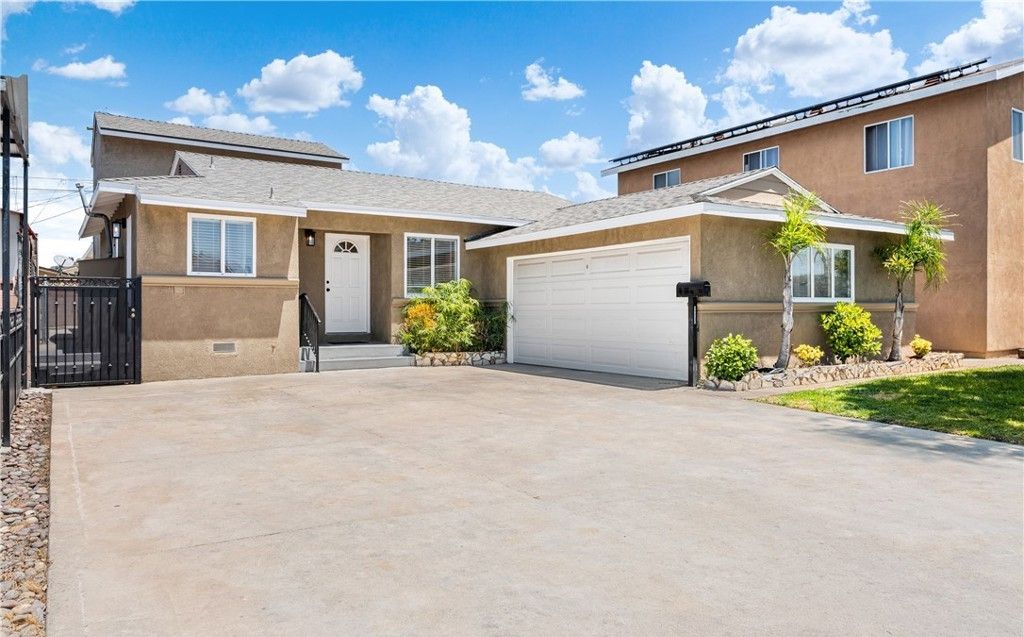

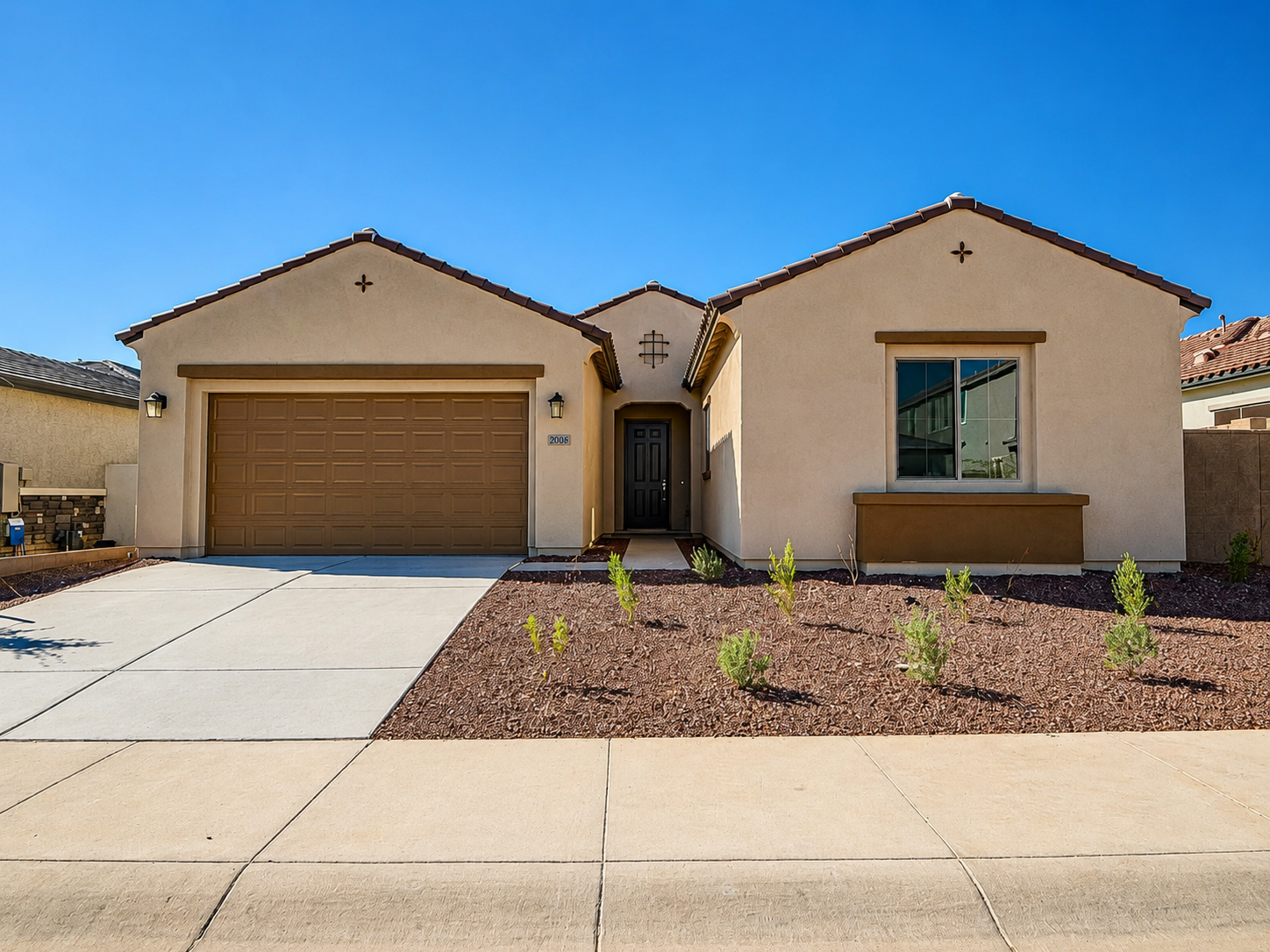
The challenge
A long-time Southern California landlord was dealing with statewide rent caps, just-cause eviction rules, long eviction timelines and rising costs. He wanted more income and fewer restrictions without paying capital gains tax on decades of appreciation.
The strategy
We used the rule that one relinquished property can be exchanged into several replacements. We screened West Valley communities for negotiating leverage, appreciation room, schools and job growth. Then we found two under-the-radar opportunities. One was a builder's last inventory home in Verrado that buyers had overlooked as a "basic" 3-bedroom; it had a flex room and a 3-car garage. The other was an investor-owned home in Estrella that needed only cosmetic work. Buying more than the sale price kept the exchange on track for full deferral.
Read the full Norwalk-to-Goodyear case study →A $2.7M La Jolla condo became a North Scottsdale retirement plan
Sold for $2,700,000
Purchased for $2,631,250
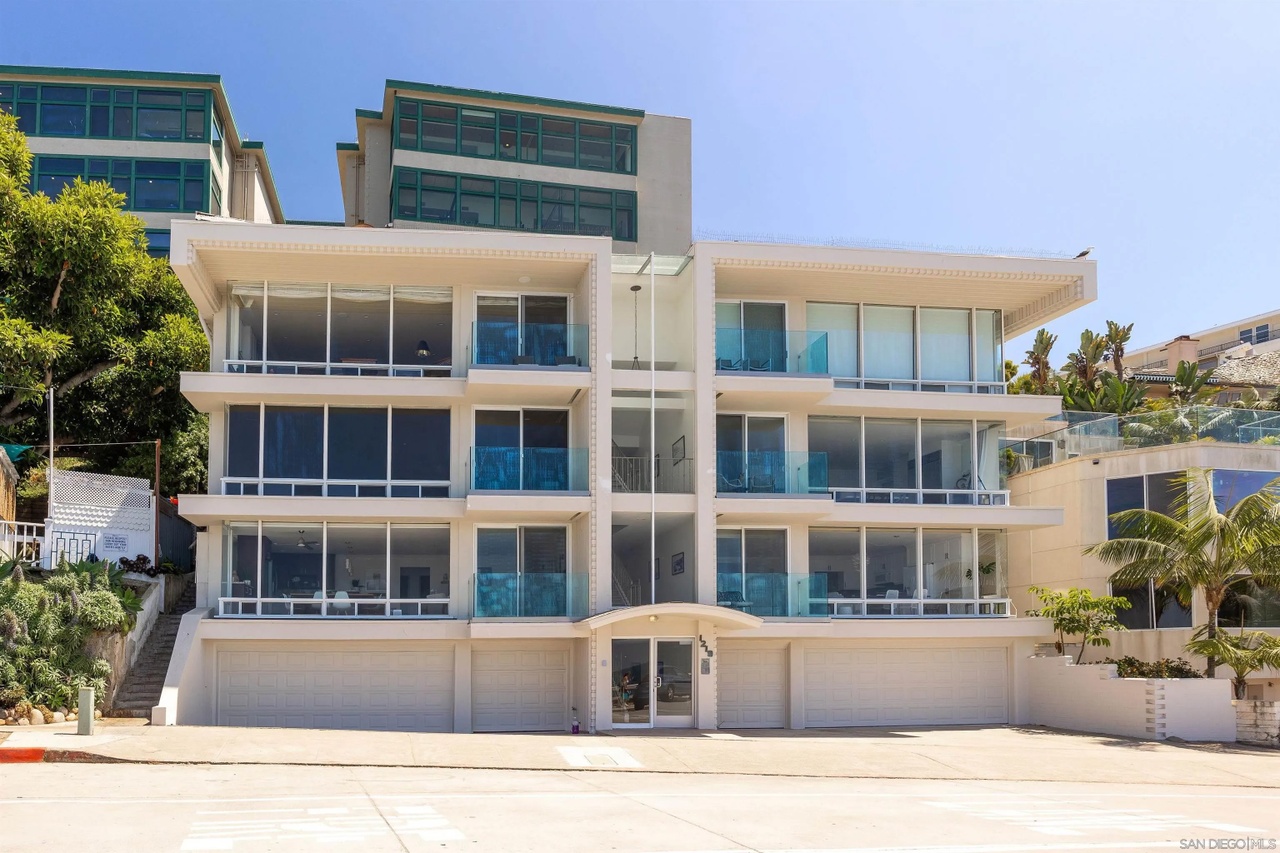


The challenge
A fast-moving sale meant a fast replacement search. The clients also needed an HOA that allowed shorter rental terms (many North Scottsdale communities require six- to twelve-month minimums), plus a way to bridge the gap between closing and relocating.
The strategy
We found a community that allows 30-day minimum rentals and negotiated a post-closing rent-back with the sellers. The plan has four stages: exchange into Scottsdale, hold the home as a furnished mid-term rental, convert it to a retirement residence later, and eventually pass it to heirs with a stepped-up basis.[41]
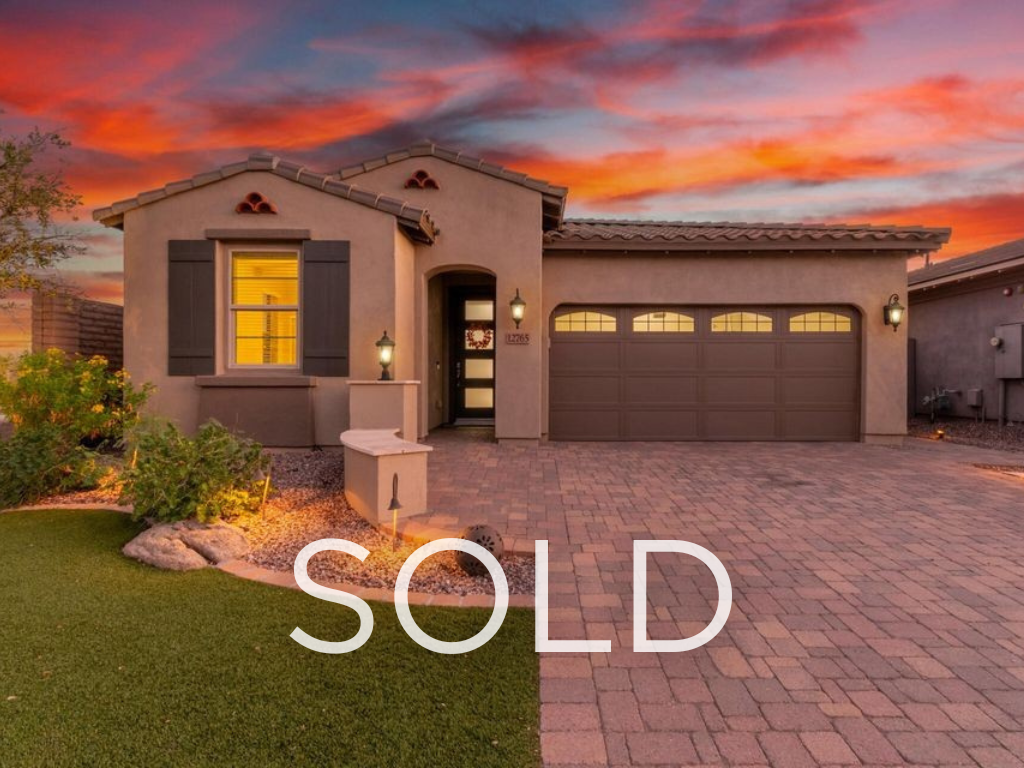
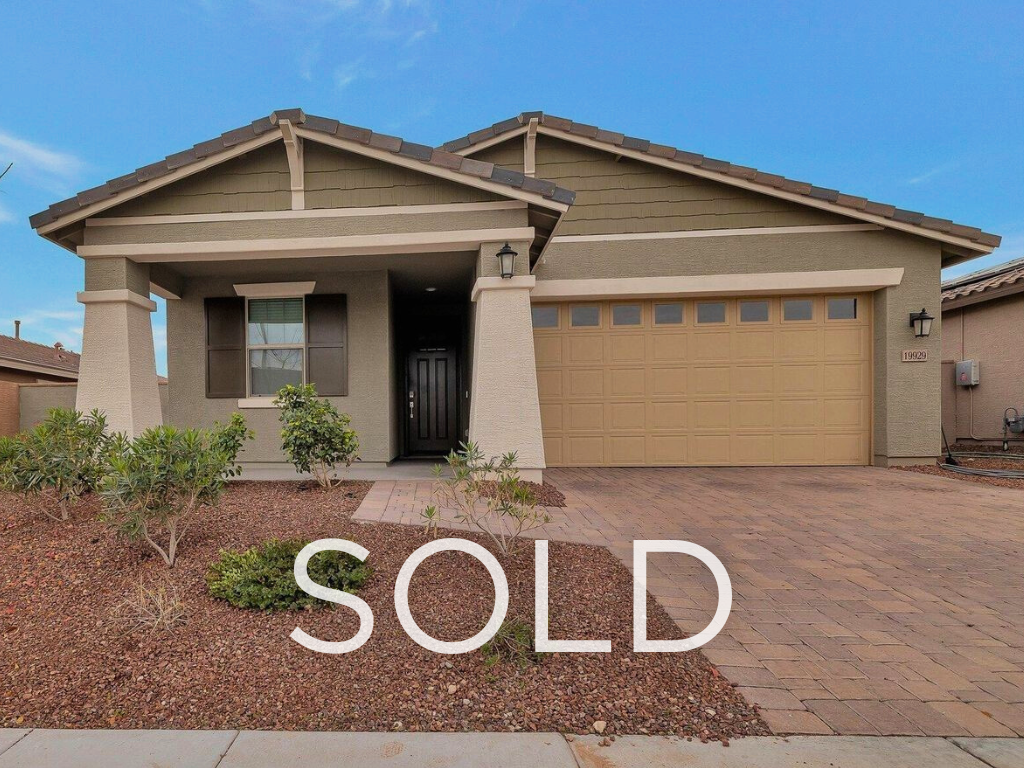
A $2M California building became two debt-free Phoenix rentals
Sold for just over $2,000,000 · client's share of rent about $3,500/mo
Both bought all cash · $938,000
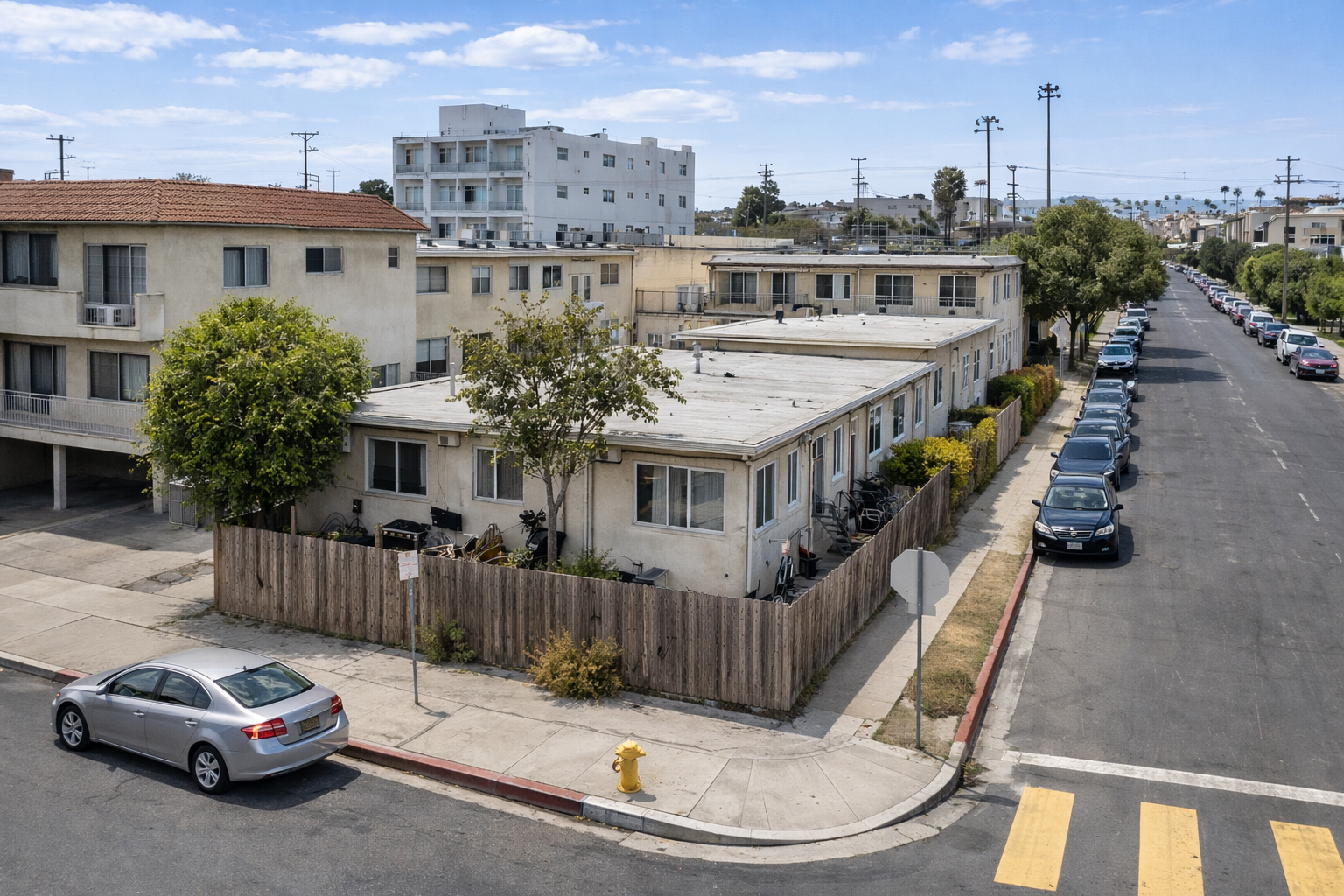
The challenge
The client co-owned the building with his brother through an LLC. Because a partnership interest can't be exchanged directly, the ownership had to be restructured well before listing so each brother could go his own way. His share produced a 4.2% gross yield, and buying anything else in California would have reset his Prop 13 property tax.
The strategy
He split his roughly $1 million share across two all-cash single-family rentals in different West Valley submarkets. That spread his risk across two neighborhoods and two job engines. We also walked through Arizona-specific costs before he committed: HOA dues, community facilities district levies, summer cooling and termite inspections. Arizona escrows typically take 30 to 45 days, leaving comfortable room inside the 180-day window.[45]
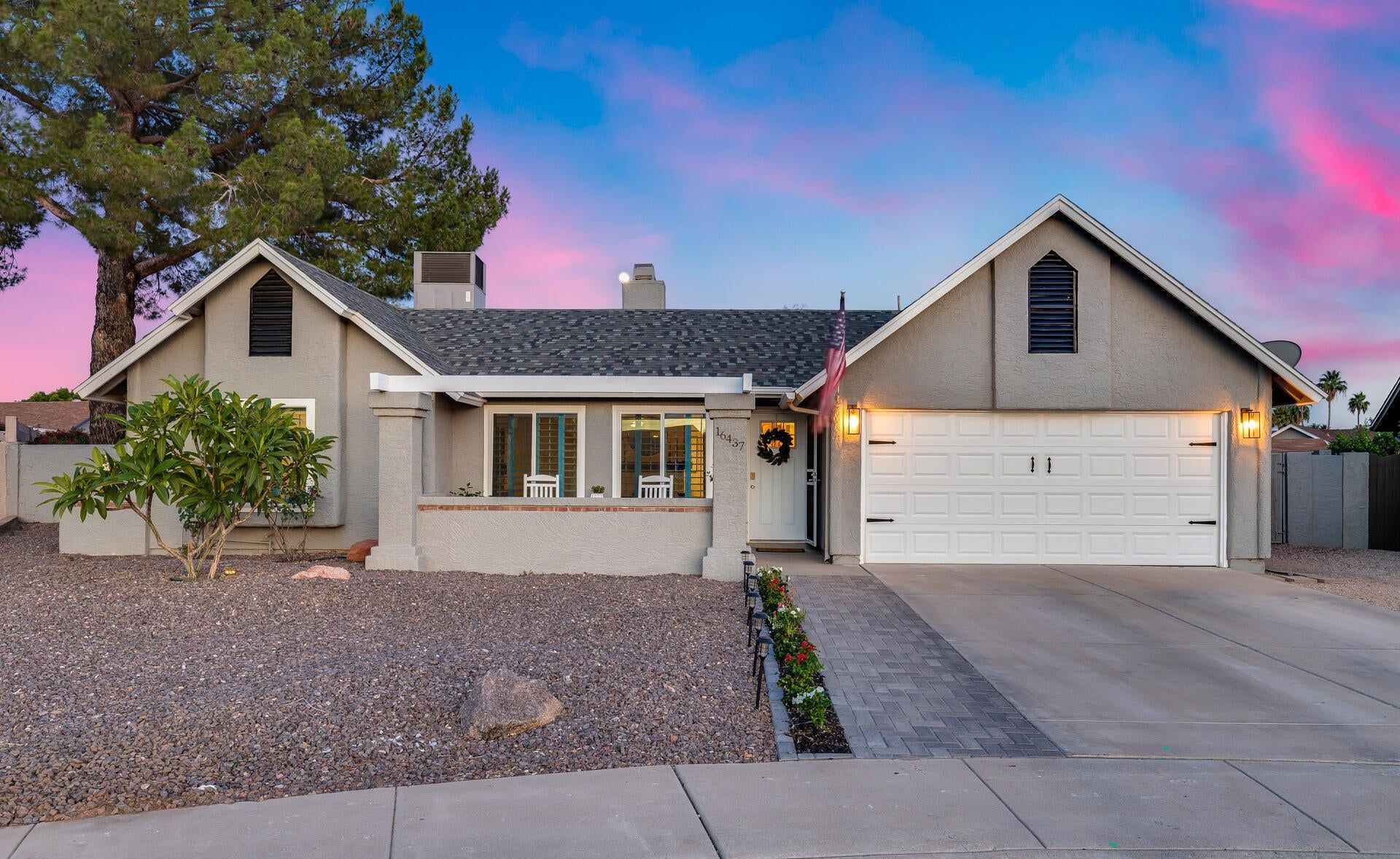
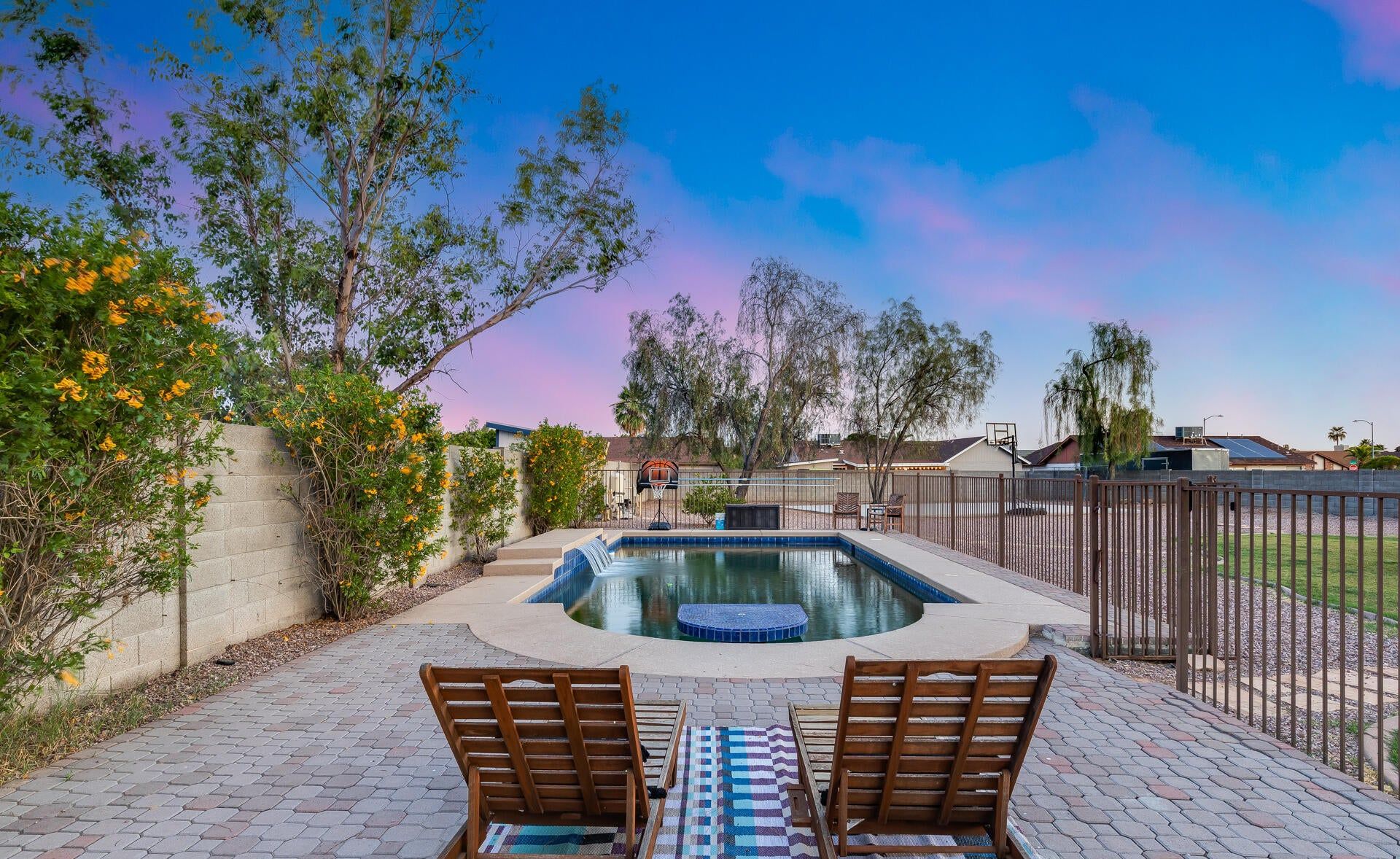
Read the full Vistancia + Verrado case study →A long-held California rental became a legacy property for the next generation
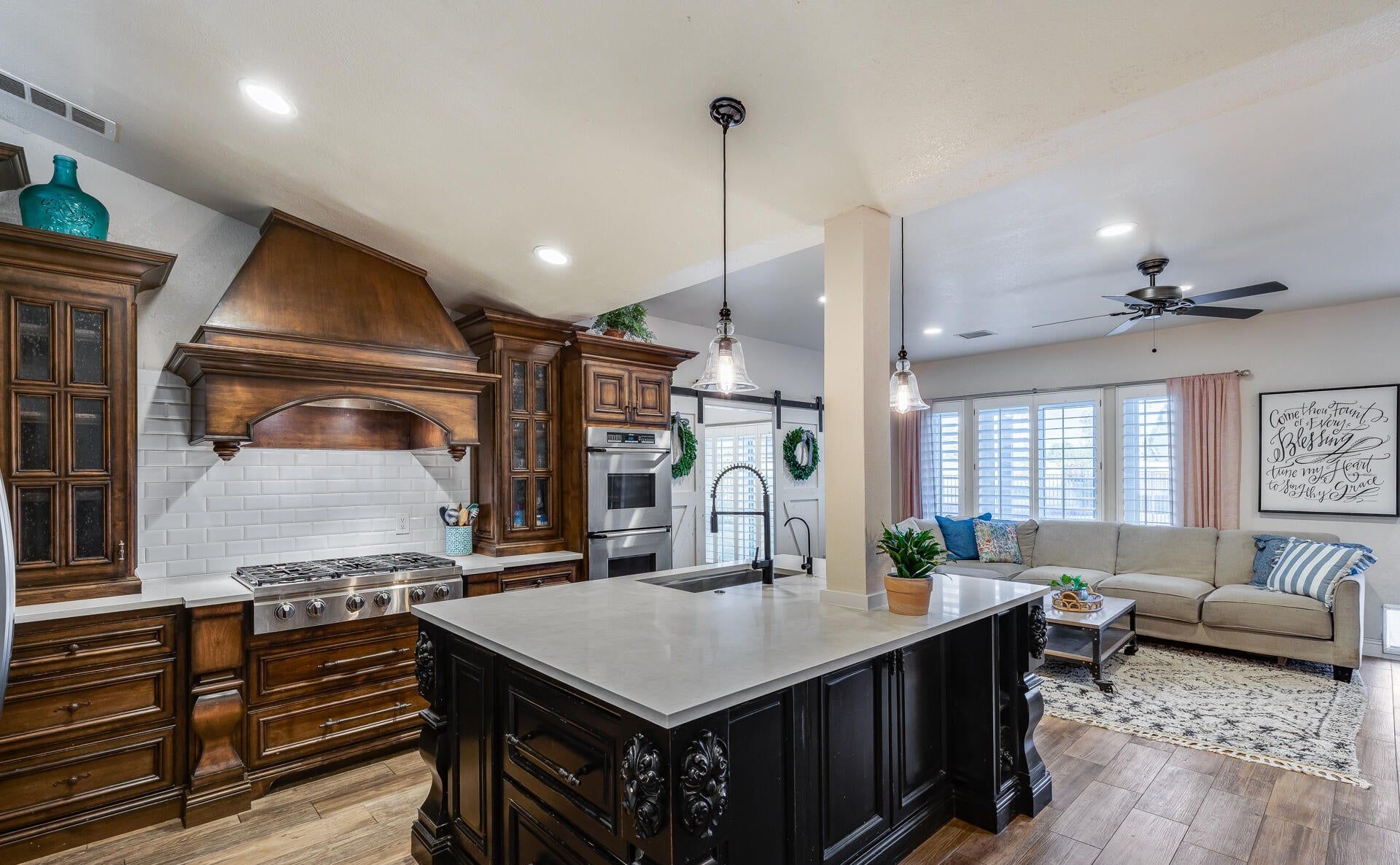
Sold for $550,000 · gain about $461,545
Cash offer · $20,000 under list
The challenge
After almost 20 years of ownership and depreciation, a sale would have triggered an estimated $139,272 in combined tax: about $56,250 in federal capital gains tax, $21,636 in depreciation recapture and $61,386 in California tax. The client also wanted the property to benefit their grandsons, which meant coordinating the CPA, estate attorney and Qualified Intermediary from the start.
The strategy
We exchanged into a single North Glendale property with room to grow: a large lot that supports a future ADU and short-term rental potential. A cash offer beat competing bids. The home is rented to a family member at fair market rent, which keeps it an investment property. Title was structured so that, under current law, the heirs can receive a stepped-up basis that wipes out the deferred gain. California's clawback is tracked through the annual FTB 3840 filing.[21][46]
See all client wins and case studies → · Read client reviews →
Results reflect specific 1031 transactions and market conditions at the time and are not a guarantee of future results. Projected rents are estimates.
Where in the Valley: four growth corridors
"Phoenix" is really a 20-plus-city metro. Where you buy shapes your tenant base, appreciation drivers and risk.
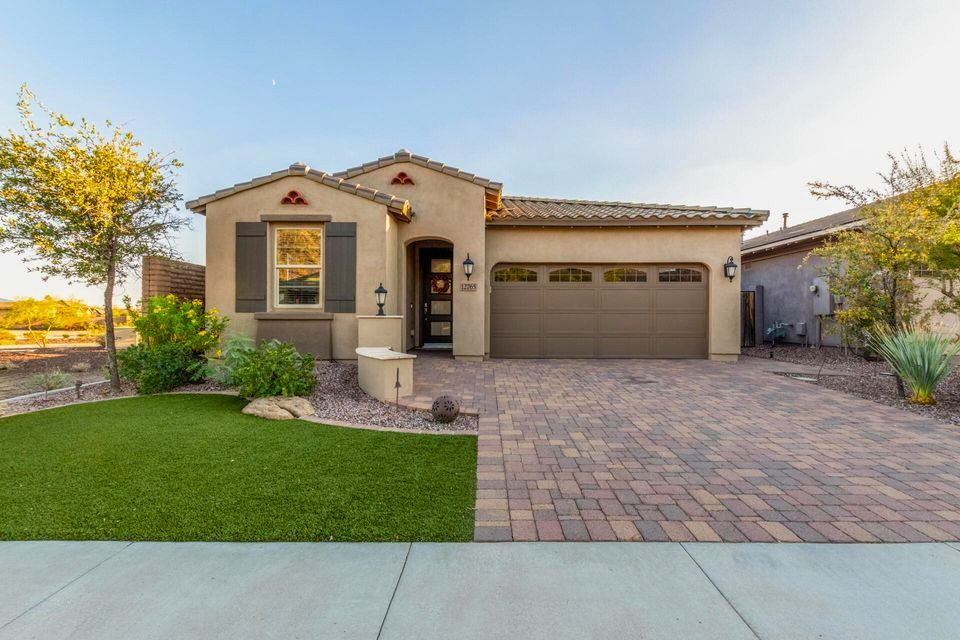
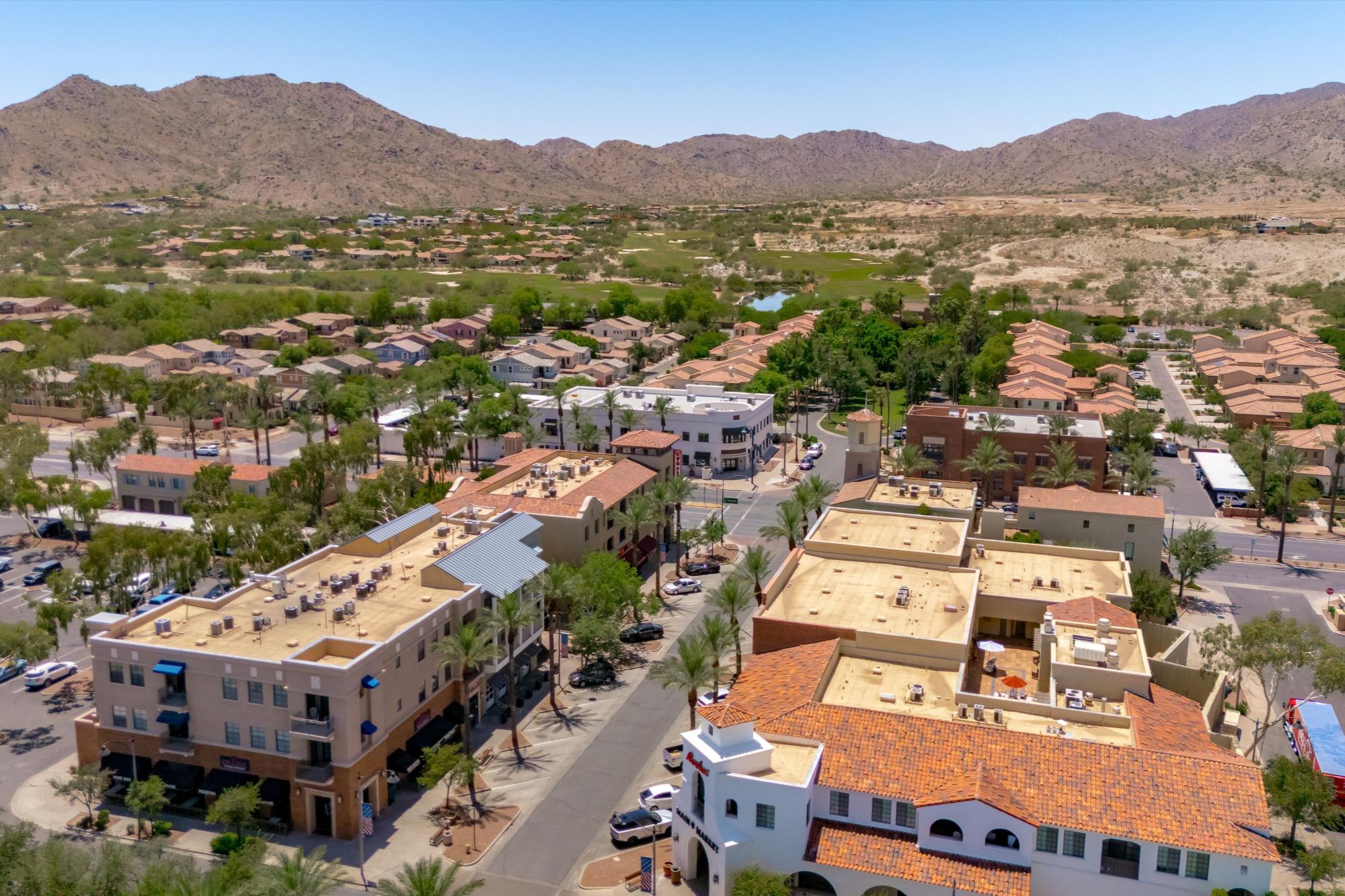

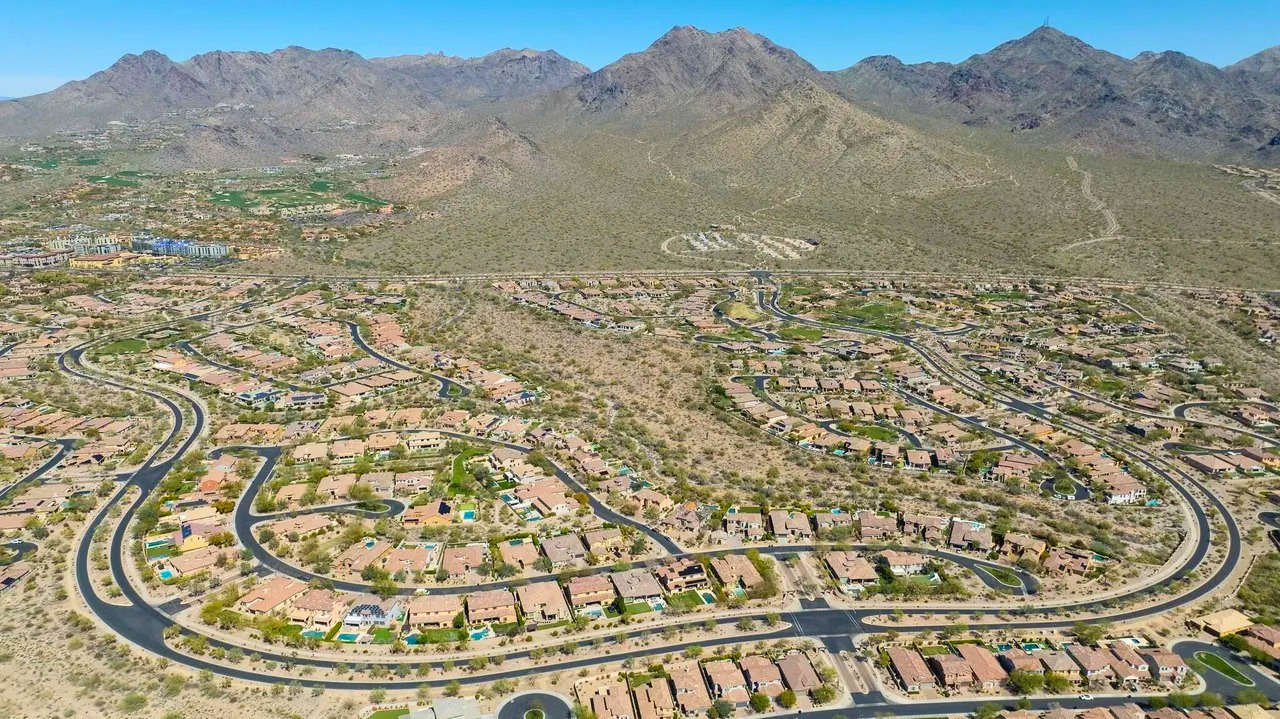
Communities where our clients have bought 1031 replacement property.
Replacement property types: matching the asset to your goals
| Property type | Current Phoenix data point | Best for | Trade-offs |
|---|---|---|---|
| Single-family rentals | Median SFR rent about $1,995 (Q1 2026)[30] | Hands-on investors, easy financing, resale flexibility | Many doors to manage; HOA rules vary |
| Small & mid multifamily | Class C cap rates ~6.5%–7.0%; Class A ~5.0% (Q1 2026)[15] | Scaling up from a coastal 2–4 unit or apartment | Concessions still elevated in some submarkets |
| Build-to-rent communities | Rents run about $450/month above traditional apartments; vacancy falling in 2026[31] | Newer product with lower near-term maintenance | Pricing reflects the premium; lease-up risk on new projects |
| Industrial | Vacancy 10.3%, down 300 bps YoY (Q3 2026)[8] | Investors seeking longer leases and fewer tenants | Larger check sizes; tenant concentration |
| Neighborhood retail / NNN | Metro retail vacancy 5.0% (Q2 2026)[17] | Owners who want minimal management | Credit and lease-term underwriting are everything |
| Delaware Statutory Trusts (DSTs) | Fractional, 1031-eligible interests in professionally managed Phoenix properties | Retiring landlords; backup identification | Illiquid, no control, sponsor fees — review the offering carefully |
Risks to underwrite before you commit
Any guide that only lists positives isn't doing its job. These are the issues I walk every Phoenix exchange buyer through:
A step-by-step plan for a Phoenix 1031 exchange
- Book a strategy call and talk to your CPA. Schedule a call with me to scope Phoenix options, and have your CPA confirm your gain, depreciation recapture, debt-replacement needs and any state clawback filings (California's FTB 3840 and Oregon's equivalent).
- Engage a Qualified Intermediary before you close your sale. The exchange agreement must be in place before proceeds are created.
- Define your Phoenix buy box 60–90 days before listing. Pick submarkets, asset type, price range and target returns while there's no clock running.
- Pre-tour and pre-underwrite. Line up lending, property managers and inspectors. Many of my clients do one scouting trip and handle the rest virtually.
- Identify strategically by day 45. Use the three-property rule with a primary target and two real backups — a DST can serve as a safety net.
- Close by day 180 and set up operations. Register the rental with the county assessor and transfer utilities, insurance and management on day one.[10]
Frequently asked questions
What is a 1031 exchange in simple terms?
What is boot in a 1031 exchange?
Can I move into a property I bought through a 1031 exchange?
Can I buy two Phoenix properties with one sale?
Can I do a 1031 exchange from another state into Phoenix?
Does California tax my gain if I exchange into Arizona?
Is there rent control in Phoenix?
Do I pay sales tax on rental income in Phoenix?
Are Phoenix home prices falling?
Is the semiconductor investment actually happening?
Can I manage a Phoenix rental from out of state?
1031 exchange glossary
- Relinquished property
- The investment property you sell.
- Replacement property
- The like-kind property you buy with the exchange proceeds.
- Qualified Intermediary (QI)
- The independent party that holds your sale proceeds and documents the exchange. Also called an exchange accommodator.
- Boot
- Cash or debt relief received in an exchange; it's taxable.
- Adjusted basis
- What you paid plus improvements, minus depreciation taken. It carries over to the replacement property.
- Depreciation recapture
- Tax on the depreciation you've claimed, which a 1031 also defers.
- DST
- Delaware Statutory Trust — a fractional, passive ownership interest that can qualify as replacement property.
- Step-up in basis
- The reset of an inherited property's basis to market value at the owner's death, which can eliminate deferred gain.
- Clawback
- A state's right to tax deferred gain from in-state property later, as with California's Form FTB 3840.
Planning a 1031 exchange into Phoenix?
I'll help you build a Phoenix buy box before your sale closes, share on-market and off-market options that fit your exchange timeline, and coordinate with your CPA, Qualified Intermediary, lender and property manager — the same process behind the client wins above.
Book a 1031 strategy call Call (480) 269-5858 Email EricSources
- ABC15 / U.S. Census Bureau Vintage 2025 metro estimates — Valley population growth, 2025
- AZ Big Media / Arizona Office of Economic Opportunity — Arizona population projections to 2060
- FOX 10 Phoenix — TSMC adds $100B, total $165B (March 2025)
- AZFamily / KOLD — Four new TSMC fabs; ~$265B total commitment (July 2026)
- Reuters via MarketScreener — Timeline of TSMC U.S. investments
- Wikipedia — TSMC Arizona (fab status and location)
- Technical Talent Group, citing CBRE — Arizona semiconductor expansions since 2020
- Cushman & Wakefield — Phoenix Industrial MarketBeat, Q3 2026
- AARP — Arizona state tax guide
- Arizona Department of Revenue — Residential rental TPT eliminated January 1, 2025 and Residential Rental Guidelines
- Steadily — Arizona landlord law overview (A.R.S. §§ 33-1329, 33-1368)
- Landager — Arizona landlord-tenant compliance overview
- Northmarq — Phoenix Multifamily Market Insights, Q2 2026
- Cushman & Wakefield — Phoenix Multifamily MarketBeat, Q2 2026
- Northmarq — Phoenix Multifamily Market Insights, Q1 2026
- Reinvent NY, citing Zillow — Phoenix home values, rents and yields 2026
- Cushman & Wakefield — Phoenix Retail MarketBeat, Q2 2026
- The Tax Adviser (AICPA) — Like-kind exchanges of real estate; IRS Publication 544
- H&R Block, summarizing IRS rules — Like-kind exchanges and Form 8824
- Barnes Walker — Exchange period and identification rules
- California Franchise Tax Board — Reporting like-kind exchanges (Form FTB 3840)
- InvestmentGrade — California Form 3840 and other state clawback rules, including Oregon
- National Low Income Housing Coalition — Washington HB 1217 rent stabilization; Washington State Standard — first-year increase ban
- CountryTaxCalc — Arizona flat tax guide 2026 (Texas property tax comparison) and local income tax prohibition
- NJBIA, reporting Tax Foundation data — 2026 top marginal state income tax rates
- Ultimate Properties — Impact of Arizona's rental TPT ban
- Northmarq — Phoenix Multifamily Market Insights, Q4 2025
- Apartment List — Phoenix Rent Report, October 2026
- Your Valley — Arizona's fastest-growing cities
- Rental Beast — Phoenix Rental Market Report, Q1 2026
- Northmarq — Phoenix Build-to-Rent Market Insights, Q2 2026
- University of Arizona Eller College — Phoenix MSA Third Quarter 2026 Forecast Flash
- Fronteras Desk — Arizona limits groundwater-only construction (2023)
- Arizona Mirror — Court ruling on Arizona water rule
- Cornell Law School, Legal Information Institute — 1031 exchange
- Foster Garvey — Tax Cuts and Jobs Act limits 1031 to real property
- IPX1031 — Related party exchanges
- First American Exchange Company — Is there a 1031 exchange 5-year rule?
- IRS — About Form 8824, Like-Kind Exchanges
- The Ravenscroft Group — Case study: California to Arizona 1031 exchange, one rental into two
- The Ravenscroft Group — Case study: La Jolla to Scottsdale 1031 exchange
- The Ravenscroft Group — Client wins and case studies
- The Ravenscroft Group — Client testimonials (Google reviews)
- IRS — Topic 409, Capital gains and losses
- The Ravenscroft Group — Case study: $2M California multifamily into Vistancia and Verrado
- The Ravenscroft Group — Case study: California to North Glendale 1031 exchange and estate strategy
Disclaimer: This article is for general educational purposes and is not tax, legal or investment advice. 1031 exchanges have strict requirements, and state tax treatment varies. Consult a qualified tax professional, attorney and Qualified Intermediary before acting. Market data reflects the sources and dates cited and will change. Client results are specific to each transaction and not a guarantee of future performance. Eric Ravenscroft is a licensed real estate agent with The Ravenscroft Group at Real Broker, not a CPA or attorney.
Categories
- All Blogs (326)
- Active Adult & 55 Plus Communities (17)
- Arizona Relocation Guides (31)
- Buyers (216)
- Financial Planning (62)
- General Real Estate (143)
- Income From Real Estate (62)
- Market Update (26)
- New Construction (29)
- News, Updates and Coming Soon (57)
- Real Estate Agent Financial Planning (22)
- Real Estate Investing (98)
- Sellers (107)
- Vacation and Short Term Rentals (46)
Recent Posts






About the Author
Eric Ravenscroft is a Top 1% REALTOR® across North America and one of Arizona’s most trusted real estate strategists. With 15 years of experience spanning real estate, wealth management, and investment planning, he helps clients make smarter, financially grounded decisions, from new construction and relocations to STR investments, 1031 exchanges, and long-term portfolio strategy.
Eric’s expertise has earned him industry recognition, Elite status with Real Broker, and features in major publications including the Wall Street Journal, MarketWatch, MSN, and Morningstar. Clients across the Greater Phoenix Metro rely on his clarity, strategic insight, and results-driven guidance.
Ready to make a confident real estate move? Call or text Eric today.