
California to Arizona: A 1031 Exchange That Turned One Rental Into Two
California to Arizona: A 1031 Exchange That Turned One Rental Into Two
How a single-family rental in Southern California became a two-property Arizona portfolio — and nearly doubled the client's monthly cash flow in the process.

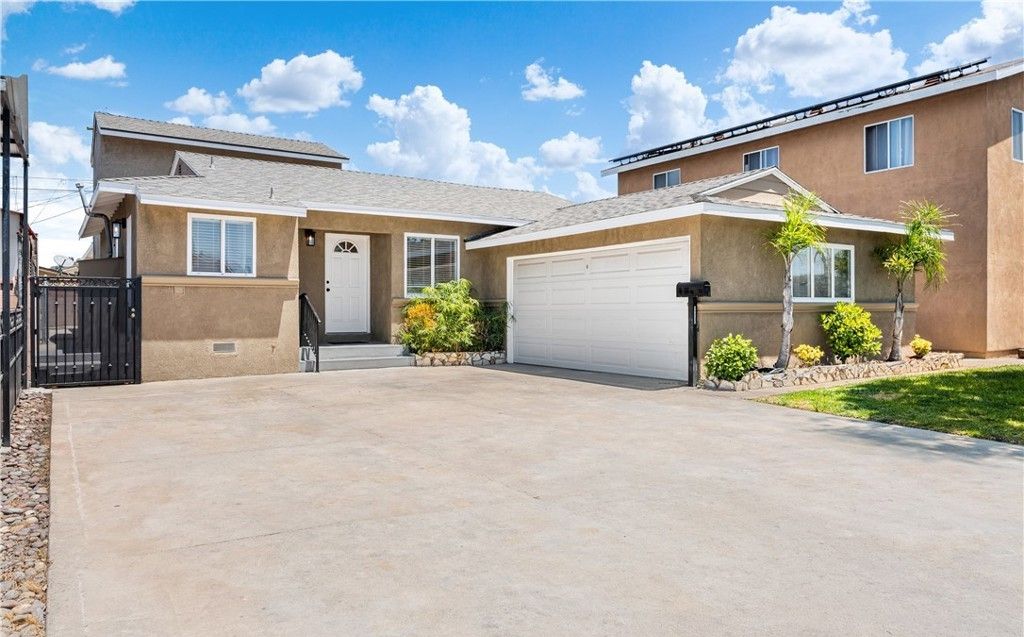

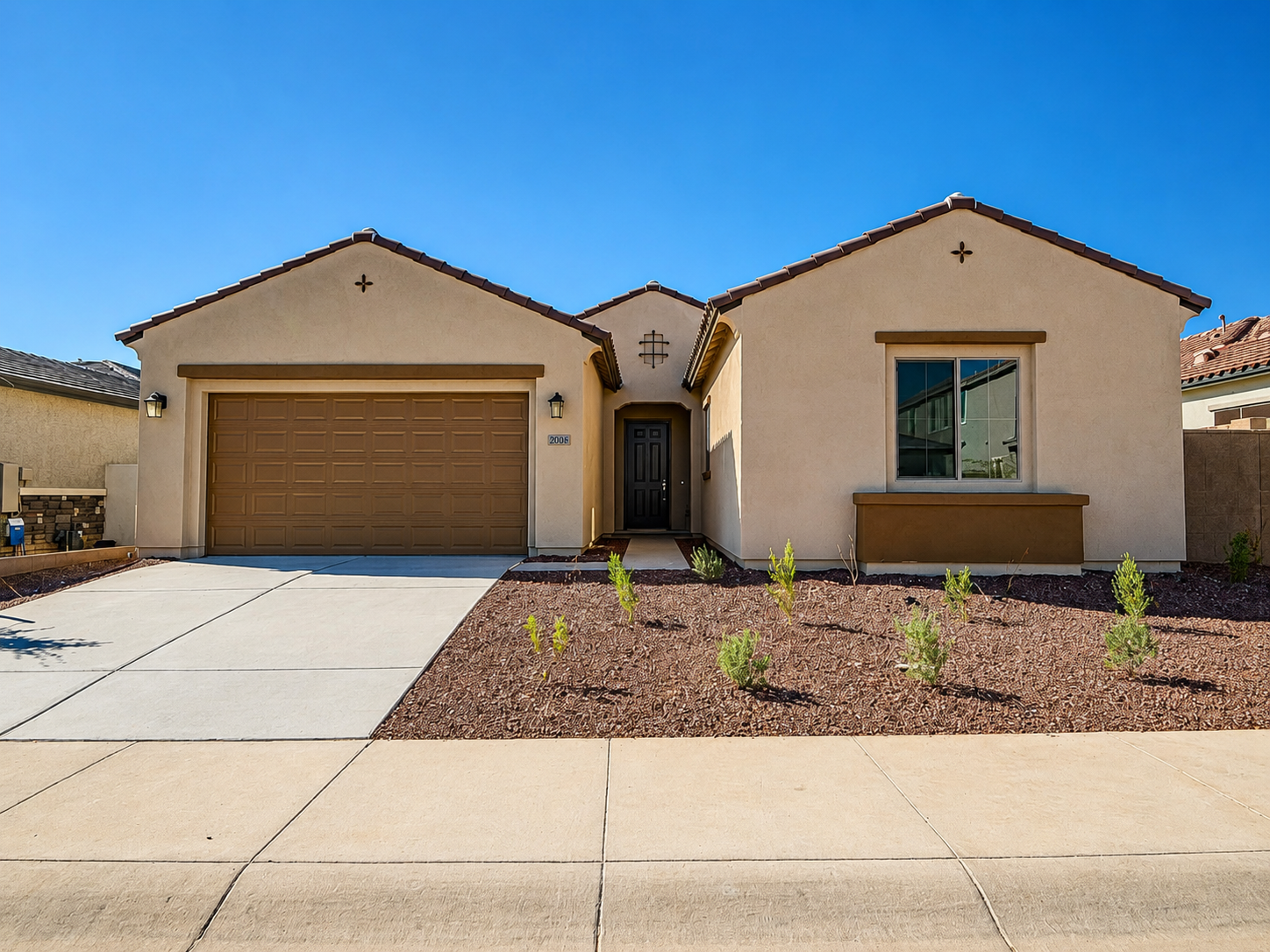
When a long-time Southern California landlord decided it was finally time to sell his rental in Norwalk, the plan was never simply to cash out. It was to exchange one aging, high-maintenance rental for a stronger, more efficient portfolio — without handing a six-figure check to the IRS along the way. That's exactly what a properly structured 1031 exchange is built to do, and it's exactly what played out over the following weeks, from a single-family home built in 1955 to two brand-new-to-nearly-new Arizona investment properties in two of the Phoenix Metro's most well-regarded master-planned communities.
Here's the full story — the property, the strategy, the numbers, and the 1031 exchange fundamentals every California investor considering a move to Arizona should understand before they start.
- →A California rental generating $3,500/mo sold for $890,000 and was 1031 exchanged into two Arizona investment properties.
- →The client reinvested $1,049,995 across Estrella (Goodyear) and Verrado (Litchfield Park) — both master-planned communities still mid-growth.
- →Combined projected rental income of up to $6,250/mo — a 79% increase in monthly cash flow.
- →Negotiated wins included $14,000 in seller credits on one property and a builder-backed 4.75% 30-year investor rate on the other.
- →The IRS allows one relinquished property to be exchanged into multiple replacement properties — a strategy that drove the diversification here.
12239 Crewe St, Norwalk, CA 90650
A solid, well-located rental — and a textbook example of why more California landlords are re-evaluating what "solid" is worth once risk, regulation, and cost of ownership are factored in.
The Norwalk property was a 4-bedroom, 3-bathroom home with 1,695 square feet of living space on a 5,471-square-foot lot, originally built in 1955. It had been a dependable rental for years, generating roughly $3,500 per month in rental income. On paper, that's a respectable return. In practice, my client — like most long-term California landlords — was carrying a level of risk that doesn't show up on a rent roll.
California's landlord-tenant framework has shifted meaningfully in favor of tenants over the past several years, and it shapes every decision an owner makes:
- Statewide rent caps. The Tenant Protection Act limits annual rent increases on many properties, making it harder to keep pace with rising costs and market rents.
- Just-cause eviction requirements. Ending a tenancy, even for legitimate reasons, requires specific documented cause and often relocation assistance.
- Longer, costlier eviction timelines. When a tenancy does go wrong, the process to regain possession can take months, not weeks.
- Rising insurance and property tax exposure. Insurance carriers have pulled back significantly across California, and premiums for landlords have climbed even where coverage is still available.
This is general market context, not legal advice — rules vary by city and change over time. Always confirm current requirements with a qualified real estate attorney.
None of this made Crewe St. a bad property. It made it a property that had done its job and was ready to be redeployed somewhere it could work harder, with less friction, for the next chapter of this client's portfolio.
A search that started with specialization, not proximity
My client didn't find me through a referral or an open house. He searched specifically for a 1031 exchange specialist and found that most agents who advertise "1031 experience" are generalists who occasionally touch an exchange. What he was looking for — and what led him to reach out — was someone who approaches real estate the way a financial planner approaches a portfolio: cash flow, tax exposure, timeline risk, and long-term positioning, not just square footage and school ratings.
That combination — real estate execution, financial planning fluency, and tax-aware structuring — is the foundation of how this exchange was built from day one.
Enter Arizona: what we screened for
Not every growing market makes a good exchange target. We built a filter around leverage, timing, and durability of demand — and Greater Phoenix cleared every bar.
- 01
Negotiating leverageSubmarkets where inventory and builder incentives gave us real room to negotiate price, terms, and closing credits — not just list-price acceptance.
- 02
Appreciation with room left to runAreas already showing strong, sustained appreciation, but where development and pricing hadn't yet peaked.
- 03
Development still in motionMaster-planned communities actively building out — new amenities, new phases, and rising demand still ahead of them.
- 04
Good schools, sensible pricingSolid, respected school districts — without the pricing premium that comes with the very top-rated zones.
- 05
Strong, diversified employmentJob growth anchored by multiple industries, not a single employer or sector.
- 06
Real migration, local and nationalVerified population inflow from both within Arizona and from out of state — the demand engine behind rents and appreciation.
Estrella — Goodyear, Arizona
15257 S 182nd Lane
Estrella is one of the Phoenix Metro's most established master-planned communities, anchored by a golf course, a private lake and marina, and an extensive trail system through the Sierra Estrella foothills. This particular home was investor-owned, priced well ahead of it hitting broader market attention, and offered an unusually strong price-to-rent ratio on a spacious, functional floorplan built for family tenants — five bedrooms, three full bathrooms, and a three-car garage on a generous lot.
The home needed only minor cosmetic touch-ups to be rent-ready, but rather than simply accepting the list price, we negotiated $14,000 in seller credits toward repairs and new backyard landscaping — capital improvements that go directly toward rentability and long-term value rather than coming out of pocket at close.
At $550,000 with a projected rent north of $3,000 a month, the price-to-rent ratio here is meaningfully stronger than what the same capital was producing in Norwalk — on a newer, larger, better-appointed home.
Verrado — Litchfield Park, Arizona
20049 West Campbell Avenue
Verrado is one of the most sought-after master-planned communities in the West Valley — walkable Main Street district, top-tier amenities, mountain views, and a golf club, all with room still ahead of it in its build-out. This home, the last remaining new construction inventory home from Woodside Homes in the community, had sat on the market longer than it should have for one simple reason: buyers were reading it as "just a 3-bedroom" and moving on.
Look closer and it's a five-usable-room home — three bedrooms plus a dedicated office and a separate flex room — with finish quality noticeably above comparable resale inventory nearby, on a homesite with a three-car garage. Comparable homes in the neighborhood had recently sold in the high-$500,000s to low-$600,000s. The builder was ready to move remaining inventory and dropped the price well under base with all of its included upgrades intact — real, immediate equity built into day one.
The bigger win, though, was on the financing side. Because the builder had a forward-commitment rate incentive available for investor buyers, we negotiated an additional 2% in incentives and locked in an investor rate of 4.75% on a 30-year fixed loan — a rate that simply isn't available to investors in the open market right now.
The plan going forward is to invest in a backyard build-out — a hot tub, a covered pergola with a fireplace, a putting green, and low-maintenance turf — positioning this as a premium rental within the community rather than a standard spec home, supporting rent at the top of its projected range.
Why Estrella and Verrado, specifically
Property fundamentals only tell half the story. Both replacement properties sit inside master-planned communities built for the long game — which is exactly what makes them work as rentals, not just as homes.
Estrella


Set against the Sierra Estrella Mountains, Estrella is one of the largest master-planned communities in Arizona — built around two private lakes with a Yacht Club, a Nicklaus Design golf course, resort-style pools, a waterpark, and more than 50 parks across the Presidio and Starpointe Residents' Clubs. It draws a mix of young families, move-up buyers, and retirees, with HOA dues that stay low relative to the amenity level.
Resort-caliber amenities at a workforce-accessible price point pull consistent tenant demand from families who want the lifestyle but aren't yet buying — exactly the renter profile that keeps a 5-bed, 3-car-garage home leased.
Verrado

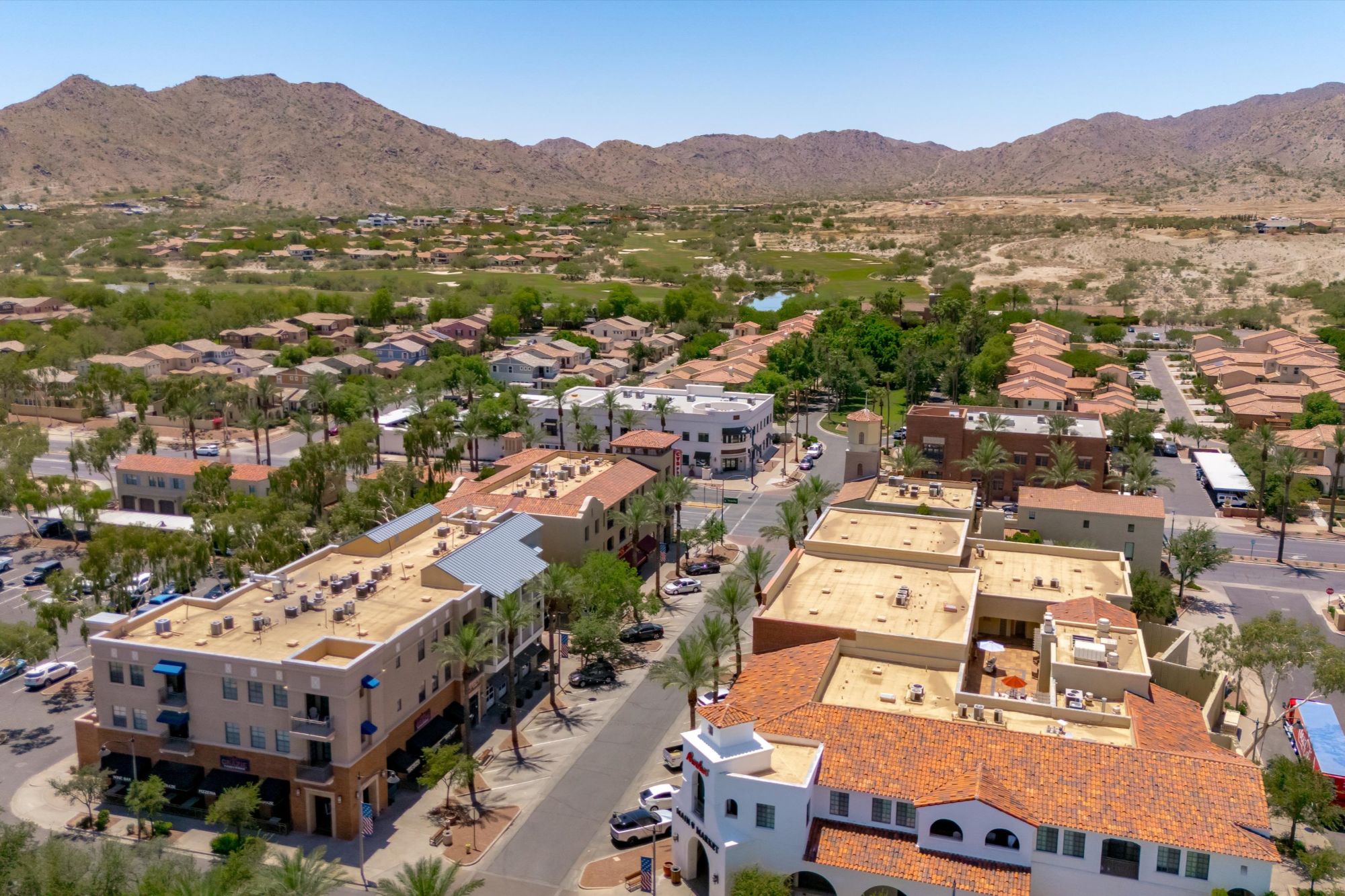
Verrado is Arizona's best-known New Urbanist community — front porches, tree-lined streets, and alley-loaded garages built around a genuinely walkable Main Street of shops, restaurants, and a full-service fitness club, all included with HOA. It's consistently ranked among the top West Valley communities for schools, design standards, and long-term resale strength.
Design-review standards and a capped, master-planned build-out protect long-term home values, while the Main Street lifestyle and top-rated schools support premium rents — especially on a newer home with high-end finishes like this one.
Sitting on California equity and wondering what it could do in Arizona?
Talk Strategy →One property out. Two properties in. Nearly double the income.
This is what a well-structured 1031 exchange is supposed to look like — not a lateral move, but a genuine step up in cash flow, diversification, and risk profile.
12239 Crewe St
Estrella + Verrado
Look past the headline number for a moment. This wasn't just a bigger check producing bigger rent. The Norwalk property's $3,500 a month came with a tenant-favorable legal environment, a rising insurance market, and California's comparatively higher effective holding costs on an appreciated asset. The combined $6,250 a month from Estrella and Verrado comes from two newer, larger, better-located homes, in landlord-favorable jurisdictions, with materially lower property tax and insurance exposure than the asset they replaced — while also splitting single-property risk across two homes in two different submarkets.
That's the real win: more income, less risk, better diversification, and a lower effective cost basis reset through the exchange — all inside the same tax-deferred transaction. Curious what a property in your target market could actually produce? See how much income your property could generate.
How a 1031 exchange actually works
For investors weighing the same move, here's the framework behind every step of this deal — and how it fits into a broader real estate tax strategy.
Sell the relinquished property
The exchange clock starts the day the relinquished property closes escrow. Proceeds must go directly to a Qualified Intermediary (QI) — the seller can never take possession of the funds, or the exchange is disqualified.
Identify replacement property
Within 45 calendar days of closing the sale, the investor must formally identify potential replacement properties in writing to the QI. This is where a pre-vetted, ready-to-move list matters enormously — there's no extension for this deadline.
Close on replacement property
The purchase of the replacement property (or properties — the tax code allows exchanging into more than one) must close within 180 calendar days of the original sale, not 180 days from identification.
Match value and reinvest all proceeds
To defer 100% of the capital gains tax, the replacement property (or properties combined) generally needs to be of equal or greater value than the relinquished property, with all net proceeds reinvested and equal or greater debt carried forward.
Defer the tax, keep the capital working
Done correctly, capital gains tax and depreciation recapture are deferred — not eliminated — keeping the full sale proceeds invested and compounding rather than being reduced by a tax bill at the closing table.
This is a general overview of 1031 exchange mechanics and not tax or legal advice. Every exchange should be structured with a Qualified Intermediary and reviewed by a CPA or tax attorney familiar with your specific situation before any property is sold.
Frequently asked questions
Why are California investors 1031 exchanging into Phoenix specifically?
Three things line up at once: purchase prices are meaningfully lower than coastal California for comparable or larger homes, population and job growth are among the strongest in the country, and Arizona's landlord-tenant laws are generally more balanced — giving owners more flexibility around rent increases and lease enforcement than California currently allows.
Can I exchange one property into two (or more) replacement properties?
Yes. The IRS allows a single relinquished property to be exchanged into multiple replacement properties, as long as the combined value and reinvested equity meet the requirements to defer the full gain. That flexibility is exactly what allowed this client to move from one Norwalk rental into two Phoenix Metro homes.
Do I need a real estate agent who specializes in 1031 exchanges?
You need someone who can move fast, has pre-vetted inventory ready before your 45-day identification window starts, and understands how price, financing, and tax timing interact. A generalist agent can find you a house; a 1031-focused advisor builds the search around your deadline and your tax outcome from day one.
What is a master-planned community, and why does it matter for rental investment?
Master-planned communities like Estrella and Verrado are built around long-term amenity investment — golf, trails, retail, top-rated schools, and ongoing development phases. For rental property, that translates into stronger, more durable tenant demand and typically better long-term appreciation than a standalone infill property.
“He wasn't just helping us buy a property; he was helping us make a smart financial and investment decision.”
Completing a 1031 exchange from California to Arizona was a major financial decision, and choosing Eric Ravenscroft was the best decision we made throughout the process.
What immediately stood out was Eric's background. His experience isn't limited to real estate — his background in financial planning, tax planning, and real estate investing gave us confidence that he understood the bigger picture.
Eric took the time to understand our goals, explain different investment strategies, review potential cash flow, discuss long-term appreciation, and coordinate with our CPA throughout the 1031 exchange process. Having someone who could bridge the gap between real estate, investment planning, and tax strategy made the entire experience far less stressful.
His knowledge of the Arizona market was exceptional, and he never pressured us into making a decision. Instead, he provided the data, answered every question, and helped us evaluate each property based on both today's numbers and our long-term goals.
If you're looking to complete a 1031 exchange from California to Arizona, purchase an investment property, or simply want an Arizona Realtor who understands how real estate fits into your overall financial plan, we can't recommend Eric Ravenscroft enough. His professionalism, communication, and depth of knowledge truly set him apart.
Years spent structuring exchanges across state lines — coordinating sale timing, Qualified Intermediaries, replacement property sourcing, and financing on the same 45- and 180-day clock, deal after deal.
A background spanning real estate, financial planning, and tax-aware investment strategy — evaluating every property on cash flow, financing structure, and long-term portfolio fit, not just price per square foot.
Every exchange is coordinated with a licensed Qualified Intermediary and reviewed alongside the client's own CPA or tax attorney — because a 1031 exchange only works when it's built correctly from the first step.













Eric Ravenscroft, CRS
I'm the founder of The Ravenscroft Group at Real Broker and a Top 1% REALTOR® across North America, recognized as a Platinum Producer (2022–2025) and President's Club recipient (2021–2025). I hold the CRS designation — the highest credential in residential real estate — alongside GRI, ABR, MRP, SRES®, and RSPS.
Before real estate, I served as a Director of Wealth Management, advising physicians, executives, and business owners on tax planning, investment strategy, and long-term wealth building. That career gave me a front-row seat to how most high-income earners systematically overpay the IRS — and how real estate, structured correctly, is one of the most powerful legal remedies available. It's the same lens I bring to every 1031 exchange: the property is only half the equation.
I've closed more than $100 million in residential sales, helped clients create over $152 million in long-term wealth, and carry more than 150 five-star Google reviews. I'm also the host of the House of Ravenscroft Podcast, where I cover 1031 exchanges, bonus depreciation, and long-term wealth building for real estate investors.
See how other clients have exchanged, relocated, and invested across the Phoenix Metro.
Resources for California investors moving to Arizona
Investing & Tax Strategy
Moving & Buying
Community Guides
Considering a 1031 exchange out of California?
If your California rental is carrying more risk than return, let's map out what a properly timed 1031 exchange into Greater Phoenix could look like for your portfolio.
Start the ConversationCategories
- All Blogs (321)
- Active Adult & 55 Plus Communities (16)
- Arizona Relocation Guides (30)
- Buyers (211)
- Financial Planning (60)
- General Real Estate (139)
- Income From Real Estate (59)
- Market Update (26)
- New Construction (28)
- News, Updates and Coming Soon (57)
- Real Estate Agent Financial Planning (22)
- Real Estate Investing (94)
- Sellers (106)
- Vacation and Short Term Rentals (45)
Recent Posts







About the Author
Eric Ravenscroft is a Top 1% REALTOR® across North America and one of Arizona’s most trusted real estate strategists. With 15 years of experience spanning real estate, wealth management, and investment planning, he helps clients make smarter, financially grounded decisions, from new construction and relocations to STR investments, 1031 exchanges, and long-term portfolio strategy.
Eric’s expertise has earned him industry recognition, Elite status with Real Broker, and features in major publications including the Wall Street Journal, MarketWatch, MSN, and Morningstar. Clients across the Greater Phoenix Metro rely on his clarity, strategic insight, and results-driven guidance.
Ready to make a confident real estate move? Call or text Eric today.