
The True Cost Of Owning A Home In Phoenix: The 10-Year Math Most Buyers Never Run
THE RAVENSCROFT GROUP
The True Cost Of Owning A Home In Phoenix
What You'll Really Pay Over 1, 5 And 10 Years In Phoenix, Scottsdale, Buckeye And Goodyear
The list price is only part of what a home costs. Taxes, insurance, HOA dues and aging systems decide the rest. Here is the 1, 5 and 10-year model I use with every client to find the home that is actually the better buy.
Book a private strategy call Read the 10-year modelThree homes, priced within $25,000. Which costs least to own?
Extra cost to own each home over 10 years, compared with the lowest-cost option
Home A · $700K price
+$113K
more to own than Home C. The lowest price, with its original AC, roof and pool.
Home B · $725K price
+$63K
more to own than Home C. A resale with updated systems.
Home C · $725K price
Lowest
10-year cost of the three. A new build with a builder-paid lower rate.
Cost to own means interest, taxes, insurance, HOA, utilities and repairs, not the purchase price. Illustrative model, explained in the 10-year view.

Eric Ravenscroft, CRS, GRI, ABR
Former Director of Wealth Management · Top 100 Greater Phoenix Metro · 175+ five-star reviews · Updated November 2026
Quick answer
What does it really cost to own a home in Phoenix? Beyond the mortgage, plan for property taxes (roughly 0.4% to 0.6% of value in Maricopa County), rising insurance, HOA dues, summer utility bills, about 1% to 2% of the home's value a year for upkeep, and replacements of the AC, roof underlayment and pool, which wear out faster in desert heat. In our example, a $700,000 home with original systems costs about $50,000 more to own over 10 years than an updated $725,000 home.
Key takeaways
- Two Phoenix homes priced within $20,000 of each other can have very different long-term costs.
- HOA dues, property taxes, insurance, utilities and solar contracts follow the house, not the buyer.
- Desert heat shortens the life of AC systems, tile roof underlayment and pool surfaces.
- A $700,000 home that needs $50,000 of work can cost more than a $725,000 home that doesn't.
- In our example, the higher-priced home costs about $53,000 less to own over five years.
- Every purchase should have a Plan A, a Plan B (often renting it out) and a Plan C before you make an offer.
- A $725,000 new build with a builder rate buydown costs about $119,000 less than the $700,000 resale to own and then sell over 10 years.
- The better question: "What is this home likely to cost me while I own it?"
Eric Ravenscroft has been featured in





In this guide
The costs
The long view
Proof and resources
Why the list price is only the beginning
When you buy a home in Phoenix, Scottsdale, Buckeye, Goodyear or anywhere across the Greater Phoenix area, the list price is the number everyone talks about. It is rarely the number that decides whether the home was a good buy.
Two Phoenix homes priced within $20,000 of each other can have very different long-term costs. One may carry a $300 monthly HOA fee, a 16-year-old air conditioner and a leased solar system you'd have to take over. The other may have a newer roof, a recently replaced AC and no HOA at all.
On paper, they look nearly identical. Over five or ten years of ownership, they can be tens of thousands of dollars apart.
“
What is this home likely to cost me while I own it?
The better question than "What does this home cost?"
This guide walks through how I answer that question with buyers across the Valley, using Phoenix-area cost ranges, a side-by-side example and the checklist I use on every purchase.
What "total cost of ownership" means for a Phoenix home
Total cost of ownership is everything you'll spend on a home from the day you close to the day you sell, not just the purchase price. For a home in the Phoenix metro, I group those costs into three buckets.
1. Purchase costs
Price, down payment, closing costs, inspection and appraisal fees.
2. Recurring costs
Mortgage, property taxes, insurance, HOA, utilities, solar payments, pool and landscaping.
3. Capital costs
AC systems, roof underlayment, pool surface and equipment, water heater and planned updates.
Most buyers compare homes using the first bucket and part of the second. The homes that turn out to be expensive usually surprise people in the third.
True cost = Price + (Recurring costs × Years owned) + Expected repairs and replacements − Equity at sale
You won't know every number exactly. You don't need to. A reasonable estimate of each one is far better than ignoring it. If you're still working out your budget and what you qualify for, start with my guide Can You Afford a Home in Phoenix in 2026?
The recurring costs Phoenix buyers often underestimate
These monthly and annual costs follow the house, not the buyer. Two homes at the same price can differ by several hundred dollars a month here alone.
HOA dues and what they cover
Much of the Valley's newer construction sits inside HOA communities, especially in Buckeye, Goodyear and the master-planned areas of the West Valley. Dues range from a modest quarterly fee to several hundred dollars a month in gated or amenity-rich communities.
The fee alone doesn't tell the story. I review what the HOA covers, the reserve fund balance, any pending special assessments and the transfer and capital-improvement fees charged at closing. A low fee with an underfunded reserve can become a special assessment later.
Property taxes in Maricopa County
Arizona property taxes are relatively low by national standards. Estimates of Maricopa County's effective rate typically land around 0.44% to 0.58% of market value, depending on the source and tax district (US Tax Tools, Property Tax Almanac).
Your actual bill depends on the specific parcel, its school district, city and any special districts. Community facilities districts in some newer master-planned areas can add noticeably to the bill. Always check the property's actual tax history on the Maricopa County Treasurer site, not a county average.
Simple money-saver: if the home will be your primary residence, make sure it's classified as owner-occupied after closing so the lower residential assessment ratio applies.
Homeowners insurance
Insurance is one of the fastest-rising costs of owning a home in Arizona, and published averages vary widely. One estimate puts the statewide average around $2,600 a year (MoneyGeek), while another puts Phoenix near $5,100 a year for its assumed coverage level (NerdWallet).
That spread is why I ask clients to get a real quote during the inspection period. Roof age and material, the electrical and plumbing systems, a pool and the property's claims history can all move the premium.
Utilities: SRP or APS, water and gas
Summer electric bills are the line item newcomers underestimate most. Two homes of the same size can have very different bills because of AC efficiency, insulation, windows, west-facing exposure and whether there's a pool.
Before writing an offer, ask the seller for 12 months of electric bills, especially June through September. Confirm whether SRP or APS serves the address and which rate plan the home uses.
Solar: owned, financed, leased or a PPA
Solar is common across the Valley and can be a real benefit. It can also be a monthly obligation you inherit.
| Solar arrangement | What it means for you as the buyer |
|---|---|
| Owned outright | Part of the home. Typically no payment; you get the full benefit. |
| Financed with a loan | Usually paid off at closing or assumed, depending on the loan. Check for a UCC filing. |
| Leased | You don't own the panels. You must qualify to take over the lease, and payments may rise annually. |
| Power purchase agreement (PPA) | You buy the power the panels produce at a contracted rate. Also requires transfer approval. |
Leased panels generally aren't counted in the appraisal, and lenders may count the payment toward your debt-to-income ratio (InMaricopa). Transfer approval isn't guaranteed (Arizona Daily Star). I request the full solar contract early to confirm the payment, annual escalator, remaining term and buyout price.
Pool service, landscaping and the desert yard
A pool is a Phoenix lifestyle feature, but also a recurring cost: weekly service or chemicals, higher water and electric use and periodic repairs. Desert landscaping is lower-maintenance than grass, but irrigation, tree trimming and gravel refresh still cost money.
Comparing two homes right now?
I'll help you estimate what each one is likely to cost over the years you plan to own it.
Schedule a 15-Minute CallThe big-ticket systems that drive future costs in Phoenix
The desert is hard on houses. Extreme heat, UV exposure, dust storms, monsoon rain and hard water shorten the life of several major components compared with national averages.
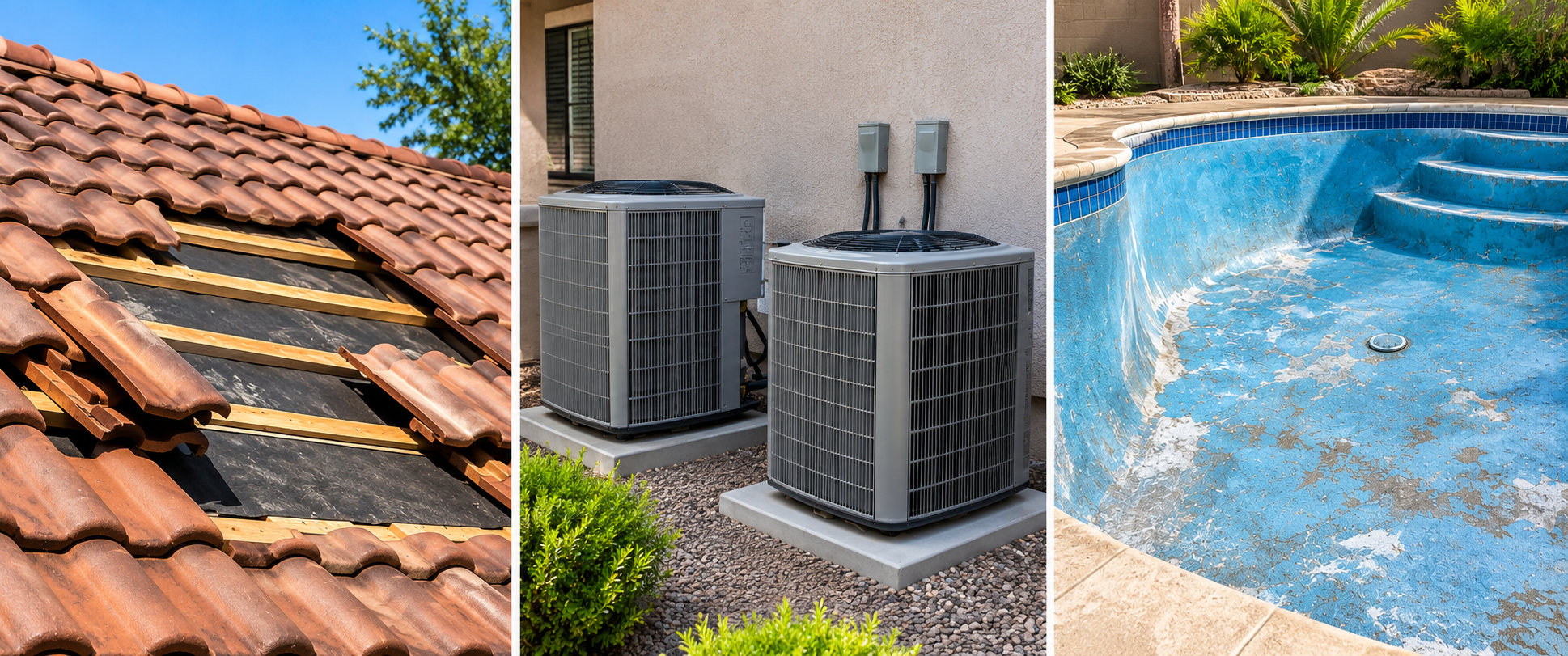
Three of the biggest future costs in a Valley home: tile roof underlayment, AC condensers and the pool surface. Each has a lifespan and a price, and the inspection tells you where each one is in that life.
| Component | Typical Phoenix lifespan | Approx. replacement cost | What to ask |
|---|---|---|---|
| AC / heat pump system | About 8–15 years | $7,000–$15,500 per full system | Install date, tonnage, service records |
| Tile roof underlayment | About 15–30 years | $3,500–$12,000 | Age, past leaks, permits |
| Full tile roof replacement | 40+ years for tile | $13,000–$21,000+ | Roof type, flat sections, repairs |
| Pool resurfacing | Varies by finish and water care | $6,000–$15,500 | Last resurface, finish, cracks |
| Pool pump | Varies | $725–$1,350 | Single- or variable-speed, age |
| Pool filter | Varies | $1,550–$2,070 | Type, age, leaks |
Approximate 2026 ranges from published Phoenix cost guides (HVAC Project Cost, Angi, ServiceMaster, Angi roofing, Angi pool resurfacing, Angi pool repairs). Always get bids from licensed local contractors.
Why AC age matters more in Phoenix
National guides often quote 15 to 20 years for an air conditioner. In Phoenix, many sources put the realistic range closer to 8 to 15 years because systems run far more hours in extreme heat (Angi). Larger homes often have two units, which doubles the exposure.
An AC that cools perfectly during a March showing tells you very little about how it will handle its fifth 115-degree July.
The tile roof that looks fine
Tile roofs are popular because the tiles last decades. The underlayment beneath them doesn't. In many homes built in the early 2000s, that underlayment is now at or past the end of its useful life, even when the tiles look perfect from the street (ServiceMaster). The usual fix is to lift the tiles, replace the underlayment and reset them.
A roof near the end of its life is also leverage. On a Scottsdale purchase in 85254, we made a new roof and new sliders part of the seller's package, along with seller-paid closing costs, at $170,000 below list. My client never paid for either. Read the Cabana House case study.
Pools: surface and equipment
Phoenix sun and hard water wear pool finishes faster. A pool that needs resurfacing plus a new pump and filter can easily become a five-figure project.
Other items worth a look
- Water heater. Hard water shortens tank life. Check the date on the label.
- Plumbing. Polybutylene or galvanized supply lines in older homes can affect insurability.
- Electrical panels. Certain older panel brands are flagged by insurers.
- Windows and insulation. Single-pane windows and thin attic insulation show up on every summer bill.
- Irrigation and drainage. Monsoon storms reveal grading problems quickly.
Read your home inspection as a financial forecast, not a repair list
A home inspection tells you two things: what's broken today, and what's aging toward replacement. Most buyers only negotiate on the first. The second is often worth more.
An older HVAC system may work perfectly today but still represent a significant future expense. The same applies to a roof, pool surface or water heater. None will show up as a "defect," yet each has a cost and a likely timeline.
When my clients receive their report, we sort every item into three groups:
- Safety and immediate repairs. Electrical hazards, active leaks, gas issues.
- Near-term replacements (0–5 years). Components that work but are near the end of their life in the Phoenix climate.
- Routine maintenance. Minor items any owner would handle.
Group two is where buyers leave money on the table. Those items can support a price adjustment, a seller credit or simply a better-informed decision. Arizona's standard purchase contract gives buyers an inspection period to investigate and request remedies. That window is short, so we bring in specialists early when needed: HVAC, roofing, pool and sewer-scope.
Example: why a $700,000 home can cost more than a $725,000 home
In this hypothetical example, the cheaper home ends up costing about $20,000 more within the first five years. Both are roughly 2,400-square-foot homes in the same Phoenix-area neighborhood, built in the early 2000s.
Home A · $700,000
Two original AC units, original roof underlayment, pool due for resurfacing with a single-speed pump, water heater past its expected life.
Home B · $725,000
Both AC units replaced two years ago, new underlayment three years ago, pool resurfaced last year with a variable-speed pump. Permits and receipts available.
| Cost item | Home A | Home B |
|---|---|---|
| Purchase price | $700,000 | $725,000 |
| Two AC systems (likely within 5 years) | $24,000 | $0 |
| Tile roof underlayment | $9,500 | $0 |
| Pool resurface, pump and filter | $13,500 | $0 |
| Water heater and miscellaneous | $3,000 | $3,000 |
| Price + expected near-term costs | $750,000 | $728,000 |
Illustrative only, using midpoints of the Phoenix ranges above.
A few details make Home B even stronger than the table suggests:
- Cash vs. financing. Home B's extra $25,000 is spread across your mortgage. At an illustrative 6.25% 30-year rate with 20% down, the extra $20,000 borrowed adds roughly $123 a month. Home A's $50,000 in repairs usually comes from savings.
- Timing risk. Old AC systems rarely fail on a convenient schedule. A July failure means emergency pricing.
- Utility savings. Newer AC and a variable-speed pool pump typically lower summer bills.
- Insurance. A newer roof and updated systems can make the home easier to insure.
- Resale. Your future buyer's inspector will find the same aging systems in Home A.
None of this makes Home A a bad purchase. At the right price or with a seller credit, it may be the better deal. The point is to know which home you're actually buying before deciding what it's worth to you.
The 1, 5 and 10-year view: how I analyze a home with clients
Using the same two homes, Home B costs about $4,000 less to own in year one, about $53,000 less by year five and about $50,000 less by year ten. This is the same model I build with clients before they write an offer. It answers the question that matters most: is a good deal today still a good deal five and ten years from now?
I've also added a third option many of my clients consider: Home C, a $725,000 new build in a nearby master-planned community, with a builder-paid rate buydown. Year one barely separates any of them, and Home C actually costs the most in year one. That's why so many buyers choose on price or first-year payment alone. The gaps open between years two and five.
$52,910
Home B costs less than Home A over 5 years
$49,507
Home B costs less than Home A over 10 years
$112,564
Home C (new build) costs less than Home A over 10 years
Cumulative cost of ownership: Home A, Home B and Home C
Mortgage interestMaintenance & replacementsTaxes, insurance & HOAUtilities
After 1 year · Lowest cost: Home B
After 5 years · Lowest cost: Home C
After 10 years · Lowest cost: Home C
Each panel uses its own scale so the year-one differences are visible. Hover over any segment for its amount. The full numbers are in the table below.
Assumptions behind the model (illustrative)
- All three: 20% down on a 30-year fixed loan. Taxes rise 2% a year, insurance 5%, and utilities and upkeep 3%.
- Home A ($700,000, resale, original systems): 6.25% rate, so $3,448/month principal and interest. Taxes at 0.5% of price, $120/month HOA, $3,000/year insurance, about $400/month utilities, $3,000/year upkeep. Replacements: water heater and repairs in year 1 ($3,000), first AC in year 2 ($12,000), pool resurface, pump and filter in year 3 ($13,500), second AC and roof underlayment in year 4 ($21,500).
- Home B ($725,000, resale, updated): 6.25% rate, so $3,571/month. Same taxes and HOA as Home A, $2,600/year insurance, about $320/month utilities, $2,000/year upkeep. Repairs in year 3 ($3,000) and one AC unit in year 10 ($12,000).
- Home C ($725,000, new build): builder incentive buys the rate down to 5.25%, so $3,203/month. Taxes at 0.65% of price, since newer master-planned areas often carry district charges. $150/month HOA, $2,200/year insurance, about $270/month utilities, $1,200/year upkeep under builder warranties. $15,000 in year 1 for backyard landscaping, window coverings and other move-in items many new builds still need.
The full numbers
| Cumulative cost | Mortgage interest | Maintenance & replacements | Taxes, insurance & HOA | Utilities | Total |
|---|---|---|---|---|---|
| Home A · 1 yr | $34,814 | $6,000 | $7,940 | $4,800 | $53,554 |
| Home B · 1 yr | $36,058 | $2,000 | $7,665 | $3,840 | $49,563 |
| Home C · 1 yr | $30,255 | $16,200 | $8,712 | $3,240 | $58,408 |
| Home A · 5 yr | $169,570 | $65,927 | $41,991 | $25,484 | $302,972 |
| Home B · 5 yr | $175,626 | $13,618 | $40,431 | $20,387 | $250,062 |
| Home C · 5 yr | $146,634 | $21,371 | $45,680 | $17,202 | $230,887 |
| Home A · 10 yr | $325,493 | $84,392 | $90,458 | $55,027 | $555,369 |
| Home B · 10 yr | $337,118 | $37,928 | $86,795 | $44,021 | $505,862 |
| Home C · 10 yr | $279,634 | $28,757 | $97,272 | $37,143 | $442,805 |
What if you sell in year 5 or year 10?
Ownership costs are only half the picture. When you sell, appreciation and principal paydown come back to you. Assuming each home appreciates 3% a year and you pay 7% to sell, here is what each home actually cost you to live in. Net cost is ownership costs plus selling costs, minus appreciation.
| Home | Ownership costs · 5 yr | Net cost to own, then sell · 5 yr | Ownership costs · 10 yr | Net cost to own, then sell · 10 yr | Principal paid by yr 10 (equity) |
|---|---|---|---|---|---|
| Home A | $302,972 | $248,284 | $555,369 | $380,480 | $88,269 |
| Home B | $250,062 | $193,422 | $505,862 | $324,727 | $91,421 |
| Home C | $230,887 | $174,246 | $442,805 | $261,670 | $104,700 |
Over ten years, Home B costs about $56,000 less than Home A to own and then sell. Home C costs about $119,000 less than Home A. The extra $25,000 on Home B and Home C comes back through appreciation on a higher base. Home A's repairs simply leave your pocket.
Why the new build wins this example, and when it wouldn't
Home C's advantage comes mostly from the builder-paid rate buydown. One point lower on the rate saves about $57,000 in interest over ten years, more than its higher taxes, HOA and move-in costs. It also has no major replacements due for years, and the lowest utility bills of the three. That's the core of why I often recommend new construction to clients: more of your money goes to savings and investments instead of a roof, an AC or a pool.
But it's not automatic. Home C would lose ground if the builder's incentive were smaller or went to upgrades instead of the rate. It would also slip if district charges on the tax bill were higher, if your commute were longer, or if the community kept building and competing with your resale. Compare the incentive offers side by side, and read the tax bill, before you assume new is cheaper. My Arizona new construction guide covers which communities and builders to look at, and my new construction buyer's guide explains how to negotiate builder incentives.
What if the market goes sideways, or you refinance?
The ranking holds even if appreciation changes. Here is the 10-year net cost to own and then sell under three appreciation scenarios:
| Appreciation scenario | Home A | Home B | Home C | Home A costs more than Home B by |
|---|---|---|---|---|
| Flat: 0% a year | $604,369 | $556,612 | $493,555 | $47,757 |
| Base case: 3% a year | $380,480 | $324,727 | $261,670 | $55,753 |
| Strong: 5% a year | $194,959 | $132,580 | $69,523 | $62,379 |
Appreciation moves every home's result by a similar amount, so the gap between the homes changes only modestly. Home A costs more than Home B in every scenario. The repair schedule and the rate drive the difference, not the market. That's why I focus clients on what they can control: condition, rate and price.
Refinance scenario: if Home B's owner refinances to 5.5% in year three for about $6,000 in costs, the 10-year net cost drops from $324,727 to about $297,070, a saving of roughly $28,000. A refinance is a bonus if rates fall, never a plan to rely on. Buy a home whose numbers work at today's rate.
Rent vs. buy over 10 years
Should you buy at all, or rent and invest? To compare fairly, I assume the renter rents Home B for $2,800 a month, typical for a home this size in the West Valley, rising 3% a year. The renter invests the down payment and closing costs, plus every month the owner spends more than the renter, at a 6% annual return. The owner's result is the home's sale price after 7% selling costs, minus the remaining loan.
| Appreciation scenario | Owner wealth after selling | Renter investment balance | Result after 10 years |
|---|---|---|---|
| Flat: 0% a year | $185,671 | $520,493 | Renting by $334,822 |
| Base case: 3% a year | $417,557 | $520,493 | Renting by $102,936 |
| Strong: 5% a year | $609,703 | $520,493 | Buying by $89,210 |
At West Valley rents, buying this home comes out ahead only if it appreciates more than about 4.1% a year over the decade. At our 3% base case, a disciplined renter who invests the down payment and every monthly difference finishes about $103,000 ahead. That's the honest math when rents are low relative to prices, as they are for many $700,000-plus homes in the West Valley today.
It's also why price, rate and condition matter so much. Buying below market, a builder rate buydown or a lower-priced home all bring that break-even down quickly.
But a chart alone can't make this decision. The model compares dollars, and only the dollars it can measure. Several of the biggest reasons my clients buy never show up in it.
What the numbers can’t capture
Weigh these alongside the chart, not after it.
Control over your housing cost
Your principal and interest are fixed for 30 years. A renter is one lease renewal away from a rent increase. The model assumes rent rises a steady 3% a year, and real rents can rise faster than that.
No landlord deciding for you
No one can decline to renew your lease, sell the home out from under you, or tell you no. You decide on the paint, the pool, solar, a casita, a garage conversion or a dog. A landlord or property manager doesn’t get a vote.
Tax benefits of owning
If you itemize, mortgage interest and property taxes can be deductible. When you sell, you can generally exclude up to $250,000 of gain, or $500,000 for most married couples, after living in the home two of the past five years. Renters get neither. Your CPA can tell you what applies to you.
The freedom to sell or rent it out
An owner has options a renter doesn’t: sell and take the equity to the next home, or keep it and rent it out as your Plan B. Principal paydown also builds savings automatically, while the renter’s result only holds if they invest the difference every single month for ten years.
That's how I use this comparison with clients. The numbers show what owning and renting each cost. Your goals, your timeline and how much control you want over where you live decide which one is right. Coming from wealth management, I'd never let one spreadsheet make a decision this big, and I won't let it make yours.
You can run your own owning and renting scenarios with my home buying calculators.
Want this 1, 5 and 10-year analysis on the homes you're considering?
I'll build it with your real numbers: price, rate, builder incentives, HOA, insurance quotes and inspection findings.
Book Your Home Cost AnalysisIs a good deal today still a good deal in 5 to 10 years?
A home can be well priced today and still be a poor purchase for your timeline. Before clients commit, we test each home against what is likely to change while they own it.
| Question we ask | Why it matters in 5–10 years |
|---|---|
| What will compete with this home when I sell? | Nearby new construction with builder incentives can cap resale prices for older homes in the same area. |
| Which systems will be my buyer's problem? | If the AC, roof or pool will be near the end of its life when you sell, expect to replace it or credit the next buyer. |
| Where are HOA dues and reserves heading? | An underfunded reserve today often becomes a special assessment or a steep dues increase later. |
| How will insurance and utilities trend? | Arizona premiums have climbed in recent years. Older roofs, systems and west-facing glass push both costs higher over time. |
| What's planned nearby? | Freeway extensions, major employers and commercial projects can lift values. So can school boundaries. Industrial or high-density development can cut the other way. |
| Will the home still fit my life? | Kids, aging parents, remote work or retirement can change what you need. A home that adapts saves you a move and two sets of closing costs. |
| Could it be rented, and would it work as a rental? | Rentability is your safety net if plans change. That's Plan B, covered next. |
For current pricing, inventory and builder-incentive trends across the Valley, see my monthly Phoenix housing market updates.
Your holding plan: Plan A, Plan B and Plan C
Every client I work with leaves our first strategy call with a written holding plan. Life rarely follows the original timeline, so we decide upfront what happens if it doesn't. A home that only works under Plan A is a riskier purchase than one that works under all three.
Plan A
Live in it for your intended hold
Your expected ownership period sets everything else: how much near-term repair risk you can absorb, whether paying points makes sense, and how fast you need appreciation to cover selling costs.
Plan B
Keep it and rent it out
A job transfer or a growing family doesn't have to force a sale. Before you buy, we check whether the home would rent, what it would rent for and whether HOA rules allow it.
Plan C
Sell early
Selling in years one to three usually costs money once commissions and closing costs are paid. We estimate your break-even year so you know how long you need to stay.
Stress-testing Plan B: would these homes work as rentals?
Say you move out after year three and rent the home long term with a property manager. A home this size typically rents for about $2,600 to $2,800 a month in West Valley areas. With a mortgage at 20% down and 6.25%, neither home comes close to covering its costs from rent alone:
| Monthly, year 3 (illustrative) | Home A | Home B |
|---|---|---|
| Estimated rent | $2,600 | $2,800 |
| Vacancy reserve (5%) | −$130 | −$140 |
| Property management (8%) | −$208 | −$224 |
| Principal & interest | −$3,448 | −$3,571 |
| Property tax | −$303 | −$314 |
| Landlord insurance | −$275 | −$275 |
| HOA | −$120 | −$120 |
| Pool service | −$150 | −$150 |
| Routine upkeep reserve | −$265 | −$177 |
| Monthly cash flow | −$2,299 | −$2,171 |
| Memo: principal paid down each month (equity) | $619 | $642 |
That doesn't mean Plan B fails. About $620 a month of that shortfall is principal paydown, so it becomes equity. Appreciation also accrues on the full value of the home. But you need to know before you buy whether you could carry roughly $2,200 a month, and for how long. At West Valley rents, a $700,000-plus home rarely works as a rental on a standard 20% down mortgage. Plan B works far better with a lower purchase price, a larger down payment, a builder rate buydown or later refinance, or a furnished mid-term rental where HOA and city rules allow it. The two examples below show what that looks like.
What Plan B looks like when the numbers are built in from day one
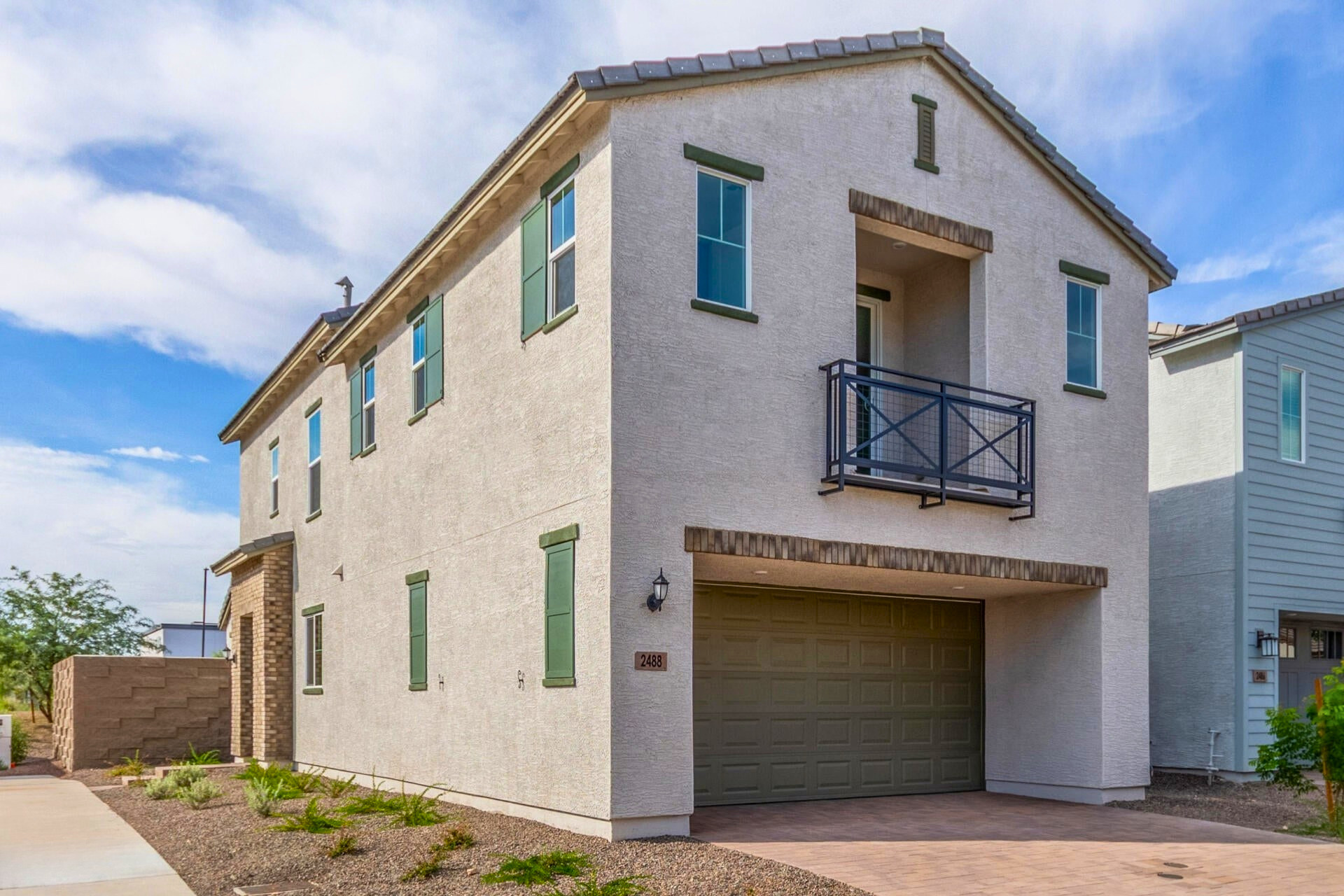
North Phoenix, near TSMC. A high-income tech client bought one of a builder's last spec homes in Union Park at Norterra for $535,000, $79,990 under its $614,990 list price. The builder also funded a 4.75% rate and covered closing costs. The home leased quickly at $3,000 a month. A lower price and a lower rate are exactly what close the rental gap shown in the table above.
“He provided thoughtful guidance on investment strategy, helped me evaluate the numbers and long-term potential.”
Aditi S., North Phoenix · Google review
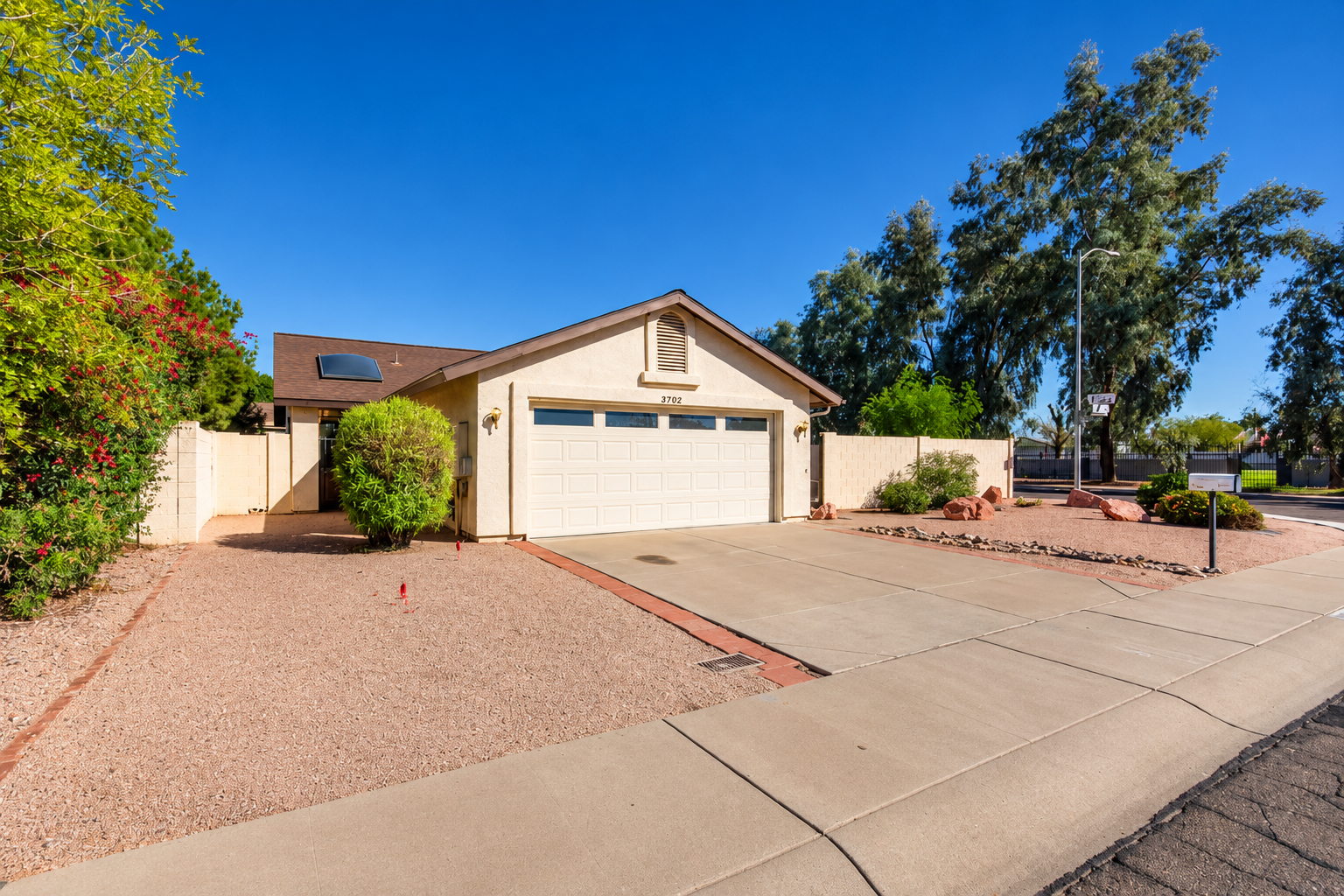
Deer Valley, Phoenix. First-time buyers chose a no-HOA corner lot from an estate sale. They bought it about 10% under list, with closing costs covered and almost nothing out of pocket. With no HOA rental limits and room for an ADU, they can live in it now and later choose a long-term, mid-term or short-term rental.
“He helped us not only find a home but a home that is perfectly suited our needs and wants.”
First-time buyers, Deer Valley · Google review
The timing matters even more for Home A. If you convert it to a rental in year two, its AC, pool and roof replacements land while a tenant is living there. Repairs become urgent, and every July breakdown is your emergency. A home with updated systems makes a calmer rental.
Plan B rules every Phoenix-area owner should know
- The capital gains window. To exclude up to $250,000 of gain ($500,000 for most married couples), you generally need to have owned and lived in the home for two of the five years before the sale. In practice, you can usually rent a former home for up to about three years and still qualify. Depreciation taken while it was a rental is not covered by the exclusion (Nolo). Confirm your situation with your CPA.
- No city rental tax on long-term rentals. Since January 1, 2025, Arizona cities can no longer charge transaction privilege tax on residential rentals of 30 days or more. Stays under 30 days still owe TPT (Arizona Department of Revenue).
- HOA rental rules. Many communities set minimum lease terms, cap the number of rentals or restrict short-term stays. Read the CC&Rs before you buy, not after you move.
- Short-term rentals need more homework. Many Valley cities require STR permits or licenses, and lenders and insurers treat STRs differently. If an STR is part of Plan B, we model it separately. My Arizona short-term rental guide covers the city rules and numbers.
- Your loan. Most owner-occupied mortgages require you to live in the home, typically for at least the first year. Plan B is a later option, not a day-one strategy.
This is where my background in real estate and financial planning comes in. I coordinate with your CPA and financial advisor so the home, the loan and your tax picture all support the same plan.
Get your Plan A, Plan B and Plan C on paper
We'll map your expected hold, your rental fallback and your break-even year before you make an offer.
Book a Holding Plan Strategy CallWhat to watch for in Phoenix, Scottsdale, Buckeye and Goodyear
Phoenix
Phoenix has the widest range of housing ages, from mid-century ranches to new infill. In older neighborhoods I look closely at plumbing, electrical panels, roof history, sewer lines and whether past additions were permitted. Many central Phoenix homes have no HOA, which saves dues but means no one else maintains the exterior.
Scottsdale
Scottsdale homes often carry higher insurance and maintenance costs because of their size and features: larger pools, outdoor kitchens, multiple AC zones and custom roofs. Some communities have significant HOA dues and architectural rules. Luxury features are worth paying for, but each is also a future maintenance line item.
Buckeye
Buckeye is one of the fastest-growing areas in the Valley, home to master-planned communities like Verrado. Newer construction usually means newer systems and builder warranties, which lowers near-term capital costs. My Arizona new construction guide covers the communities and builders. Check the HOA structure, any district charges on the tax bill, commute costs and what a new build still needs after closing, like landscaping and window coverings. Resale homes there can carry big-ticket items too: in Verrado, my clients bought a golf-course home after two other buyers walked away over its roof, and the seller replaced it before closing (case study).
Goodyear
Goodyear mixes established 2000s neighborhoods with newer communities. Homes built during the 2000s boom are reaching the age where original AC systems, water heaters and roof underlayment come due at about the same time. That makes inspection review and negotiation especially important.
Client stories: how this works in real Phoenix-area purchases
The model above is how I analyze homes. These are six recent purchases where it changed what my clients bought, or what they paid.
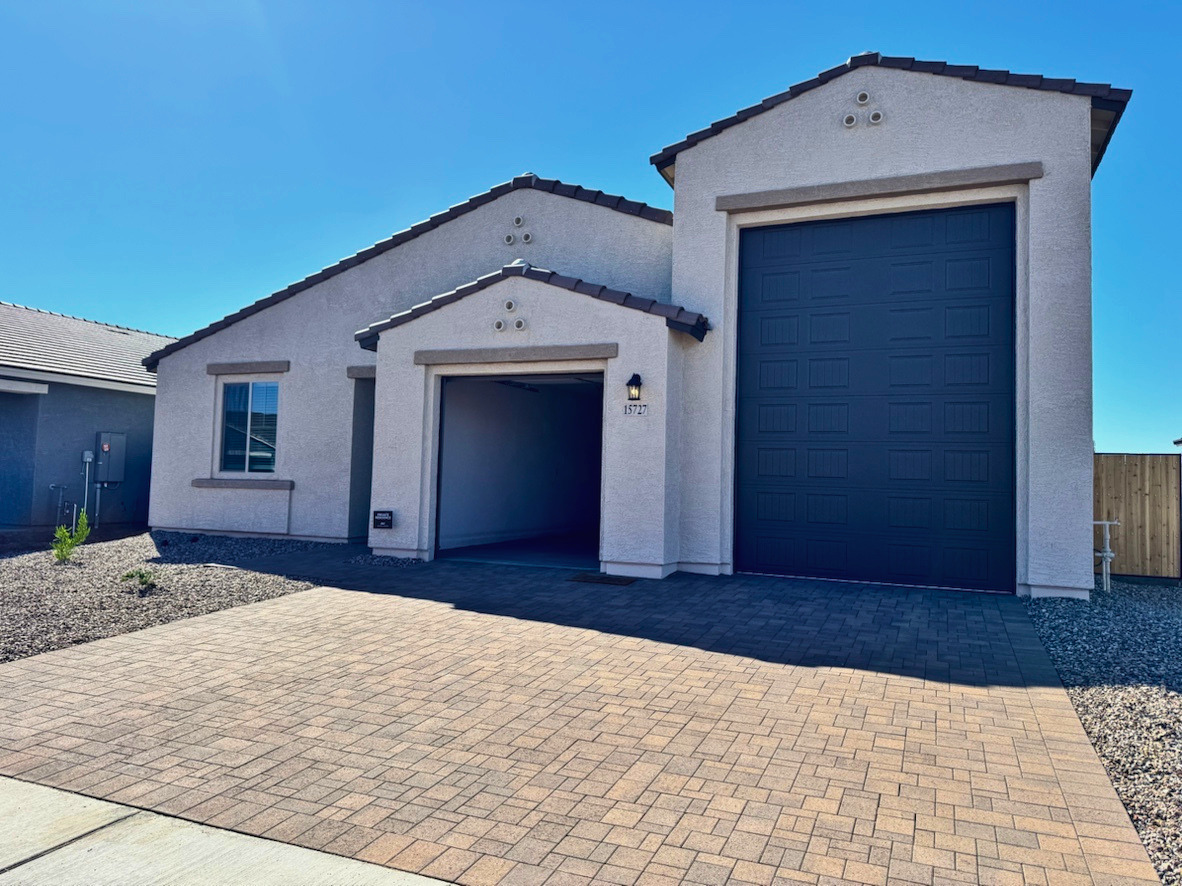
Waddell · Relocation from Nebraska · New construction
New construction beat resale once we compared total cost
~$25K
Instant equity vs. comparable RV-garage homes
$0
Major repairs inherited at closing
RV garage
Ended their off-site storage costs
The situation. My clients were relocating from Nebraska with a clear wish list: a pool, a 3-car garage or RV parking, and a home that was move-in ready. They started with resale homes.
What we found. The same problems kept appearing: aging roofs, HVAC systems at or near the end of their life, dated layouts and backyards that needed costly work. Homes that looked right on paper came with expensive first years.
The decision. We stopped comparing purchase prices and compared total cost of ownership instead. New construction in Waddell came out ahead. It had no major system replacements on the horizon, an RV garage that ended their storage costs, and builder incentives that helped offset a future pool.
The outcome. A brand-new home that checked every box, with roughly $25,000 in instant equity: comparable RV-garage homes nearby were closing about that much higher. The build timeline also lined up with the sale of their Nebraska home.
“His attention to detail and clear communication made the experience smooth and stress-free.”
Ryan H., Waddell · Google review
This is the real-life version of Home C in the 10-year model.
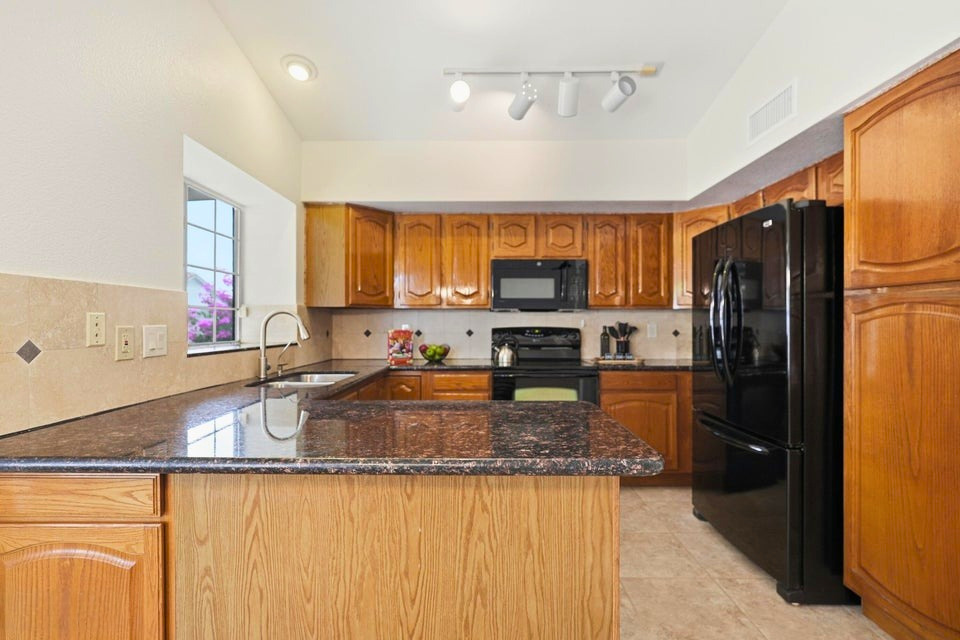
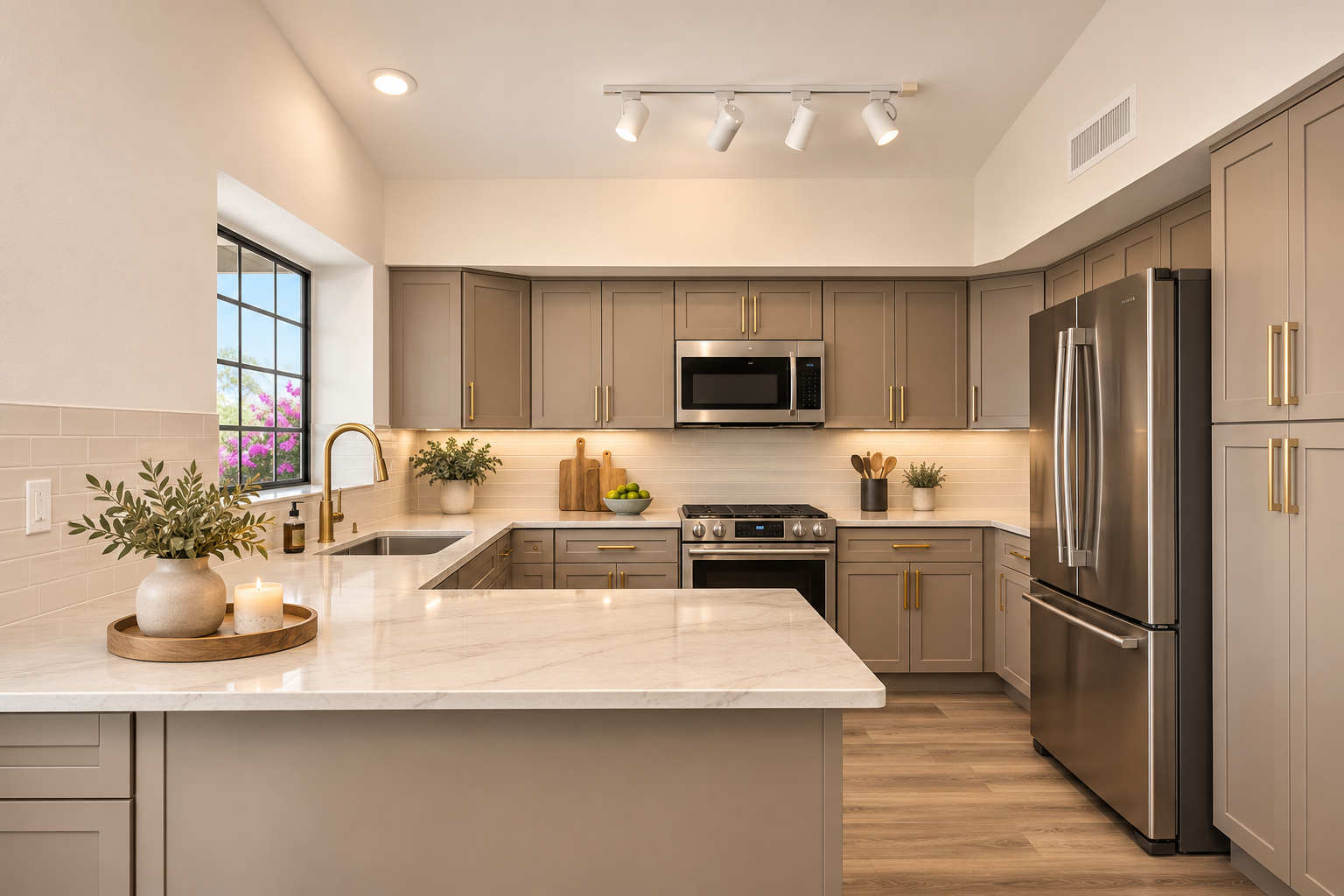
Scottsdale · First-time buyers · Estate sale
A failed roof inspection became $25,000 in seller-paid repairs
$765K
Estate sale price in a $1M+ neighborhood
$25K
Roof, paint and plumbing paid by the seller
$1M+
What renovated homes nearby sell for
The situation. Jamie and Rick came to me as first-time buyers after a frustrating experience with a previous agent. After more than two dozen showings, we found an underpriced Scottsdale estate sale in a neighborhood where renovated homes sell for $1 million or more, and they beat multiple offers to win it.
What we found. The inspection confirmed what we suspected: the roof was shot. For first-time buyers, that would have been a major expense in their first year.
The outcome. After several rounds with the listing agent, the seller paid $25,000 for a full roof replacement, exterior paint and plumbing repairs. Jamie and Rick closed at $765,000 with the home's biggest near-term costs handled before they moved in.
This is reading your inspection as a financial forecast in practice: the roof was a negotiating point, not a deal-breaker.
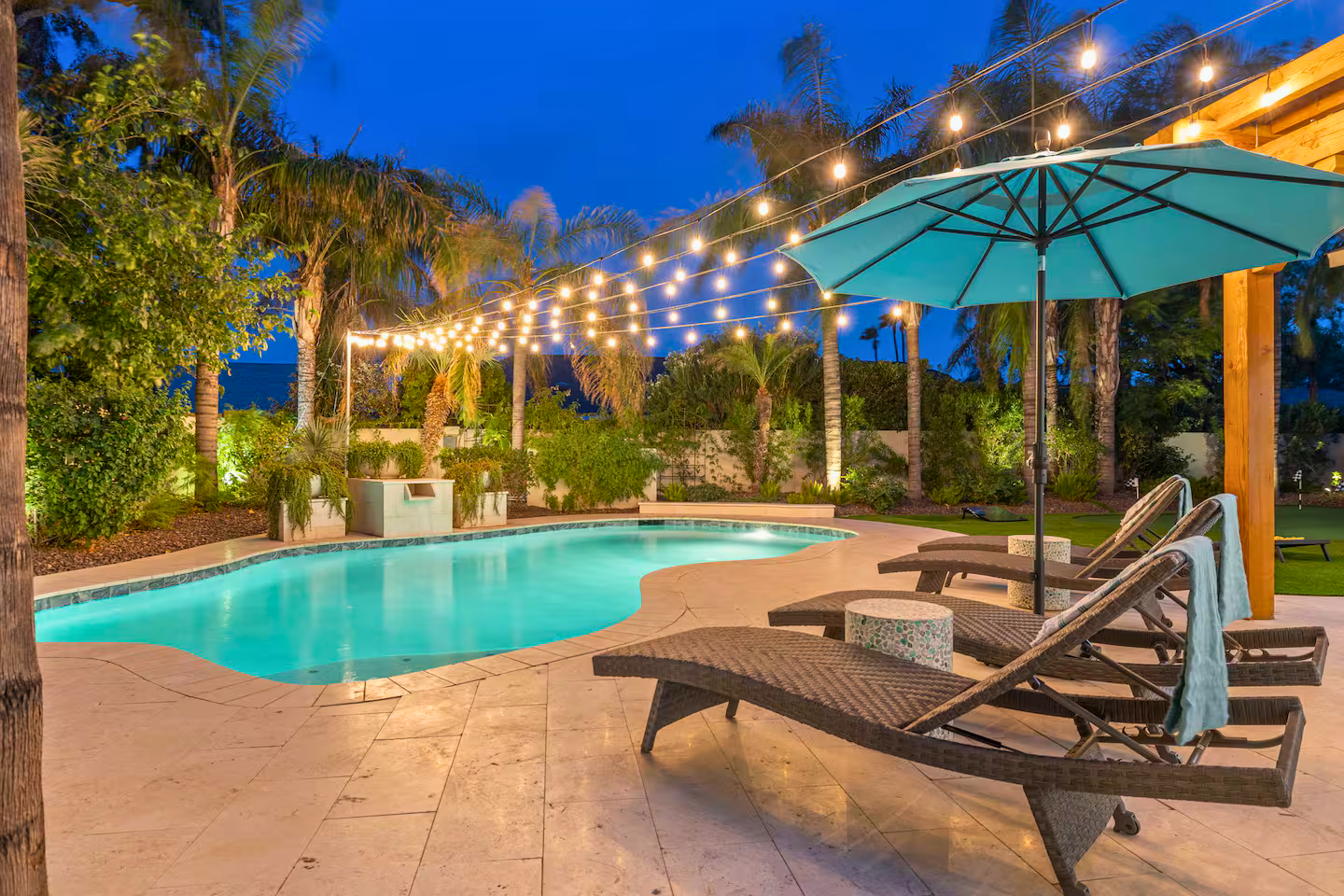
Phoenix · Near the Scottsdale border · Investors from California
A long inspection list became $78,000 in savings
$65K
Negotiated off the asking price
$13K
Additional credit for priced-out repairs
$622K+
Documented renovations already in place
The situation. California investors wanted a fully renovated, turnkey home. On Kings Avenue in Phoenix, just across the line from Scottsdale, we found one with more than $622,000 in documented renovations. Two earlier buyers had already walked away after their inspections.
What we did. Instead of sending the seller a list of complaints, we priced what each item on the punch list would actually cost to fix. Most were smaller than the list made them look.
The outcome. Those numbers supported $65,000 off the asking price plus a $13,000 credit. A $1.3 million ask closed at $1.235 million.
Ready to earn from day one. The home came fully furnished, with the pool, kitchen and game room already done. My clients also took over the existing Airbnb listing, with its guest reviews and the bookings already on the calendar, instead of launching a new listing with no history.
The tax side. Because the renovations were documented, a cost segregation study produced $252,000 in first-year bonus depreciation. That counts toward the cost of owning it too: the purchase price was only part of the math.
“Since we were in California, we relied on Eric for every detail we needed, and he delivered. We were able to make an offer and close on a beautiful home that was fully furnished and ready to rent out immediately.”
Alberto, Kings Avenue · Google review
A punch list that scares off other buyers can be your discount, as long as you know what each item really costs.
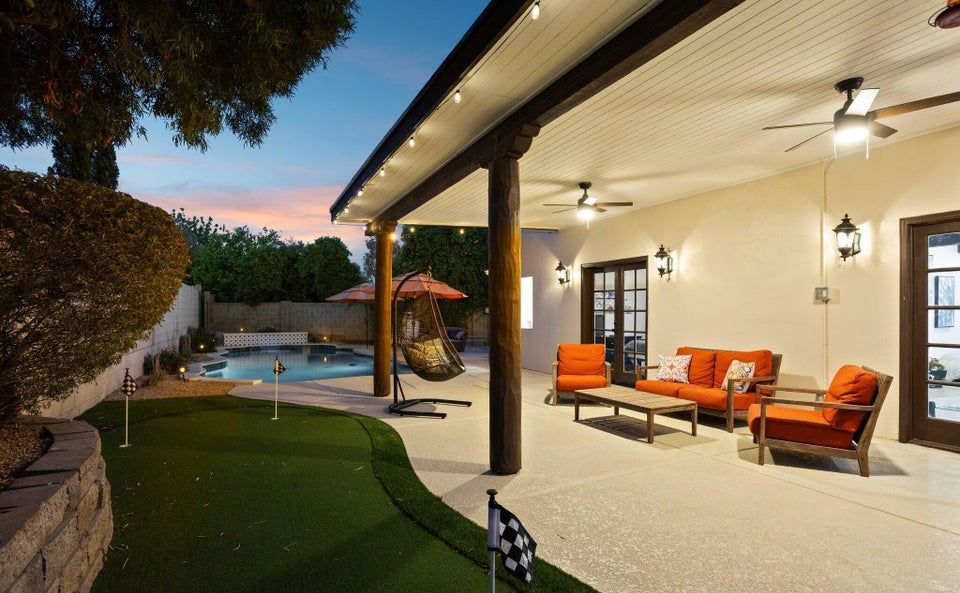
North Scottsdale 85254 · First-time Airbnb investors · Inspection strategy
They walked away from a "turnkey" home and found a better one
4 of 4
Big-ticket systems already replaced by the seller
Furnished
Included in the purchase price
Credits
Funding a 4th bedroom, a bath and a spa
The situation. My clients Kennen and his fellow first-time Airbnb investors had fallen for a home in Scottsdale marketed as "turnkey," and they were ready to move forward.
What we found. The inspection found a leaking shower plus roof, HVAC and foundation issues. The near-term repair bill would have erased the investment case.
The decision. I encouraged them to keep looking. The home they wanted would have handed them the very repair bills this guide warns about.
The outcome. A few weeks later, we found 14621 N 63rd Pl in Scottsdale 85254. The seller had already replaced the roof, rebuilt the pool with a new PebbleTec finish and heater, and replaced the HVAC system and water heater: all four of the costs that ended the first deal. We negotiated a discount, bought it furnished, and seller credits are now funding a 4th bedroom conversion, a bathroom remodel and a spa and sauna.
“We fell in love with a home in Scottsdale and were ready to move forward, but Eric encouraged us to keep looking because he didn't believe it was the right investment. At the time, it was disappointing, but he was absolutely right.”
Kennen S., Scottsdale · Google review
"Turnkey" is a marketing word, not due diligence. The right home is the one where the big-ticket items are already handled, or priced into the deal.
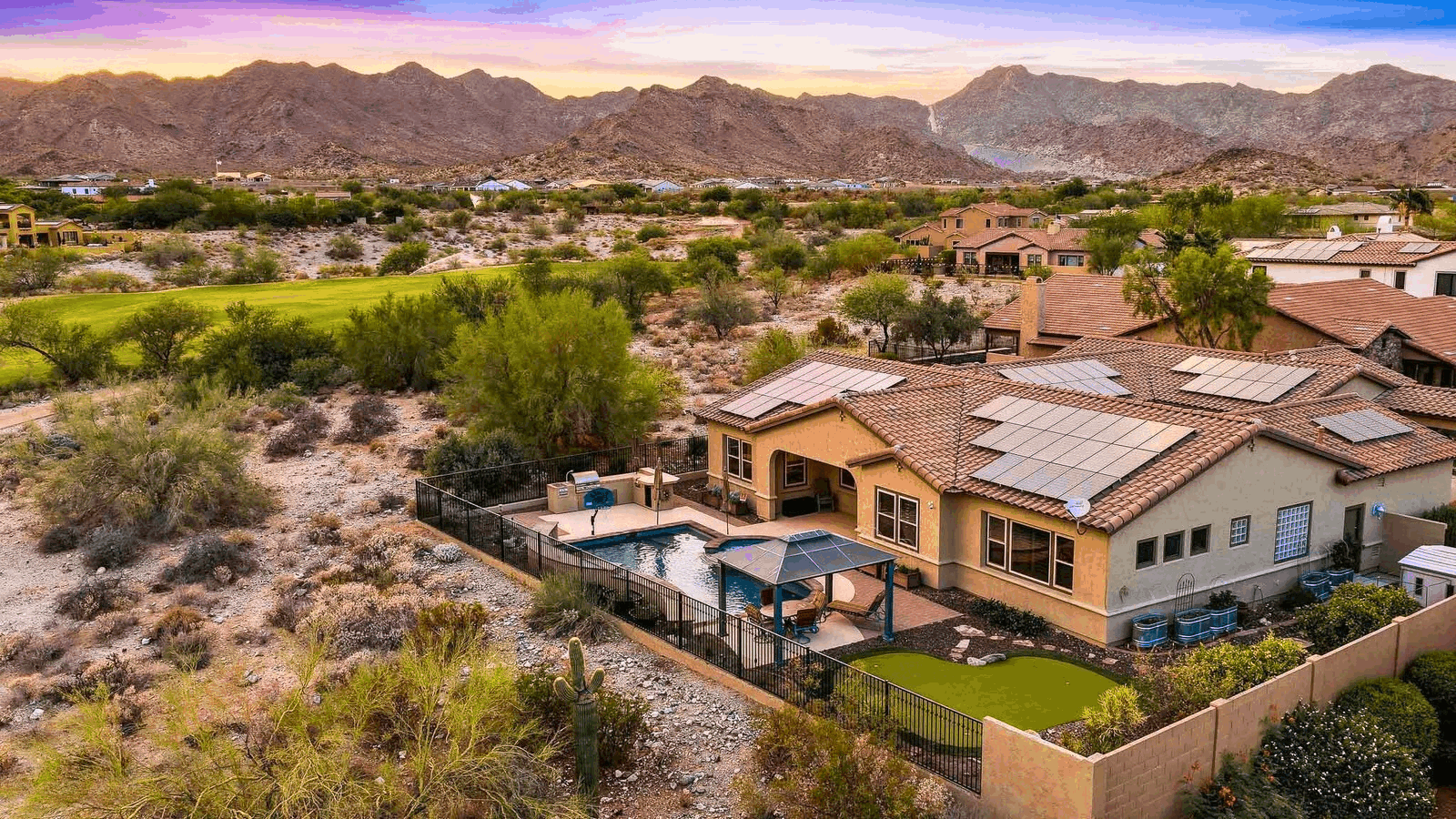
Verrado, Buckeye · Second-home buyers from Oregon · Resale
Two buyers walked away over the roof. We priced it instead.
$980K
Golf-course home, under their $1M ceiling
New roof
Fully replaced by the seller
$33,450
Closing credits, used for cosmetic updates
The situation. An Oregon family wanted a second home in the Phoenix area for under $1 million. In Verrado, we found a single-level golf-course home with a pool and spa, owned solar, a 12,000+ sq ft lot and no rear neighbors. It had already been under contract, and two other buyer groups had backed out.
What we found. The inspection showed the roof needed full replacement, and the interior was dated. Other buyers saw a full remodel. We saw a known, quotable roof cost and an interior that needed a cosmetic refresh, not a gut job.
The decision. We offered strongly on price and asked the seller to handle the roof. The seller replaced it in full and added $33,450 in closing credits, which the buyers put toward new carpet, refinished cabinets, new countertops, flooring and paint.
The outcome. A $980,000 golf-course home with a brand-new roof and owned solar, so no solar payment to take over. Its biggest near-term expense was handled before closing.
“Eric does a great job of listening to our vision of what we wanted in Arizona. He was clear and very knowledgeable of the area and the type of home we wanted. He’s got a great work ethic and got us the home we wanted.”
The buyers, Verrado · Google review
This is the big-ticket systems section in practice: the roof was a cost to price, not a reason to walk away.
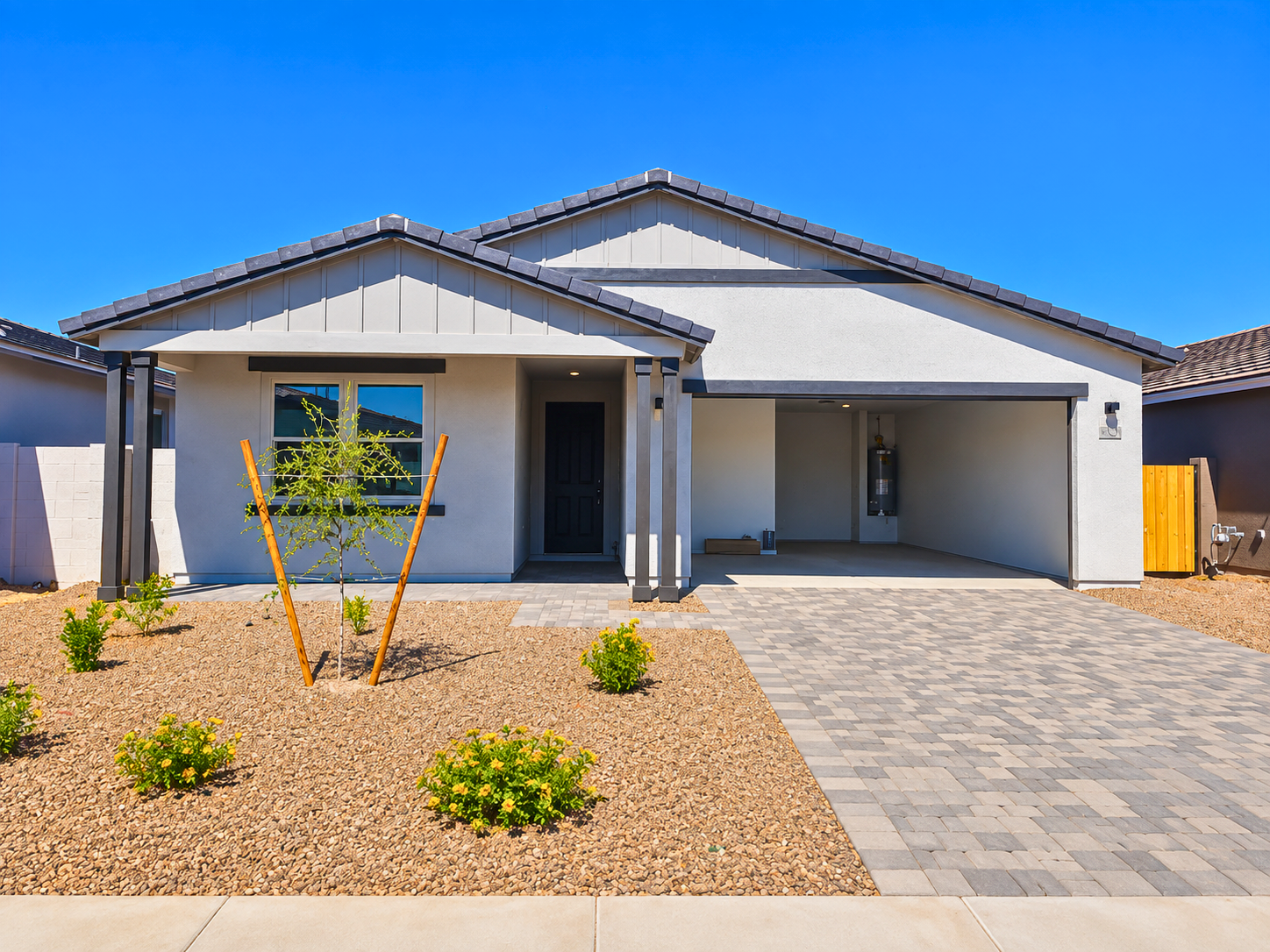
Surprise · First-time buyer · New construction
A first home bought with Plan B already built in
4.25%
Fixed rate
$0
Closing costs, paid by the builder
2nd
Closing in the entire community
The situation. Michelle, a first-time buyer, wanted more than a place to live. Her goal was a home with long-term upside and strong rental potential for when her life changed.
The strategy. We targeted an early phase of a new gated, resort-style community in Surprise. Buying early typically means the best pricing, before builder increases and before comparable sales push values up. She became only the second closing in the neighborhood.
The outcome. A brand-new home with a 4.25% fixed rate, all closing costs paid by the builder, backyard landscaping included and instant equity, with comparable homes in the community already tracking higher. Her low rate and new systems mean that if she moves, the home is positioned to work as a rental rather than a forced sale.
“Eric really took the time to understand what I was looking for, not just for now, but for my future goals as well which I really appreciated!”
Michelle R., Surprise · Google review
This is the Plan A, Plan B and Plan C approach in practice. Notice the landscaping: on many new builds, that is the move-in cost buyers forget to budget for.
Client details are shared with permission. Figures are rounded and reflect each transaction; past results do not guarantee future outcomes. See more on the client wins page.
What my clients say
These are verified Google reviews, shared word for word. Several come from the clients whose stories appear above.
175+
five-star Google reviews from buyers, sellers and investors across the Phoenix metro. Read them on Google
“
Working with Eric was one of the best decisions we made. As first-time Airbnb investors, we had so much to learn, and Eric became so much more than our realtor. He shared his knowledge of the short-term rental market, helped us think through the investment from a long-term wealth-building perspective, and was always incredibly generous with his time and advice.
What I'll always appreciate most is that he truly cared about finding the right property for us, not just helping us buy a house. We fell in love with a home in Scottsdale and were ready to move forward, but Eric encouraged us to keep looking because he didn't believe it was the right investment. At the time, it was disappointing, but he was absolutely right. A short time later, we found the perfect property, one that checked every box.
Eric is thoughtful, honest, incredibly knowledgeable, and genuinely invested in his clients' success.
★★★★★ Kennen S., first-time Airbnb investor, Scottsdale · Google review, 2026 · His story
★★★★★
“I had a great experience working with Eric. He is extremely knowledgeable about the Phoenix area and, beyond just helping me find the right property, brought strong financial acumen to the process. He provided thoughtful guidance on investment strategy, helped me evaluate the numbers and long-term potential, and was there to support me every step of the way. I really appreciated his expertise, responsiveness, and genuine commitment to helping me make the right decision. Highly recommend!”
Aditi S.
Investor, new build near TSMC, North Phoenix · Google review, 2026 · Her story
★★★★★
“Eric Ravenscroft was instrumental in helping my wife and me purchase our new build home. He was knowledgeable, responsive, and guided us through every step of the process with professionalism. His attention to detail and clear communication made the experience smooth and stress-free. We both highly recommend Eric if you are looking to buy or sell your home!”
Ryan H.
New build, Waddell · Google review, 2025 · Their story
★★★★★
“With Eric’s help and guidance, I was able to close on my house in October! He made the entire process so easy to understand by walking me through every step and breaking everything down clearly and thoroughly. Eric really took the time to understand what I was looking for, not just for now, but for my future goals as well which I really appreciated! He’s incredibly detail oriented in everything he does. You can tell he genuinely has his clients’ best interests at heart. His approach truly sets him apart from other realtors. He considers every option and helps you weigh the pros and cons so you can make the best decision possible. I’m forever grateful for the experience and Eric is very highly recommended for anyone that needs it!”
Michelle R.
First-time homebuyer, Surprise · Google review, November 2025 · Her story
★★★★★
“My wife and me finished paying off our debt and decided it was time to buy our first house since we were expecting our first baby into the world. Eric came up recommended and was incredibly helpful and patient in dealing with us since it was our first time buying a home and we didn't know the process very well. He helped us not only find a home but a home that is perfectly suited our needs and wants. It took some searching but Eric was able to get us pull through and get us to closing very quickly! Would highly recommend this real estate group.”
First-time buyers
Deer Valley, Phoenix · Google review · Their story
Reviews are reproduced exactly as written and shared with permission.
Get the full picture before you write an offer
Let's talk through your budget, timeline and the homes you're considering.
Book Your Free ConsultationHow I help clients evaluate the true cost of a home
Before real estate, I spent years as a Director of Wealth Management. That's where I learned to look at every major purchase as part of a larger financial plan, and it's how I approach every home my clients consider. When I help clients buy in the Phoenix metro, we look at each property within the context of their overall financial plan, expected ownership period and goals. A home you'll own for 3 years should be judged differently from one you'll keep for 15.
Before you write an offer
- HOA dues, coverage and transfer fees
- The actual tax bill and district charges
- 12 months of electric bills
- Solar ownership and contract
- Ages of AC, underlayment, water heater, pool surface
- SPDS and CLUE claims report
- Your expected ownership period
- Your written Plan A, Plan B and Plan C
- A 1, 5 and 10-year cost comparison
During the inspection period
- Read the inspection as a 5-year forecast
- Add HVAC, roof, pool or sewer specialists
- Get a real insurance quote
- Review HOA budget and reserves
- Price replacements with local bids
- Decide: repairs, credit, price change or walk
After closing
- Confirm owner-occupied tax classification
- Schedule AC and pool maintenance before summer
- Start a home reserve fund for known items
Included with your strategy call
The 1, 5 & 10-Year Home Cost Worksheet
The same worksheet I use with clients. We fill it in together on a call, using the homes you are actually considering, and you keep the completed copy with your Plan A, B and C.
Book a call to get your worksheetFrequently asked questions
What is the true cost of owning a home in Phoenix?
It includes the purchase price plus property taxes, insurance, HOA dues, utilities, any solar payments, routine maintenance and the eventual replacement of major systems like the AC, roof underlayment and pool equipment. Phoenix's climate shortens the life of several of those systems.
How much should I budget for maintenance on a Phoenix home?
A common rule of thumb is 1% to 2% of the home's value each year. Older homes, homes with pools and homes with aging AC systems often need the higher end of that range.
How long does an air conditioner last in Phoenix?
Many Phoenix HVAC sources estimate roughly 8 to 15 years, compared with 15 to 20 years in milder climates. Maintenance, installation quality and sun exposure all matter.
How much are property taxes in Maricopa County?
Published estimates put the effective rate at roughly 0.44% to 0.58% of market value. Your actual bill depends on the parcel's tax and school districts, so check the specific property's tax history.
Why is homeowners insurance so expensive in Arizona now?
Premiums have risen in recent years, and averages vary widely by source and coverage. Roof age, home systems, a pool and the property's claims history all affect your rate. Get a real quote during your inspection period.
Should I buy a house with leased solar panels?
It can work, but read the contract first. You'll need to qualify to take over the lease, payments may rise each year, and lenders may count the payment toward your debt-to-income ratio.
Is a cheaper house always the better deal?
No. A lower-priced home needing major replacements soon can cost more over your ownership period than a slightly higher-priced home where that work is done. Compare price plus expected near-term costs.
Can I negotiate based on the age of the AC or roof?
Often, yes. A contractor's estimate showing a system is near the end of its useful life can support a request for a credit or price adjustment. The outcome depends on the market and the seller.
Does a home warranty cover an old AC unit?
Some warranties cover HVAC repair or replacement, but many have caps, exclusions and service fees. A warranty helps, but it usually isn't a substitute for budgeting for replacement.
How do HOA fees affect what I can afford?
Lenders include HOA dues in your monthly housing payment when calculating what you qualify for. A $250 monthly fee can reduce your buying power by tens of thousands of dollars, depending on your rate.
How do you compare two homes over 5 and 10 years?
Add up mortgage interest, property taxes, insurance, HOA dues, utilities, routine upkeep and expected replacements for each year you plan to own the home. Then account for appreciation, principal paydown and selling costs. In our Phoenix example, a $725,000 home with updated systems cost about $53,000 less to own over five years than a $700,000 home that needed them.
Can I turn my Phoenix home into a rental later?
Often, yes, but check three things before you buy: whether HOA rules allow rentals and what minimum lease terms apply, whether expected rent covers your costs at your loan terms, and how long you could carry any shortfall. Most owner-occupied loans also require you to live in the home, typically for at least the first year.
Do I lose the capital gains exclusion if I rent out my former home?
Not necessarily. You generally need to have owned and lived in the home for two of the five years before you sell, so you can usually rent it for up to about three years and still qualify for up to $250,000 ($500,000 for most married couples) of excluded gain. Depreciation claimed while it was a rental is not covered by the exclusion. Confirm with your CPA.
Do Arizona cities tax long-term rental income?
Not since January 1, 2025. Arizona cities can no longer charge transaction privilege tax on residential rentals of 30 days or more. Short-term stays under 30 days still owe TPT.
Is it cheaper to buy a new build or a resale home in Phoenix?
It depends on the builder incentive, the tax bill and the resale home's condition. In our example, a $725,000 new build with a builder rate buydown to 5.25% cost about $119,000 less to own and then sell over 10 years than a $700,000 resale needing major replacements. A smaller incentive or higher district taxes would narrow that gap.
Is it better to rent or buy in Phoenix?
Over 10 years in our example, buying a $725,000 home came out ahead when it appreciated more than about 4.1% a year, because West Valley rents for a home that size are low relative to its price. Below that, a renter who invested the down payment and the monthly difference finished ahead. Buying below market, a lower rate or a lower-priced home brings that break-even down. The numbers also leave out control over your housing costs and the property, the tax benefits of owning, and the freedom to sell or rent the home out later. Buying generally favors people who stay at least five to ten years and keep their ownership costs predictable.
About the author: Eric Ravenscroft
Eric Ravenscroft
Real Estate Advisor & Former Director of Wealth Management · Owner, The Ravenscroft Group at Real Broker · Elite Agent, Real Broker · AZ License #SA691304000
Eric Ravenscroft brings 15+ years of real estate and financial and tax planning experience to the Greater Phoenix Metro. As owner of The Ravenscroft Group at Real Broker, he's ranked among the Top 100 agents across the Greater Phoenix Metro by Real Producers and is a Top 1% Elite Agent across North America with Real Broker.
Before real estate, Eric served as a Director of Wealth Management, building financial plans for high-income families and business owners. That experience shapes every purchase he guides. A home is often a family's largest asset, so he analyzes it the way a financial planner would: total cost of ownership, 1, 5 and 10-year projections, tax impact, and a written Plan A, Plan B and Plan C before an offer is ever made. The method in this article is the one he uses with every client.
Eric coordinates early with each client's CPA, financial advisor and, when needed, qualified intermediary, so the property, the financing and the tax strategy all point the same direction. He specializes in new construction, California-to-Arizona relocation, 1031 exchanges, short-term rental and investment property, 55+ and golf communities, and tax-advantaged real estate strategy. He has closed more than $100 million in residential sales, helped clients create more than $152 million in long-term wealth and realize more than $22 million in tax savings, and earned more than 175 five-star reviews.
His analysis has been featured in the Wall Street Journal, MarketWatch, Morningstar, MSN Money and The Residential Specialist. He is a preferred real estate partner for clients of USAA, Chase, SoFi, PennyMac, Citibank and other major financial institutions, and hosts the podcast The House of Ravenscroft. Read his full background and see results in his client wins and case studies.
Awards & recognition
Top 100 Greater Phoenix Metro
Real Producers
Top 1% Elite Agent
North America · Real Broker
Platinum Producer
2022 – 2025
President's Club
2021 – 2025
Arizona MVP | Elite Agent
2021 – 2025
Designations & credentials
- CRS – Certified Residential Specialist
- GRI – Graduate, REALTOR® Institute
- ABR® – Accredited Buyer's Representative
- MRP – Military Relocation Professional
- SRES® – Seniors Real Estate Specialist
- RSPS – Resort & Second-Home Property Specialist
- Former Director of Wealth Management · 15+ years in real estate and financial and tax planning
- Licensed in Arizona, #SA691304000 · Host, The House of Ravenscroft podcast
How Eric helps
Buyers
Total cost of ownership analysis, 1, 5 and 10-year projections, inspection strategy and a written holding plan.
Buyer resources →Sellers
Pricing and preparation strategy built on what today's buyers and their inspectors will find.
Get a pricing strategy →Investors
STR, mid-term and long-term rentals, 1031 exchanges and depreciation strategy coordinated with your CPA.
Real estate & financial planning →(480) 269-5858 · eric@theravenscroftgroup.com · theravenscroftgroup.com
Instagram · Facebook · LinkedIn · Podcast on Spotify · Google reviews
Book a Strategy Call with Eric Call (480) 269-5858Trusted by
Phoenix's preferred agent for leading financial institutions
Eric is a preferred real estate partner for clients of USAA, Chase, SoFi, PennyMac, Citibank, Citizens, Huntington, Fifth Third and other major institutions.








Related reading from The Ravenscroft Group
Ask the better question before you buy
Join the 175+ clients who've left five-star reviews. Whether you're buying your first home in Goodyear, moving up in Scottsdale, building in Buckeye or searching in Phoenix, I'll help you compare homes on what they really cost.
Book Your Free Buyer Strategy CallThis article is for general educational purposes and is not legal, tax, insurance or financial advice. The 1, 5 and 10-year projections and rental figures are illustrative models, not predictions; actual costs, rents and appreciation will vary. Cost figures are approximate published ranges as of November 2026 and vary by property and contractor. Consult a licensed professional for your situation. Eric Ravenscroft, REALTOR®, AZ License #SA691304000 · The Ravenscroft Group at Real Broker.
Sources
- MoneyGeek: Homeowners insurance in Arizona
- NerdWallet: Arizona home insurance
- US Tax Tools: Maricopa County property tax
- Property Tax Almanac: Maricopa County
- HVAC Project Cost: Phoenix HVAC replacement
- Angi: AC installation cost in Phoenix
- Angi: Furnace and AC replacement in Phoenix
- ServiceMaster: Roof underlayment in Phoenix
- Angi: Roof replacement cost in Phoenix
- Angi: Pool resurfacing in Phoenix
- Angi: Pool repair cost in Phoenix
- InMaricopa: Leased solar and resale
- Arizona Daily Star: Buying a home with solar
- Arizona Department of Revenue: Residential rental guidelines
- Nolo: The $250,000/$500,000 home sale tax exclusion
Categories
- All Blogs (335)
- Active Adult & 55 Plus Communities (17)
- Arizona Relocation Guides (34)
- Buyers (224)
- Financial Planning (66)
- General Real Estate (151)
- Income From Real Estate (65)
- Market Update (26)
- New Construction (30)
- News, Updates and Coming Soon (57)
- Real Estate Agent Financial Planning (23)
- Real Estate Investing (105)
- Sellers (108)
- Vacation and Short Term Rentals (47)
Recent Posts



About the Author
Eric Ravenscroft is a Top 1% REALTOR® across North America and one of Arizona’s most trusted real estate strategists. With 15 years of experience spanning real estate, wealth management, and investment planning, he helps clients make smarter, financially grounded decisions, from new construction and relocations to STR investments, 1031 exchanges, and long-term portfolio strategy.
Eric’s expertise has earned him industry recognition, Elite status with Real Broker, and features in major publications including the Wall Street Journal, MarketWatch, MSN, and Morningstar. Clients across the Greater Phoenix Metro rely on his clarity, strategic insight, and results-driven guidance.
Ready to make a confident real estate move? Call or text Eric today.