
The Scottsdale STR Loophole in Action: The House That Wasn't Marketed as an STR
The Scottsdale STR Loophole in Action:
The House That Wasn't Marketed as an STR
How a California W-2 household used a motivated seller, four seller-paid capital repairs, and a bonus depreciation strategy to acquire a North Scottsdale short-term rental in the 85254 corridor.

Published July 5, 2026 · Reflects tax law current as of publish date
Built Around a Tax Strategy, Not Just a House
My clients are high-income W-2 earners based in California — the kind of household where a large share of every paycheck disappears to federal and California state tax before it ever hits a bank account. They were referred to me specifically because I work with buyers trying to use real estate tax strategy to reduce their tax burden while building an appreciating asset.
That's an important distinction. Most agents can show you a house. Very few spend time on:
- How the IRS treats short-term rental income differently from long-term rental income
- What material participation actually requires, hour by hour
- How a cost segregation study interacts with bonus depreciation
- Which Scottsdale lot types and HOA structures will — and won't — support an STR long-term
- Which renovation choices move the needle on nightly rate versus what just looks nice in photos
From our first conversation, we weren't just touring houses. We were breaking down submarkets and talking through the physical and financial red flags that trip up first-time STR buyers — especially out-of-state buyers who won't be walking these properties every week themselves.
The Deal We Walked Away From
Early in the search, we went under contract on a home that looked like a slam dunk on paper — a genuinely turn-key short-term rental, already furnished, already generating income.
Then the inspection came back.
- → Shower leaking through the wall into the garage
- → Roof issues
- → HVAC issues
- → Foundation issues
The seller wasn't willing to address the big-ticket items. This is exactly why a thorough, experienced home inspector is non-negotiable on any STR purchase — a property that needs to perform financially from month one, not sit in repair limbo. I couldn't let my clients close on a house with that level of deferred maintenance, no matter how attractive the "turn-key" label looked. We walked.
"Turn-key" is a marketing word, not a guarantee. Walking away from that contract wasn't a setback — it's what led us to something better.
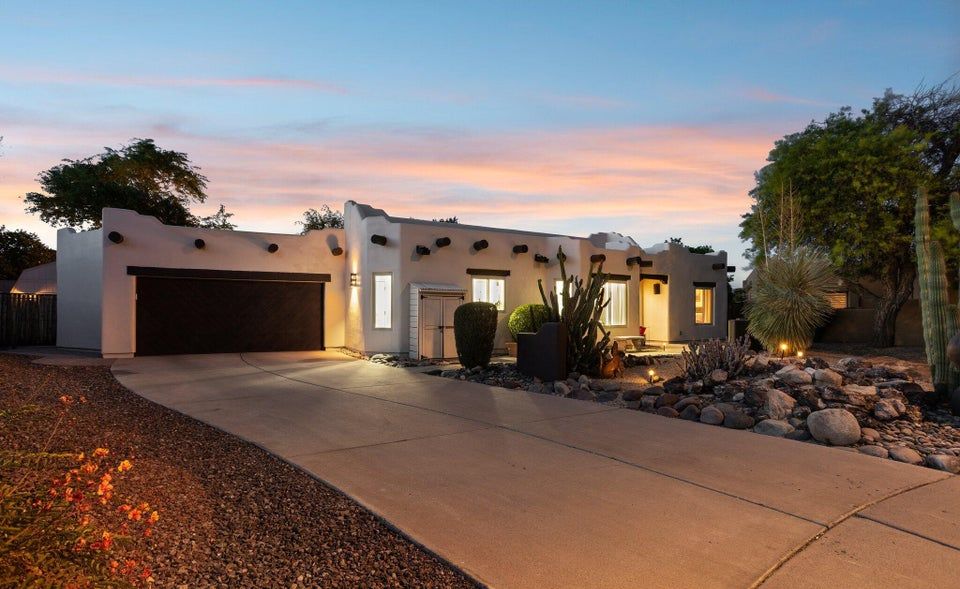
14621 N 63rd Pl: A Primary Residence With Untapped STR Potential
It wasn't an existing short-term rental, and it wasn't marketed as one. It was somebody's home — a well-loved primary residence with a smaller lot and tired listing photos. What it had underneath that was the layout, the location, and the bones to become something much bigger.
A few weeks after we walked from the first deal, this property came onto our radar. It was still owner-occupied — a primary residence, not a former or current rental of any kind. Smaller lot than the last deal we'd looked at. Listing photos that didn't do it any favors. But underneath that, the fundamentals were excellent, and the STR conversion potential was significant: an oversized garage, a large backyard with room for a spa and sauna, and a layout that could support a fifth bedroom.
The seller's motivation worked in our favor. They needed to move closer to the other side of the Valley and were motivated to close — leverage that doesn't exist when you're competing for a picture-perfect, fully staged turn-key listing.
The seller had already paid for the expensive stuff. Before we ever wrote an offer, the roof, the pool, the HVAC system, and the water heater were all already replaced — the exact categories of deferred maintenance that killed our previous escrow, here handled by the seller's checkbook instead of my clients'.
We negotiated a discount, and the seller agreed to include the furniture as part of the sale — a meaningful bonus for buyers planning an STR conversion, since it meant no second, separate check for furniture and staging before my clients could begin operating the property. On top of that, seller credits are now funding a fifth-bedroom conversion, a bathroom transformation, and the start of a spa and sauna build-out. None of this came from an existing STR operation — it came from a well-negotiated primary-residence purchase with the right bones for one.
14621 N 63rd Pl, Scottsdale, AZ 85254
Each line item reduced a different risk categorySix Conversions, One Hybrid Living Concept
From the oversized garage to the backyard shed, every underused corner of this property is being turned into usable, bookable, photograph-worthy space.
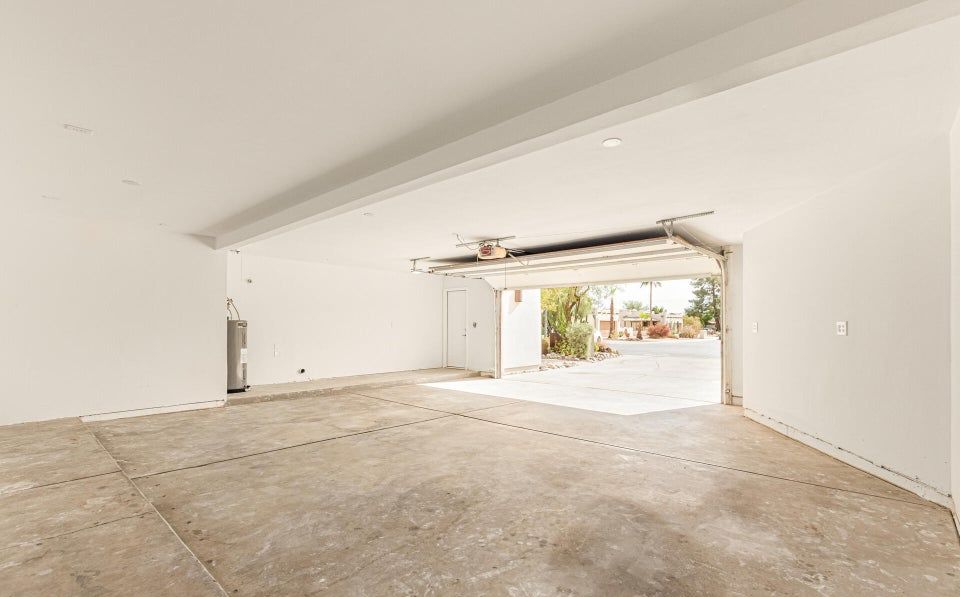
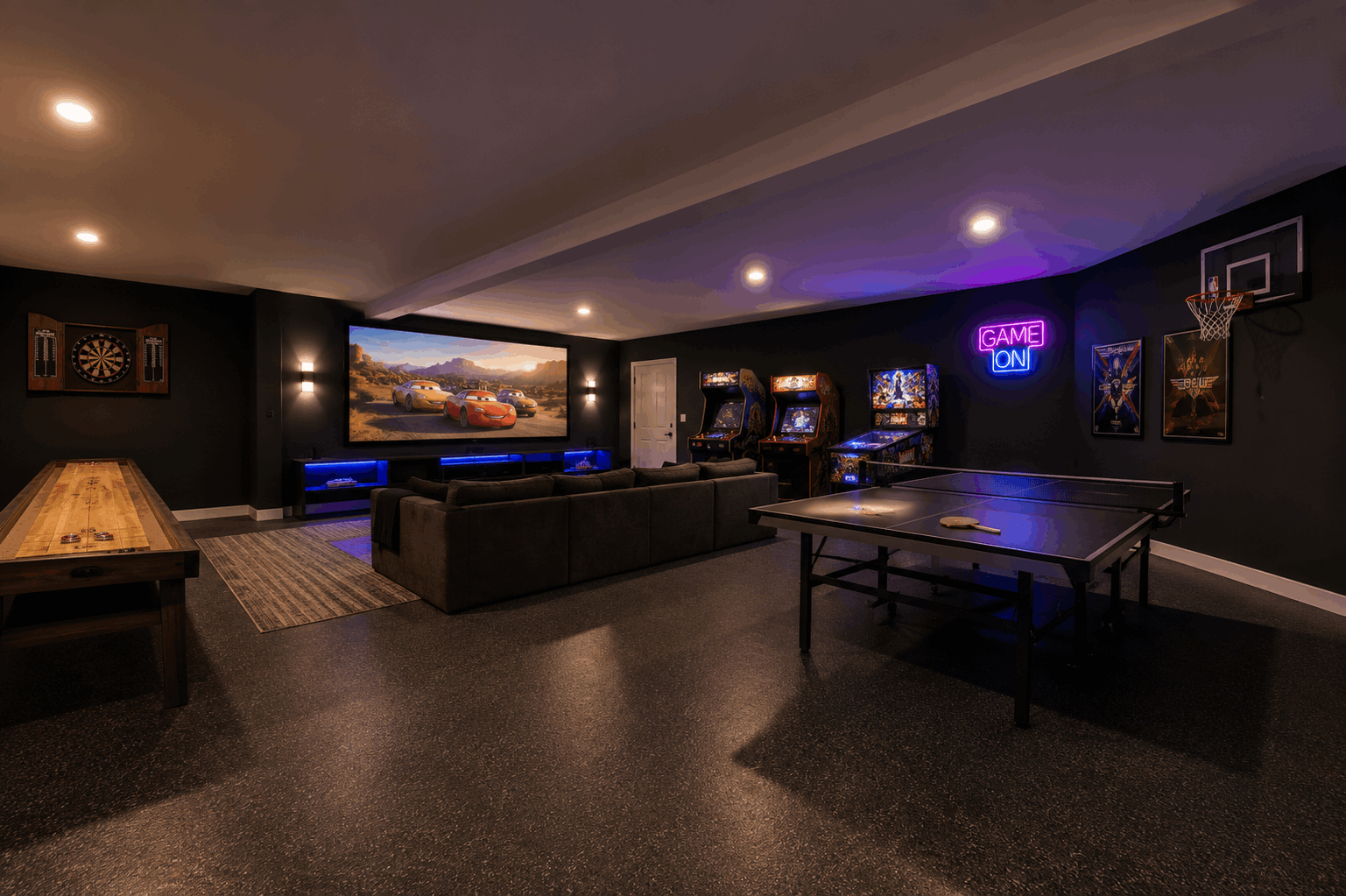
Garage → Game Room / Movie Room
750+ sq ft, 3-car garage transformed into a hybrid entertainment space.
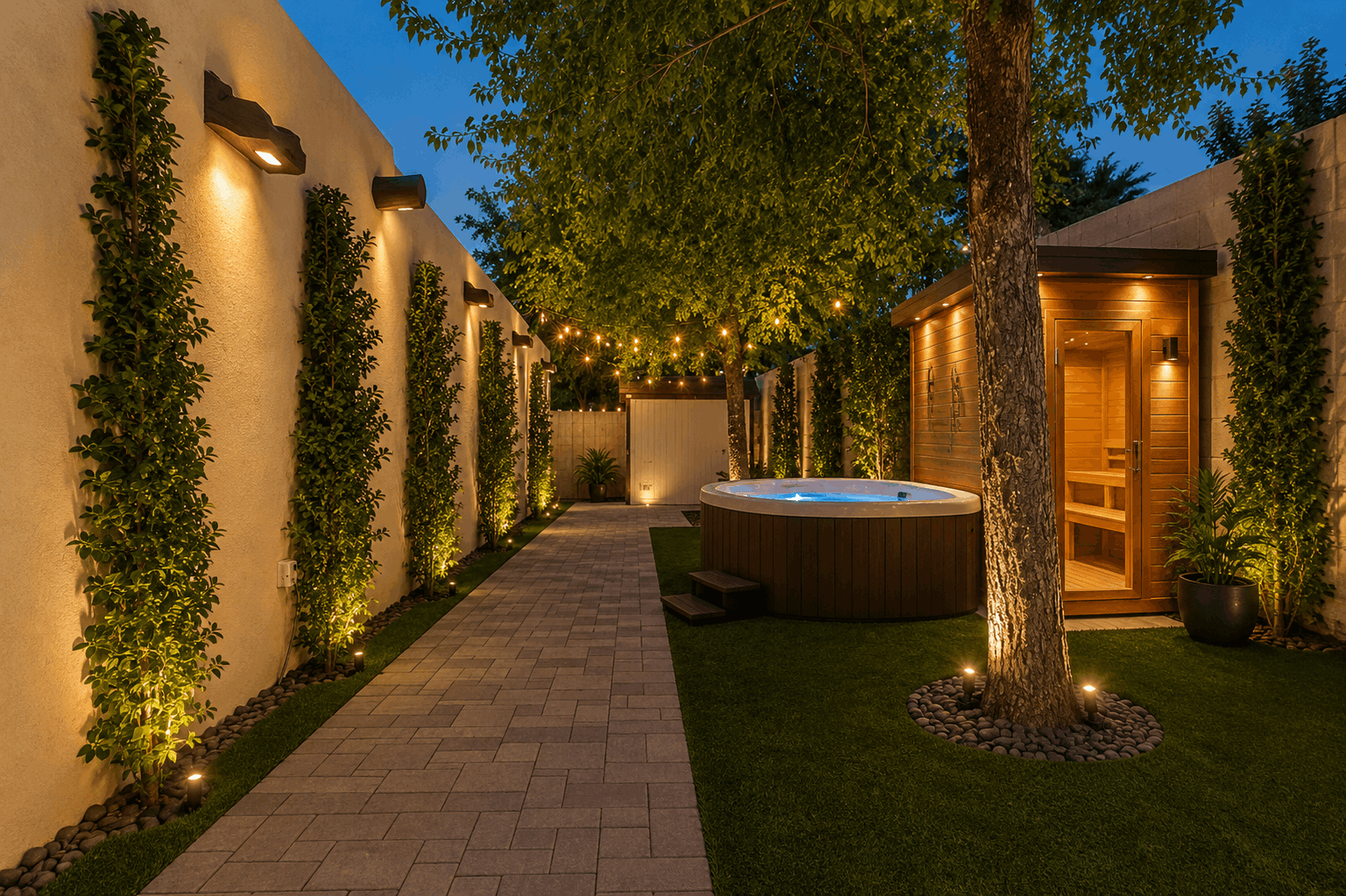
Backyard Spa + Sauna
New resort-style wellness addition funded in part by seller credits.
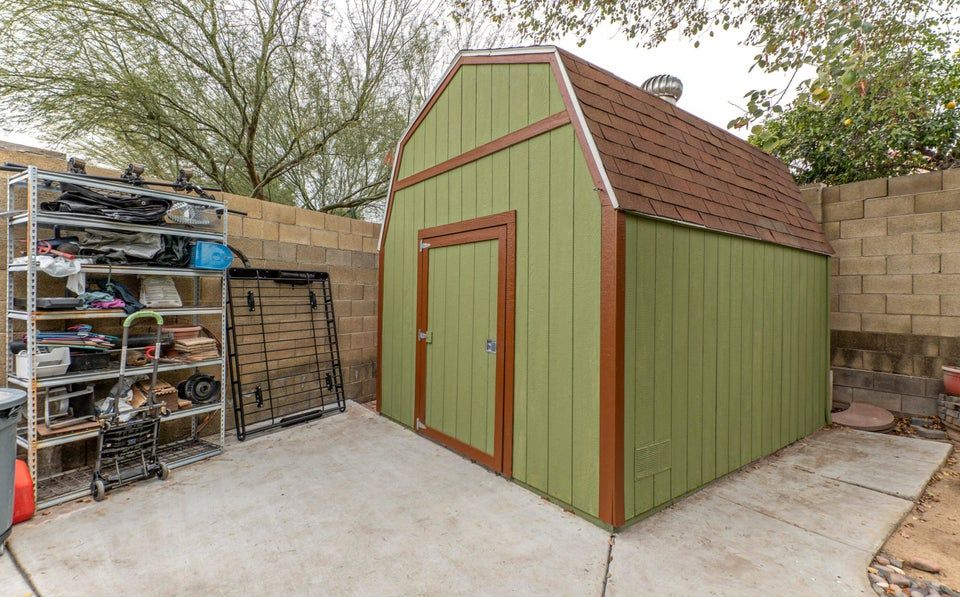
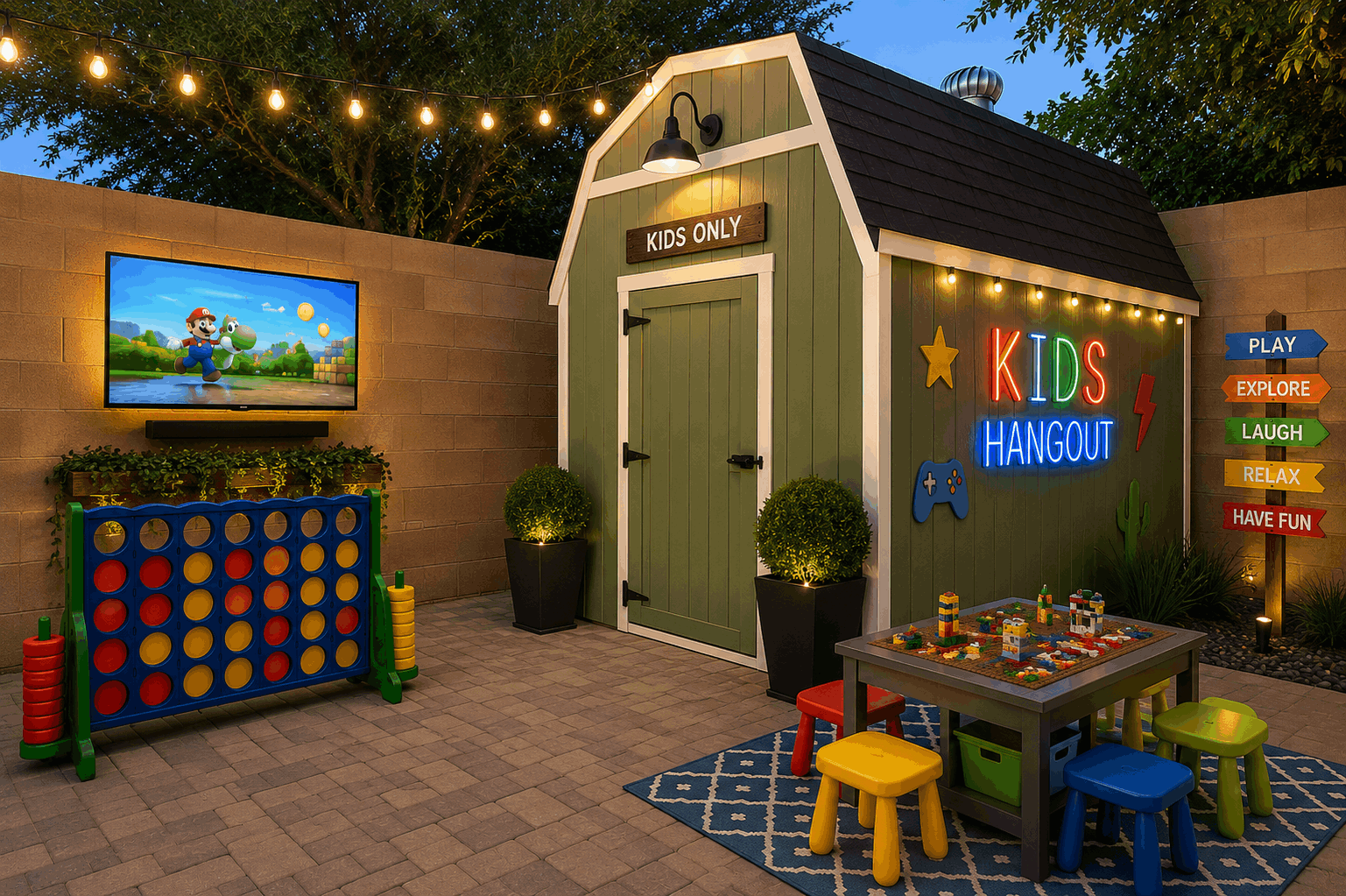
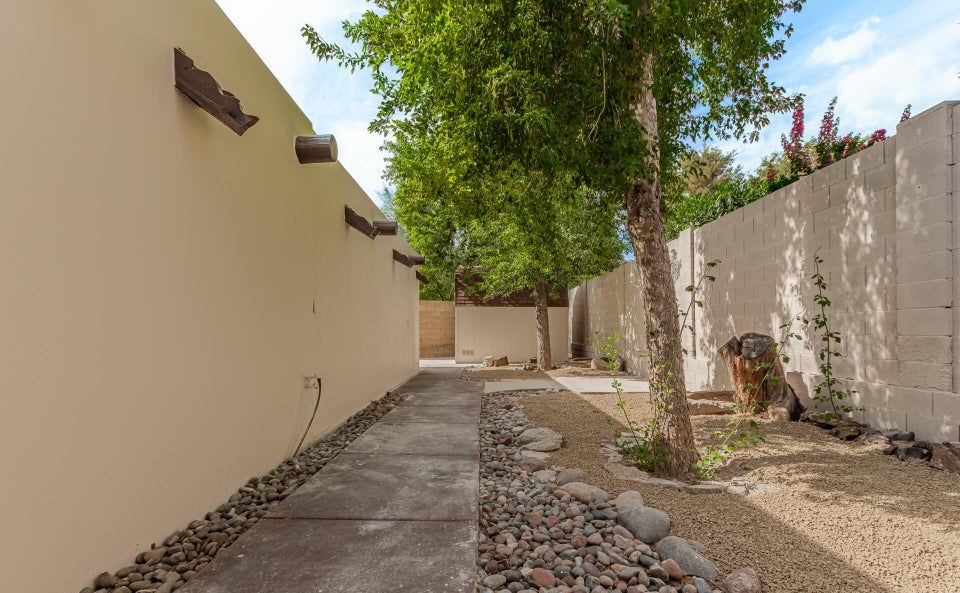
Shed → Kids' Playroom
Private hangout and play space conversion, exterior view.
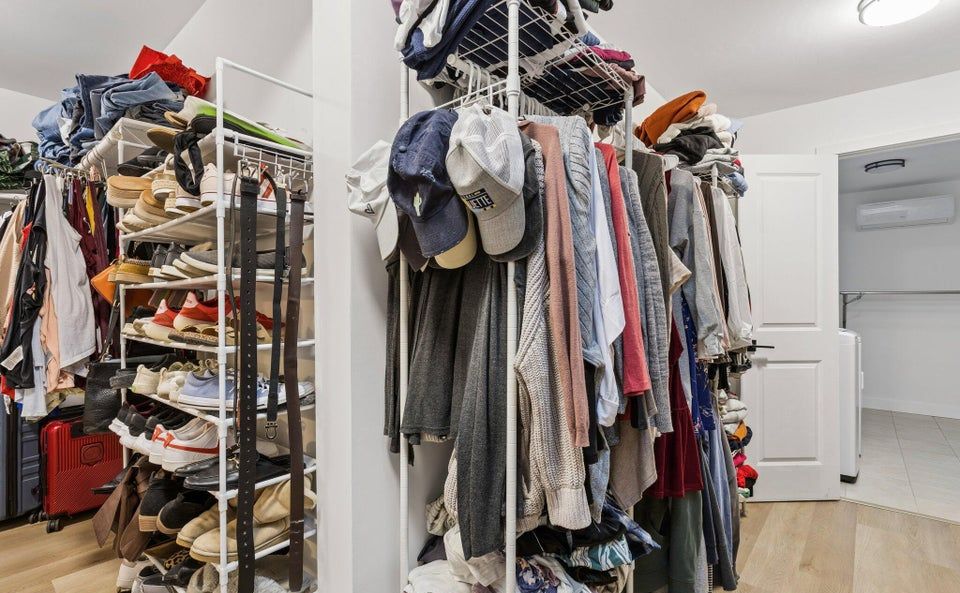
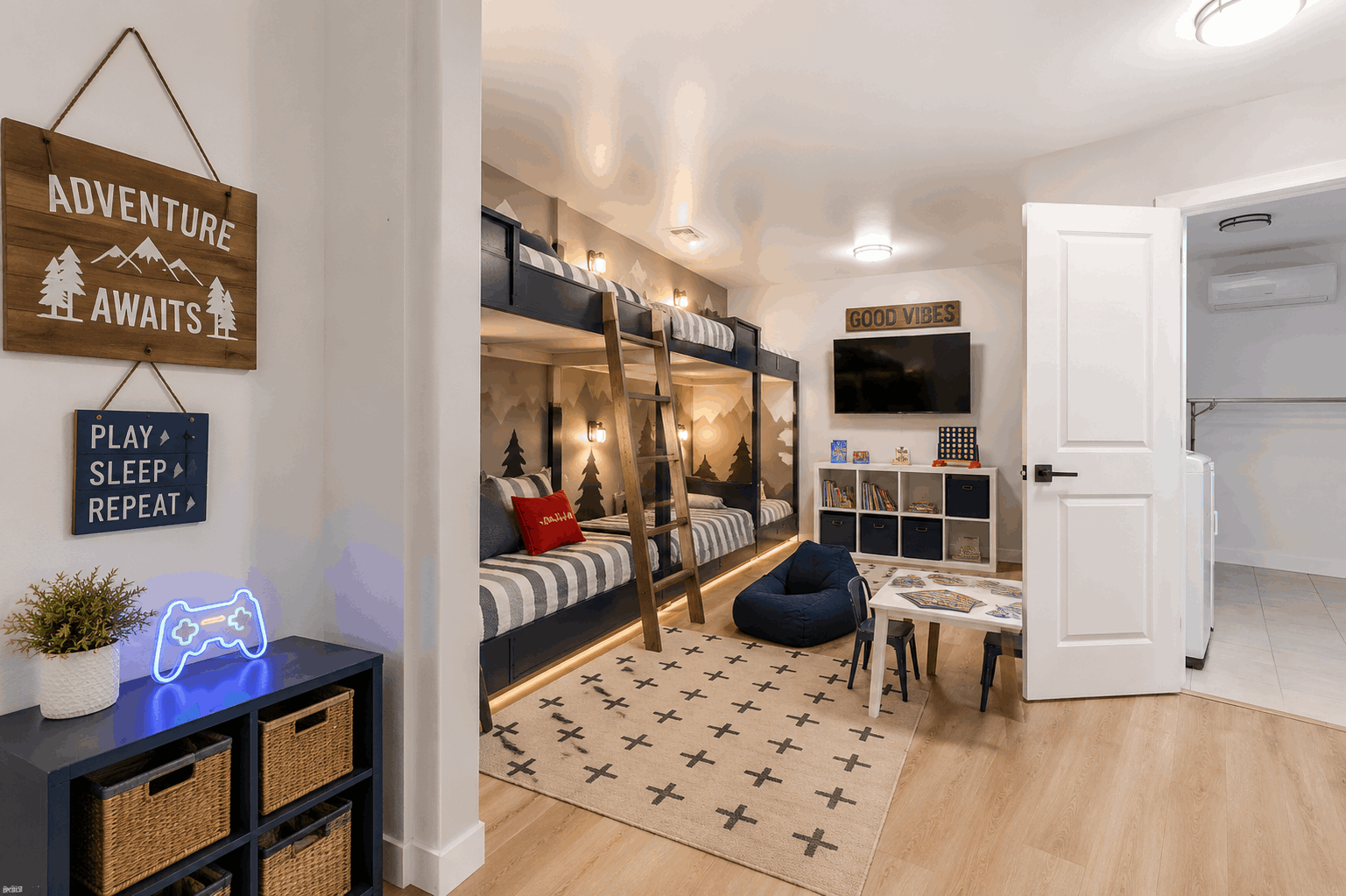
5th Bedroom Conversion
Closet/flex space reworked into a fifth bedroom, up from the home's original four.

Shed interior, finished — the completed playroom and hangout space.
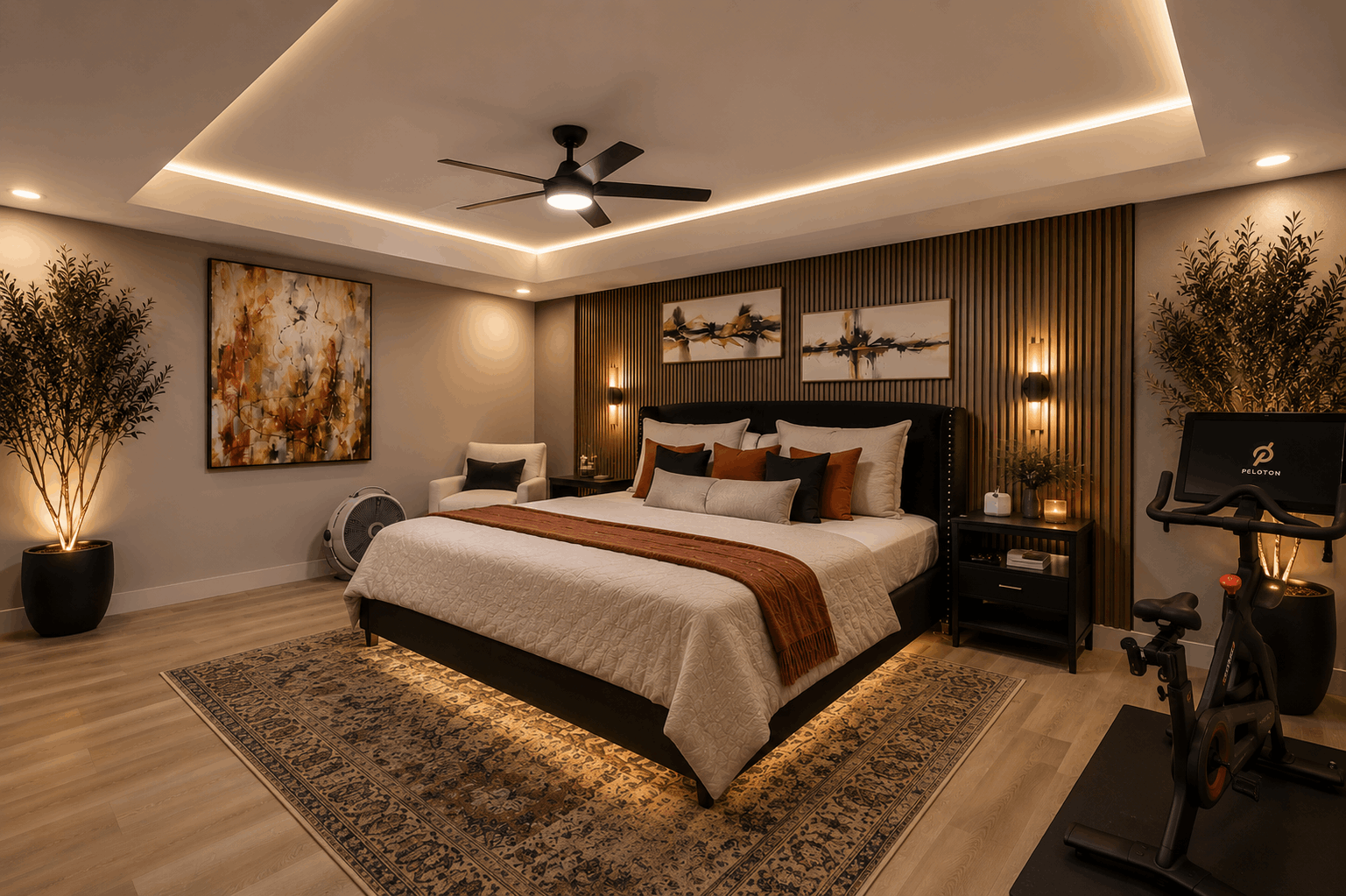
Primary suite refresh rendering — planned as part of the seller-credit-funded scope.
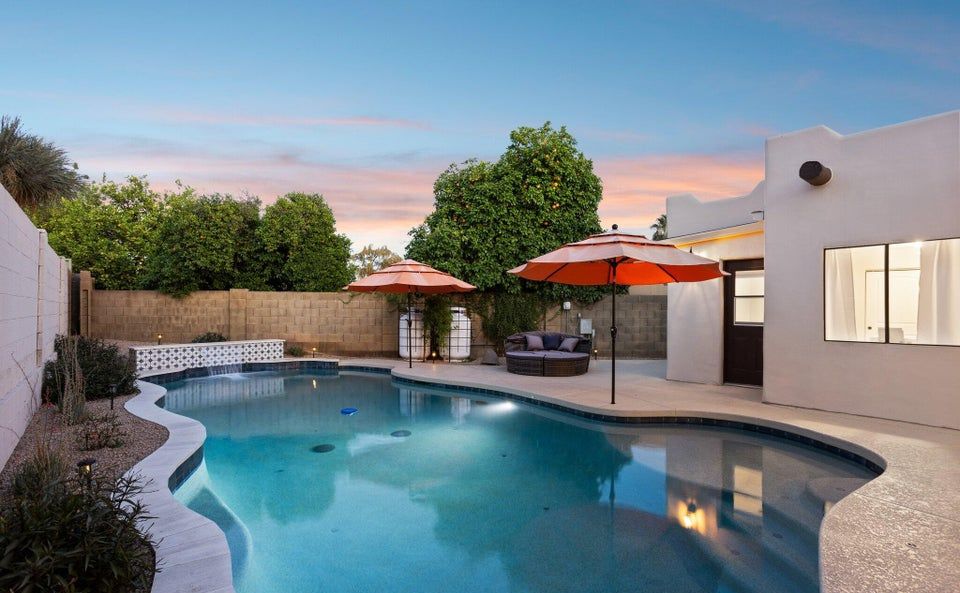
Pool Area — Today
The self-cleaning, heated PebbleTec pool the seller rebuilt before close.

Pool Area — What's Next
Planned enhancements to the outdoor entertaining space.
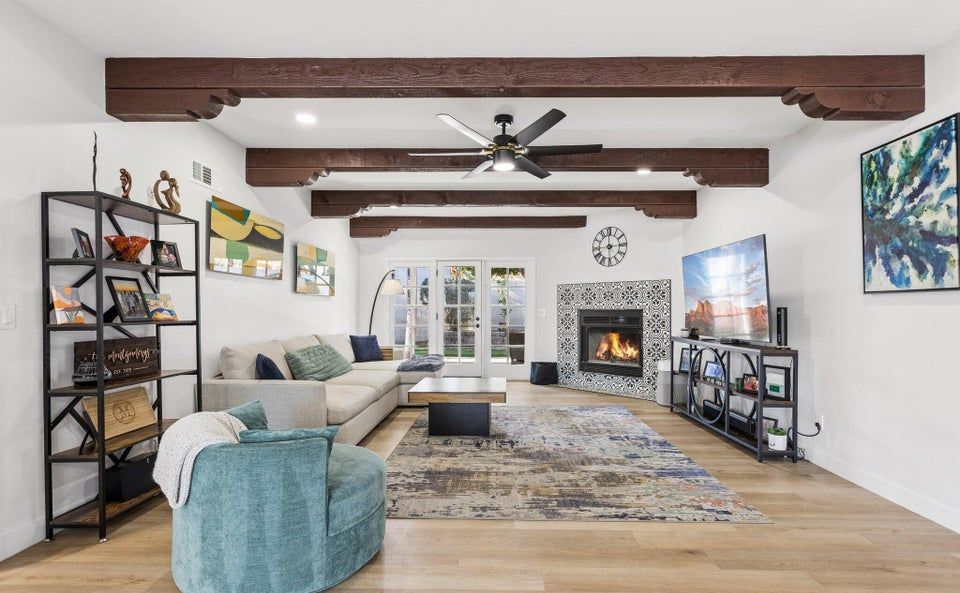
Inside the main living space — the everyday backdrop for a household that also happens to be a high-performing STR.
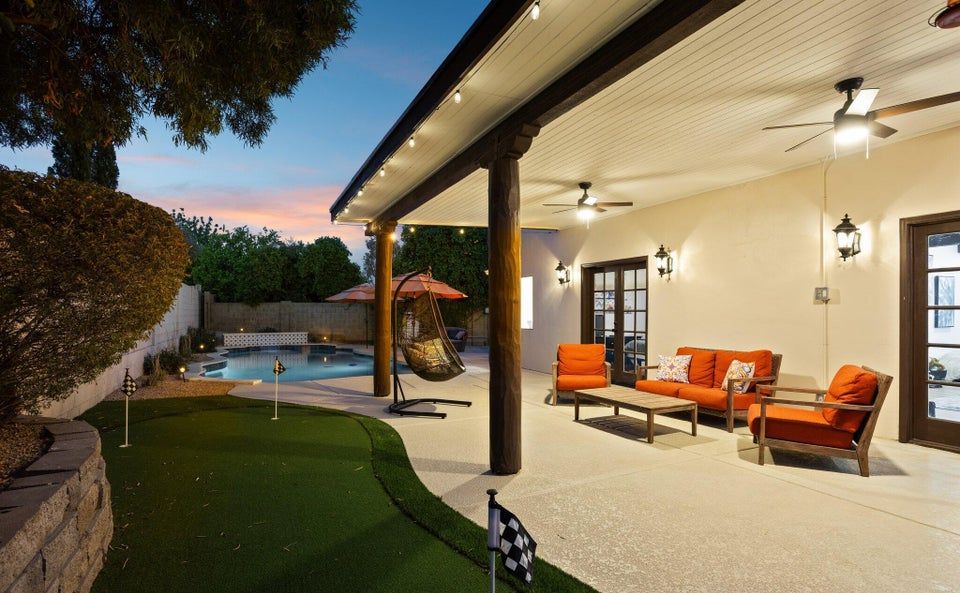
Patio and putting green, with the pool in the distance — the kind of outdoor layout that photographs well and books well.
85254 Is Often Called Scottsdale's "Magic Zip Code" — Here's Why That Matters for STR Demand
It straddles the Scottsdale/Phoenix line and delivers Scottsdale-caliber positioning without the premium pricing of neighborhoods deeper in North Scottsdale. For a short-term rental, proximity to demand drivers is everything.
Why Scottsdale Remains One of Arizona's Strongest Airbnb & Vacation Rental Markets
Understanding the Scottsdale Airbnb and vacation rental landscape matters as much as understanding the tax strategy — one funds the other.
Scottsdale has been one of the most searched vacation rental destinations in Arizona for years, and the demand behind that isn't seasonal luck — it's layered. A well-positioned Scottsdale Airbnb or vacation rental draws from several overlapping guest segments at once, which is exactly what keeps occupancy more resilient than a single-season tourist town:
- Golf tourism — TPC Scottsdale, the Waste Management Phoenix Open, and dozens of championship courses draw golf groups nearly year-round
- Snowbird season — October through April brings sustained demand from cold-weather visitors seeking extended stays
- Business and corporate travel — Scottsdale Airpark and the broader North Scottsdale office corridor generate consistent weekday demand
- Spring training — Cactus League baseball draws families and groups across the greater Phoenix Metro each March
- Event and wedding travel — resort-adjacent neighborhoods like 85254 regularly host overflow guests from nearby venues
That demand stacking is what separates a serious Scottsdale vacation rental investment from a one-dimensional tourist play. A property that only performs during one season carries far more revenue risk than one positioned inside a corridor with multiple, overlapping demand drivers — which is exactly why the 85254 / Kierland corridor was part of the investment thesis for this property from day one, not an afterthought. For buyers weighing long-term, mid-term, and short-term rental structures against each other, our Phoenix rental strategy guide comparing LTR, MTR, and STR breaks down which structure fits which property and goal.
It's also worth separating two things that get conflated constantly in Scottsdale Airbnb conversations: market demand and regulatory eligibility. Strong demand doesn't matter if a property can't legally operate as a short-term rental — which is why lot type, HOA restrictions, and city licensing (covered in the compliance section below) have to be underwritten before demand ever enters the conversation. Our short-term rentals and vacation homes service page walks through how we vet a property for STR eligibility before a buyer ever falls in love with it.
Bonus Depreciation & the STR Loophole, In Plain English
The two mechanisms that make this purchase powerful for a high-income W-2 household — and why the timing is unusually good in 2026.
The STR Loophole
"STR loophole" isn't an official IRS term — it's the common name for a specific exception inside the passive activity loss rules under IRC Section 469, in the regulations since 1988.
Normally, rental losses are "passive" — they can only offset other passive income, not W-2 wages, not 1099 income, not business profits.
Short-term rentals can be the exception. If a property's average guest stay is seven days or fewer, the IRS does not classify the activity as a "rental activity" under Treas. Reg. §1.469-1T(e)(3)(ii)(A). It's treated more like an operating business.
That unlocks non-passive treatment — if you materially participate, typically by meeting one of these tests:
- More than 500 hours on the activity during the year
- More than 100 hours, with no one else spending more time on it than you
- Substantially all of the work done by you personally
Unlike Real Estate Professional Status — which requires 750+ hours and more than half of total working hours in real estate — the STR loophole requires neither. That's precisely why it's popular with high-income W-2 earners who intend to keep their day job. For a deeper dive into the mechanics, see our full breakdown of the short-term rental tax loophole for 2026 and our broader short-term rental tax strategy guide.
Bonus Depreciation: From a Countdown to Zero, to Permanent and 100%
Under the prior law (TCJA), bonus depreciation was scheduled to phase down to nothing. The One Big Beautiful Bill Act (OBBBA) reversed that entirely.
Phase-down begins 80%
TCJA's scheduled step-down from the original 100% bonus depreciation era.
Continued decline 60%
Investors were modeling shrinking first-year deductions with each passing year.
Old law still in effect 40%
Property acquired before January 19, 2025 remained on the old phase-down schedule.
OBBBA signed into law 100%
100% bonus depreciation permanently restored for qualifying property acquired and placed in service on or after January 19, 2025 — no scheduled phase-down, no annual dollar cap.
IRS Notice 2026-11 issued
Clarifies acquisition-date and placed-in-service rules for taxpayers applying the restored 100% rate.
Permanent 100%
No sunset. Long-term planning certainty for cost segregation on real estate.
A cost segregation study identifies components of a property — furniture, certain flooring, cabinetry, specific electrical and plumbing, and land improvements like a pool, spa, or sauna — that qualify for 5, 7, or 15-year recovery periods instead of the standard 27.5 or 39-year schedule. Under 100% bonus depreciation, those components can often be fully deducted in year one.
What Is a Cost Segregation Study, Exactly?
A cost segregation study is an engineering-based analysis — typically performed by a specialized cost segregation firm, not a CPA alone — that walks a property component by component and reclassifies anything that isn't structural "real property" into a shorter IRS recovery class. Instead of depreciating the entire purchase price over 27.5 years (residential) or 39 years (commercial), the study carves out:
- 5-year property: furniture, appliances, some flooring, decorative fixtures
- 7-year property: certain built-ins and specialty equipment
- 15-year land improvements: pool and spa decking, outdoor kitchens, landscaping, fencing, driveways, and exterior lighting
Here's a simplified, illustrative example of how that plays out — actual results always depend on the specific property and study:
Cost Segregation Breakdown
Hypothetical $1M short-term rental — not this property's actual figuresWhat a cost segregation study typically costs: for a single-family short-term rental, engineering-based studies commonly range from roughly $2,000–$6,000+ depending on property size and complexity — a cost that's frequently recovered many times over in year-one tax savings when the strategy fits.
Timing matters more than almost anything else. The property generally needs to be "placed in service" — meaning ready and available for guests to book — before the deduction can be claimed for that tax year. A renovation that drags into the following January can push the entire benefit into the next tax year.
Recapture is the part people forget. If the property is sold, depreciation taken is generally "recaptured" and taxed — often at a higher rate than the original deduction saved. A cost segregation study is a capital acceleration strategy, not a permanent tax elimination strategy, and an exit plan (hold, 1031 exchange, or otherwise) should be part of the conversation from day one.
Why this renovation plan is a cost segregation buyer's dream: the spa, the sauna, the garage-to-entertainment conversion, the shed conversion, and the furnishings throughout are exactly the category of asset a cost segregation study is built to capture. For the full mechanics, see our guide to bonus depreciation for real estate in 2026 and our broader real estate tax savings guide.
Why Buy a Primary Residence With Potential Over an Existing Turn-Key STR?
Fully Turn-Key STR
- Faster path to booking at close
- Existing reviews and revenue history
- No renovation timeline risk
- Priced for that certainty — less negotiating room
- Deferred maintenance can hide behind good photos
Primary Residence With STR Potential (This Deal)
- Not a former rental — no wear from prior guest turnover
- Seller already paid for the roof, pool, HVAC & water heater
- Real negotiating leverage on price and credits
- Renovation budget funded by seller credits, not buyer cash
- Layout supports future cost segregation line items
- Requires a rigorous inspection — this is where risk hides
Scottsdale Regulates Short-Term Rentals — And That's a Good Thing For Serious Operators
Arizona remains one of the more STR-friendly states in the country (A.R.S. §9-500.39, originally SB 1350, amended by SB 1168 in 2022) — cities can't ban short-term rentals outright. Scottsdale regulates how they operate under Ordinance 4566.
Annual Scottsdale STR license ($250/property)
Requires an active Arizona Transaction Privilege Tax (TPT) license first.
$500,000 minimum liability insurance
Through a personal policy or coverage provided by a platform like Airbnb or Vrbo.
Neighbor notification within 30 days
Adjacent and diagonally adjacent properties, including license number and a 24/7 emergency contact.
One-hour emergency response requirement
A designated contact who can arrive on-site within one hour when called.
Occupancy limits & nuisance enforcement
Currently 6 adults plus dependent children, with active enforcement against unlawful gatherings.
Maricopa County Assessor registration
Required under A.R.S. §33-1902 before the property is occupied as a rental.
A market mature enough to have clear rules means serious, compliant operators face less competition from properties that eventually get shut down for cutting corners. We built the compliance plan into this purchase from the start — not as an afterthought after closing.
8 Questions to Bring Before Pursuing This Strategy
Most content tells you to "talk to your CPA" without giving you the questions. Here are the eight that matter most — and for more scenario-based examples, see our real estate tax strategy scenarios for 2026.
Am I eligible for the short-term rental exception to passive activity loss limitations under IRC §469?
What is the current bonus depreciation percentage under IRC §168(k) for the year I'm planning to close?
Should we commission a cost segregation study, and which firm do you recommend?
What documentation do I need to maintain throughout the year to support material participation?
Will this create a paper loss, and if so, how does it interact with my W-2 or business income?
How does California's non-conformity with federal bonus depreciation affect my state return?
What is the recapture risk if I sell the property, and how should I plan for it?
Does the timing of this acquisition and renovation support a placed-in-service date this tax year?
What Made This Deal Work
"Turn-key" is a marketing term, not a due-diligence substitute
A thorough inspection can save you from a property that looks perfect and performs terribly.
A motivated seller who already paid for big-ticket items can beat a staged turn-key listing
You're buying the condition of the asset, not just the photos.
Layout matters for the tax strategy, not just the lifestyle
Oversized garages, sheds, and yard space are future cost segregation line items.
The STR loophole doesn't require Real Estate Professional Status
Exactly what makes it accessible to W-2 earners who can't walk away from their day job.
100% bonus depreciation is now permanent under OBBBA
Not a shrinking, use-it-or-lose-it window like the old TCJA phase-down.
State conformity matters
California buyers need to understand the federal and state benefit are not the same thing.
Compliance is part of the investment thesis
Scottsdale's licensing and notification rules are manageable when planned for from the start. And zooming out — a single STR is rarely the whole plan; see how a property like this fits into a broader real estate portfolio and retirement strategy.
Let's Find the House That Fits the Strategy — Not Just the Search Filters
I work with buyers, many of them high-income earners from out of state, who want to use real estate strategically: identifying the right submarkets, flagging red flags before you're under contract, and coordinating with your CPA so the numbers are modeled correctly before you buy. See more Phoenix real estate client win case studies.
STR Loophole & Bonus Depreciation, Answered
What is the STR loophole?+
Is bonus depreciation still 100% in 2026?+
Do I need Real Estate Professional Status (REPS) to use the STR loophole?+
Is 85254 / North Scottsdale a good market for short-term rentals?+
Does California recognize federal bonus depreciation?+
What is a cost segregation study?+
How much does a cost segregation study cost?+
Is Scottsdale a good market for Airbnb and vacation rentals?+
What happens to bonus depreciation if I sell my short-term rental?+
What should I look for in an STR home inspection?+
What kind of revenue can a North Scottsdale STR like this generate?+
What exactly is the 7-day rule for short-term rentals?+
How do I document material participation for the IRS?+
Can I still use the STR loophole if I hire a property manager?+
Does Arizona conform to federal bonus depreciation rules?+
What's the difference between bonus depreciation and Section 179 expensing?+
Do I need an LLC to buy a short-term rental in Arizona?+
Can HOAs in Arizona ban short-term rentals?+
Is a 1031 exchange or the STR loophole better for reducing taxes?+
What is IRC Section 469 and why does it matter for rental property investors?+
What time of year should I close on an STR to maximize first-year bonus depreciation?+
Do I need to be a real estate professional or high earner to use this strategy?+
Working with Eric was one of the best decisions we made. As first-time Airbnb investors, we had so much to learn, and Eric became so much more than our realtor. He shared his knowledge of the short-term rental market, helped us think through the investment from a long-term wealth-building perspective, and was always incredibly generous with his time and advice.
What I'll always appreciate most is that he truly cared about finding the right property for us, not just helping us buy a house. We fell in love with a home in Scottsdale and were ready to move forward, but Eric encouraged us to keep looking because he didn't believe it was the right investment. At the time, it was disappointing, but he was absolutely right. A short time later, we found the perfect property, one that checked every box.
Eric is thoughtful, honest, incredibly knowledgeable, and genuinely invested in his clients' success.
Eric Ravenscroft
Eric has closed more than $100 million in residential sales, helped clients create over $152 million in long-term wealth, and carries more than 150 five-star Google reviews. His insights on Phoenix real estate and investment tax strategy have been featured in The Wall Street Journal, Morningstar, MarketWatch, and MSN Money. He's also the host of the House of Ravenscroft Podcast, available on Spotify, Apple Podcasts, YouTube, Amazon Music, and iHeartRadio. With 15 years spanning real estate and wealth management, The Ravenscroft Group ensures the real estate decision and the financial strategy are always aligned.




Categories
- All Blogs (324)
- Active Adult & 55 Plus Communities (17)
- Arizona Relocation Guides (31)
- Buyers (214)
- Financial Planning (61)
- General Real Estate (141)
- Income From Real Estate (60)
- Market Update (26)
- New Construction (29)
- News, Updates and Coming Soon (57)
- Real Estate Agent Financial Planning (22)
- Real Estate Investing (96)
- Sellers (107)
- Vacation and Short Term Rentals (45)
Recent Posts





About the Author
Eric Ravenscroft is a Top 1% REALTOR® across North America and one of Arizona’s most trusted real estate strategists. With 15 years of experience spanning real estate, wealth management, and investment planning, he helps clients make smarter, financially grounded decisions, from new construction and relocations to STR investments, 1031 exchanges, and long-term portfolio strategy.
Eric’s expertise has earned him industry recognition, Elite status with Real Broker, and features in major publications including the Wall Street Journal, MarketWatch, MSN, and Morningstar. Clients across the Greater Phoenix Metro rely on his clarity, strategic insight, and results-driven guidance.
Ready to make a confident real estate move? Call or text Eric today.