
The Complete Rental Strategy Guide: Long-Term, Mid-Term & Short-Term Rentals in Greater Phoenix — With Tax Strategy, Bonus Depreciation & Real Investor Case Studies

Three Strategies.
One Property.
Infinite Options.
Long-Term. Mid-Term. Short-Term. Every rental investor needs to understand all three — because the best investments can execute at least two of them, and the tax code powerfully rewards those who know the difference.
Most Investors Pick One Strategy. Smart Investors Understand All Three.
Here's a principle every experienced real estate investor lives by: before you buy any property, you should be able to cash flow on at least two of the three rental strategies. That's not a preference — it's your safety net. Markets shift, regulations change, and life happens. Flexibility isn't a luxury; it's a survival skill.
This guide breaks down every dimension of long-term rentals (LTR), mid-term rentals (MTR), and short-term rentals (STR) — what they are, how they perform, what they cost, how they're taxed, and where in the Greater Phoenix area each strategy has the strongest upside. We'll dig deep into bonus depreciation — the most powerful and misunderstood tool in real estate investing — and exactly who can use it and how.
And throughout everything, we'll come back to one non-negotiable: your exit strategy. Every property you buy should have one before you close.
The Three Strategies at a Glance
| Factor | LTR — Long-Term | MTR — Mid-Term | STR — Short-Term |
|---|---|---|---|
| Lease Duration | 12+ months | 30 days – 12 months | 1 – 29 nights |
| Revenue Potential | Baseline (1×) | 1.5× – 2× LTR | 2× – 4× LTR |
| Management Intensity | Low | Medium | High |
| Furnishing Required | Usually no | Yes, + utilities | Yes, fully staged |
| Vacancy Risk | Low | Medium | Seasonal |
| Regulatory Risk | Minimal | Very Low | Medium in PHX |
| Bonus Depreciation | REP Status only | REP Status only | Active participation — any W-2 earner |
| Cash Flow Predictability | Very High | High | Variable / Seasonal |
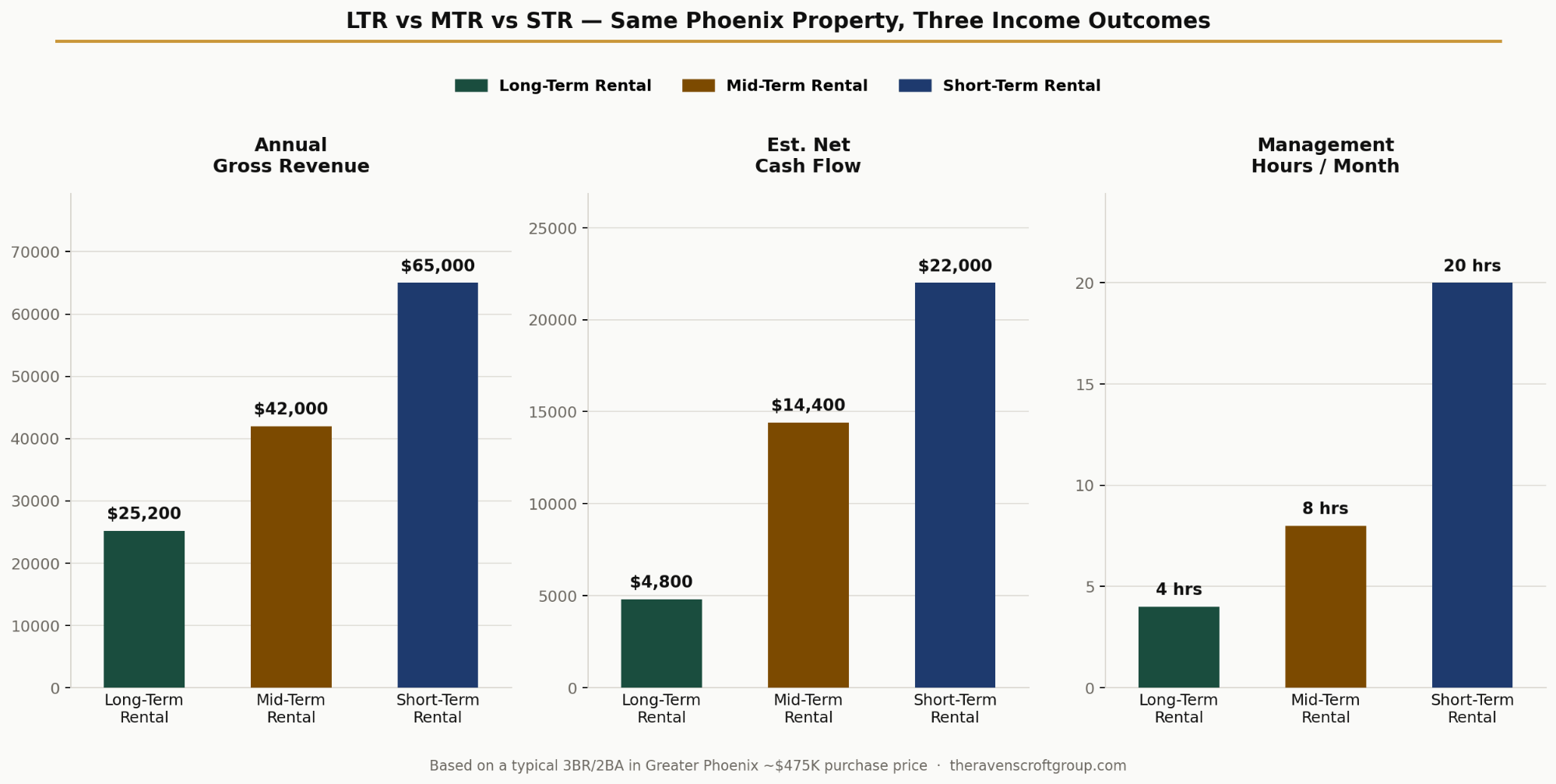
LTR vs MTR vs STR: Same Phoenix Property, Three Income Outcomes
Based on a typical 3BR/2BA in Greater Phoenix at ~$475,000. Representative estimates — individual results vary by location and management.
Want numbers for a specific property? Use Eric's investment calculators → or get a free income analysis →
Long-Term Rental (LTR)
The foundation. Predictable. Boring in the best way possible.
What Is a Long-Term Rental?
A long-term rental is the classic landlord model: a 12-month lease, typically unfurnished, where a tenant handles their own utilities and settles in as a resident. The LTR provides the most predictable monthly cash flow — you know your income for a year at a time.

A quality SFR in a Phoenix employment corridor — the LTR workhorse.
What to Consider
Run the numbers on current market rents versus your projected PITI plus property management fees (typically 8–10%). Target properties where rents clear all expenses with a $200–$500/month positive cash flow minimum. Screen tenants rigorously: income verification (3× monthly rent), credit check, rental history, and employment verification. In suburbs like Gilbert and Chandler, where TSMC-adjacent job growth sustains structural demand, you're building equity in markets with long-term tailwinds.
Advantages
- Lowest management burden of all three strategies
- Predictable, reliable monthly income
- No furnishing or staging costs
- Tenant covers all utilities
- Easiest to finance — standard investment loan
- Minimal regulatory complexity in Arizona
- Strong appreciation in PHX employment corridors
Watch Out For
- Lowest revenue ceiling of the three strategies
- Difficult to remove a bad tenant mid-lease
- Bonus depreciation requires REP Status
- Market rents can lag inflation in slow cycles
- Less flexibility to reposition if market shifts
Tax Benefits — Long-Term Rental
Every rental property benefits from standard depreciation: residential real estate is depreciated over 27.5 years — roughly $17,000/year on a $475,000 property. You also deduct mortgage interest, property taxes, insurance, repairs, management fees, and professional services. The key limitation: LTR losses are passive losses and can only offset passive income — not your W-2 salary — unless you qualify for Real Estate Professional Status (REPS) or fall under the $25,000 passive activity exception (phases out above $100K AGI).
Where LTR Wins in Greater Phoenix
Phoenix's LTR market is driven by structural momentum: the metro adds roughly 200 people per day, anchored by TSMC, Intel, Boeing, and a booming tech and healthcare sector. Median rent hit $2,100/month in 2025, up 32% from 2019. Demand is broad-based — not tied to any single employer or sector.

Greater Phoenix — one of the fastest-growing rental markets in the country.
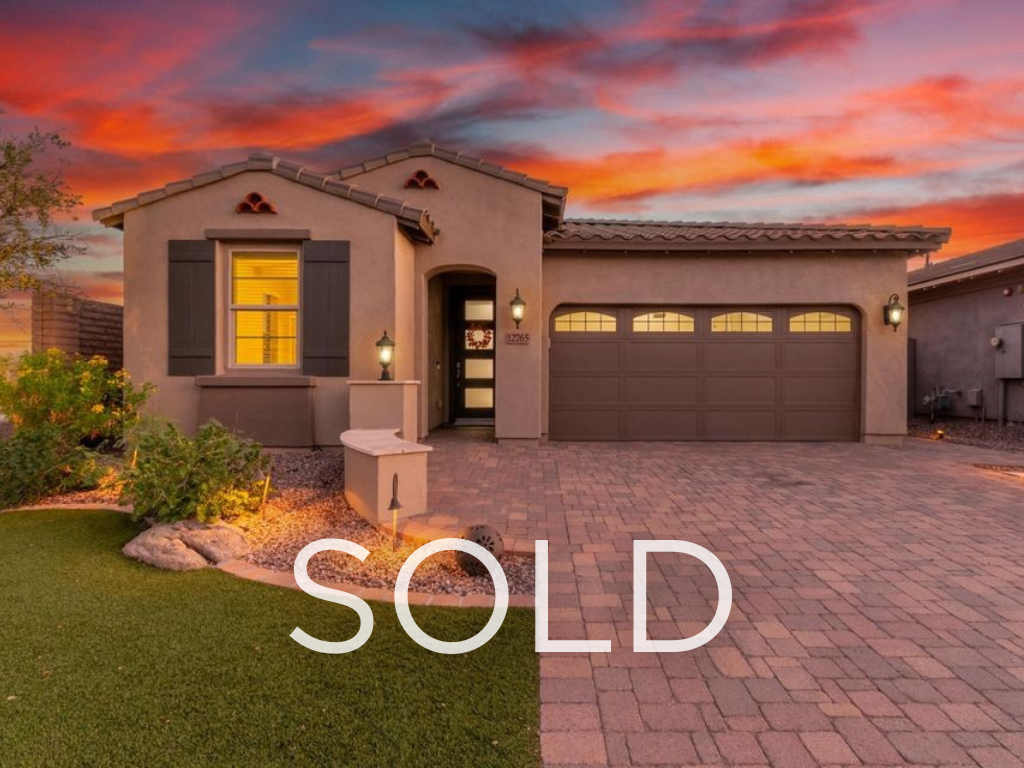
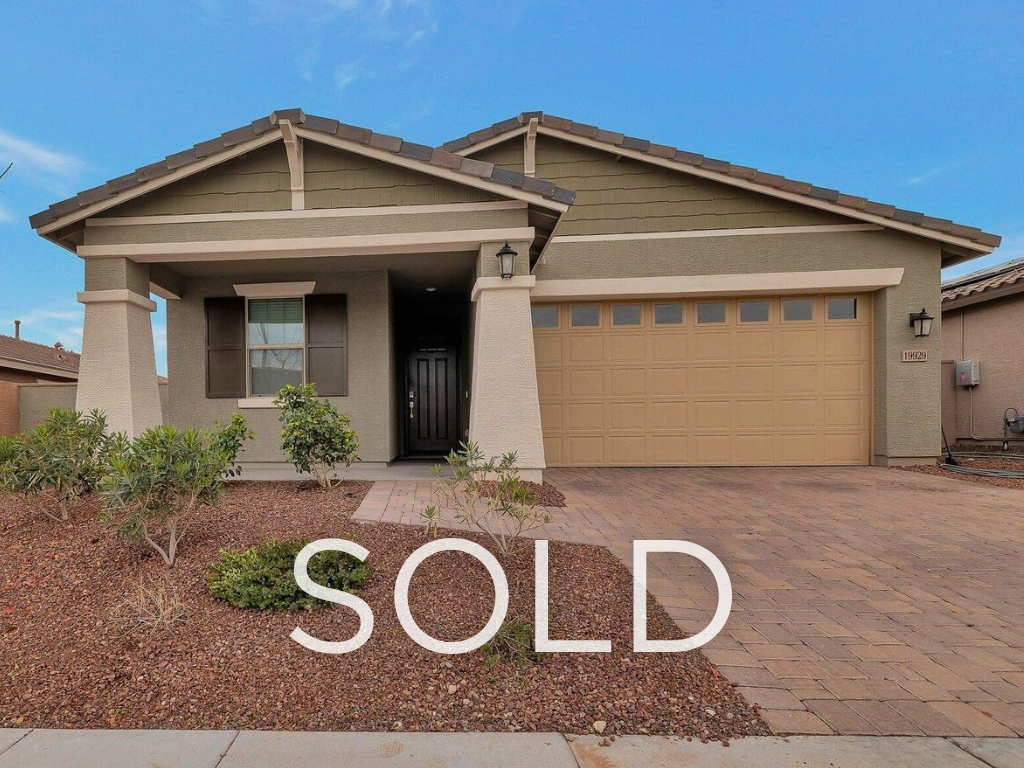
A California investor had held a rental property for approximately 17 years, selling at $550,000 against an original purchase price of around $175,000. Without a 1031 exchange, the combined estimated tax hit — federal capital gains, depreciation recapture, and California state tax at 13.3% — would have been $139,272. Working with Eric, the investor completed a California-to-Arizona 1031 exchange, redeploying capital into two single-family rentals generating approximately $4,500/month combined versus $3,500/month previously — while carrying only ~$5,000/year in property taxes versus $20,000 in California.
Mid-Term Rental (MTR)
The rising star. Premium income without the daily grind.
What Is a Mid-Term Rental?
A mid-term rental is a furnished property rented for 30 days to 12 months with utilities typically included. It sits in a deliberate sweet spot: earning significantly more than a long-term rental without the daily turnover and management intensity of a short-term rental.
The tenant profile: traveling nurses, healthcare workers, corporate relocations, remote workers on extended assignments, academics, military personnel between housing assignments, and families in transition. Furnished Finder received over 2 million inquiries in 2025, a 105% year-over-year increase. Phoenix is one of the strongest MTR markets in the country due to its major hospital systems, semiconductor industry, and military presence.
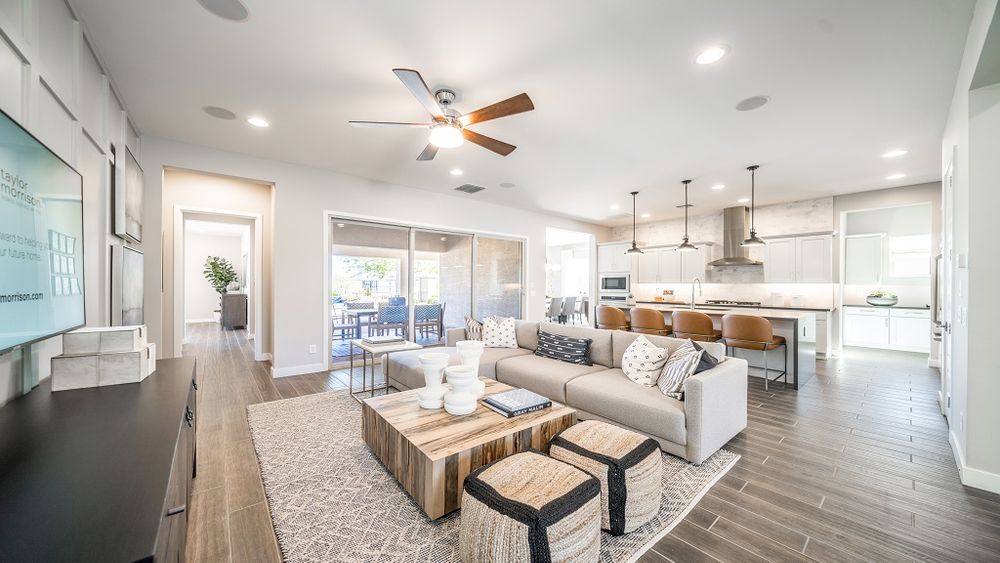
Furnished to professional standards — the key to commanding MTR premiums.
What to Consider
Budget $15,000–$30,000 to furnish a 3-bedroom to professional standards. Monthly pricing in Phoenix for MTR typically runs $2,800–$4,500 for a 3-bedroom — 40–100% above unfurnished market rent. That premium reflects furnished, all-inclusive convenience for professionals on assignment. Your tenant pipeline matters as much as your property — proximity to Banner Health, Mayo Clinic, HonorHealth, the TSMC campus, Intel, and Northrop Grumman determines your MTR demand.
Advantages
- 50–100% more revenue than equivalent LTR
- Less turnover and cleaning than STR
- Avoids most STR regulation (30-day minimum)
- Professional, vetted tenant profile
- Works in many HOAs that restrict STR
- Growing, underserved demand in Phoenix
- All-inclusive pricing justifies premium rates
Watch Out For
- Higher upfront furnishing and setup cost
- Utility management adds operating complexity
- More active management than LTR
- Some HOAs now restricting 30-day minimums too
- Bonus depreciation requires REP Status
- Gaps between placements require active marketing
Tax Benefits — Mid-Term Rental
MTR enjoys the same standard 27.5-year depreciation as LTR, plus 5-year depreciation on furnishings and personal property. Because the average stay exceeds 7 days, MTR generates passive losses — meaning REP Status is required to offset W-2 income. Utilities, cleaning between tenants, platform fees, and furnishing replacements are all deductible business expenses.
Where MTR Wins in Greater Phoenix
Greater Phoenix's healthcare infrastructure and corporate relocation activity create one of the most fertile MTR markets in the country. The combination of major hospital systems, the TSMC buildout, and Luke AFB military population provides a consistent pipeline of 1–6 month renters who need furnished, professional housing.

This Palm Valley acquisition was built around three pillars: durable layered demand, guest-experience differentiation, and tax-aligned strategy from before closing. The property — a rare basement home with a detached casita in a golf course community — gave it a configuration extremely limited in Phoenix supply. The asset was intentionally structured for short-term rental use with material participation requirements aligned, allowing the buyer to pursue accelerated depreciation in year one. Cost segregation identified a meaningful portion of short-life property eligible for 100% bonus depreciation — meaningfully reducing first-year tax liability.
Short-Term Rental (STR)
The highest ceiling. The most powerful tax weapon. The most active investment.
What Is a Short-Term Rental?
A short-term rental is a furnished property rented for stays of 29 nights or fewer, typically marketed through Airbnb, VRBO, and Booking.com. Arizona passed state legislation preventing cities from outright banning STRs, making it one of the most investor-friendly STR regulatory environments in the country. Phoenix requires registration and compliance with local ordinances, but the legal framework is stable and navigable.

A Scottsdale pool home STR — the kind that generates $80K–$120K+ annually.
What to Consider
STR is a hospitality business that happens to involve real estate. You need: listing optimization, dynamic pricing tools (PriceLabs, Wheelhouse), professional photography, automated guest communication, cleaning logistics, supply management, and review management. Expect 5–10 hours/week of active involvement — that active involvement is also exactly what qualifies you for the most powerful tax strategy available to W-2 earners.
Model your numbers on conservative occupancy (55–65%), not peak season rates. At conservative occupancy, well-located Scottsdale properties gross $80,000–$120,000+ annually. A private pool adds 20–40% to STR revenue in Phoenix's climate — it's often the single best capital improvement investment you can make.
Advantages
- Highest revenue potential of all three strategies
- Bonus depreciation access WITHOUT REP Status
- Arizona's STR-friendly state regulatory environment
- Premium nightly rates during events and peak season
- Most powerful tax offset tool for high W-2 earners
- Up to 14 days personal use without tax impact
- Full flexibility to pivot to MTR or LTR if needed
Watch Out For
- Highest management time and energy of the three
- Seasonal income variability — model conservatively
- Ongoing furnishing, staging, and supply costs
- Increasing saturation in top submarkets
- HOA and new community rental restrictions
- Must demonstrate active participation for tax benefits
- STR-specific insurance required (not standard homeowners)
Tax Benefits — Short-Term Rental (The Powerful Part)
This is where STR diverges dramatically from every other rental strategy. Under IRC Section 469, a rental property where the average guest stay is 7 days or fewer is not classified as a "rental activity" — meaning its losses are not automatically passive. When combined with material participation, STR losses can offset your W-2 income directly. No REP Status required.
Where STR Wins in Greater Phoenix

Old Town Scottsdale — Arizona's premier STR market.

Year-round events and sunshine drive Phoenix STR demand.
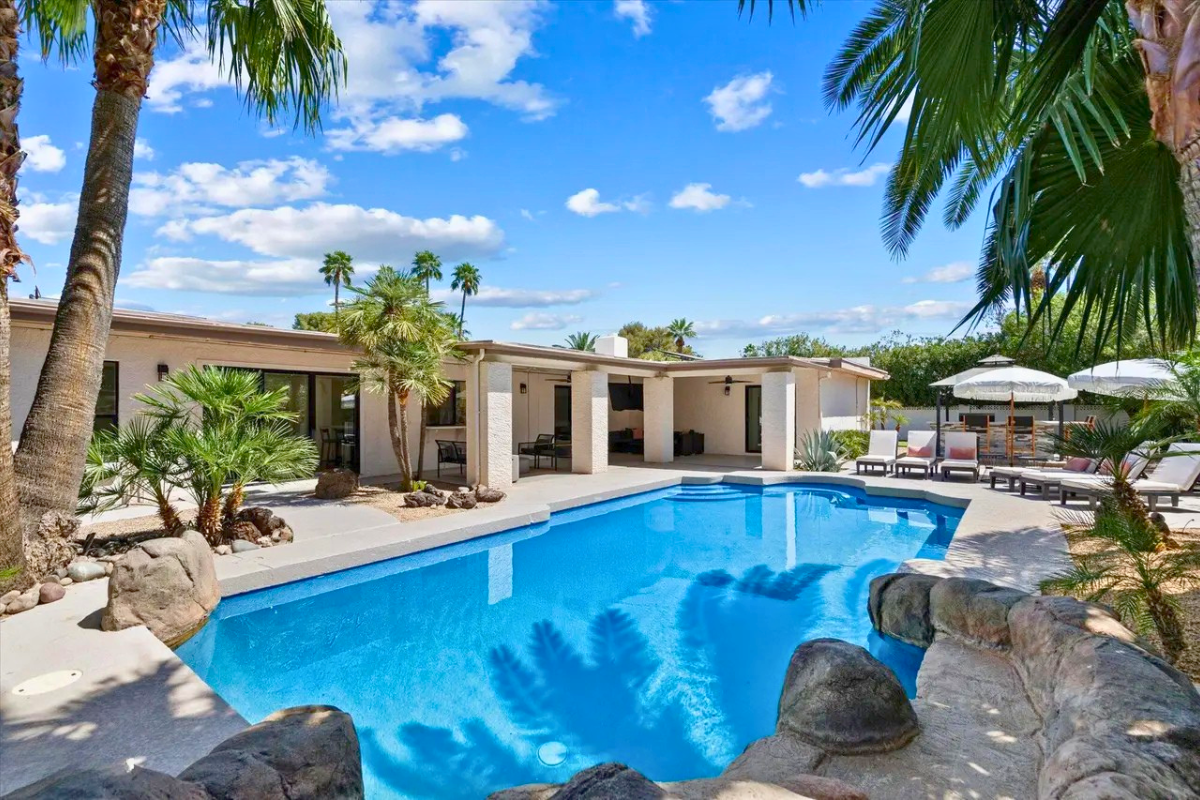
In Scottsdale's coveted 85254 "Magic Zip Code," a buyer secured a fully furnished, turn-key STR generating income immediately at closing — negotiated approximately $170,000 below original list price with seller-paid closing costs. Because the property was already operating as an STR with average stays well under seven days, it qualified for accelerated depreciation combined with the buyer's material participation.

This Mesa acquisition centered on a rare property supporting multiple living and income strategies. Structured for STR use from acquisition: average guest stays well under seven days, aligned material participation, and a cost segregation study completed to identify bonus-eligible components. A high-income buyer used the bonus depreciation to meaningfully offset W-2 income in year one while building a cash-flowing Phoenix asset with multiple exit paths.
Bonus Depreciation: The Most Powerful Tool in Real Estate Investing That Most People Never Use
Bonus depreciation, when used correctly, can generate six figures in tax savings in a single year. It's written directly into the tax code — not a gray area. But it requires knowing exactly who can use it, when, and on which strategy.
What Is Bonus Depreciation?
Real estate investors normally deduct the cost of a building over 27.5 years. Bonus depreciation allows you to accelerate qualifying components — flooring, fixtures, appliances, personal property — to year one, creating a large paper loss that offsets real income. A cost segregation study (typically $3,000–$6,000) identifies these components and reclassifies them into 5-year, 7-year, or 15-year property, all qualifying for first-year write-offs.
As of January 19, 2025, new legislation (OBBB) restored 100% bonus depreciation for qualifying property placed in service after that date. This is a generational planning opportunity.

Eric Ravenscroft structures every investment for maximum tax efficiency — before the purchase, not after.
REP Status: Full Bonus Depreciation on Any Strategy
If you or your spouse qualifies as a Real Estate Professional (REP) under IRS rules, your rental losses — including accelerated depreciation — are treated as active, not passive. They offset W-2 income, business income, or any ordinary income without limitation. Requirements: (1) more than 50% of your personal services during the year must be in real property trades or businesses in which you materially participate, and (2) you must perform more than 750 hours of services in those activities. If your spouse holds a full-time real estate license, your household may already qualify.
The STR Strategy: Bonus Depreciation Without REP Status
For W-2 earners in any other field: you don't need REP Status to access bonus depreciation — if you use the short-term rental strategy correctly.
The Three Requirements to Unlock the STR Tax Strategy
1. Average stay must be 7 days or fewer. A hard line — calculated as total rental days ÷ total number of rentals. Ensure your minimum stay settings keep this average at or below 7 days.
2. You must materially participate in the rental activity. Most achievable test: 100+ hours AND more than any other single person. Track your time meticulously with contemporaneous records.
3. No more than 14 days of personal use. Using the property personally for more than 14 days converts it to a mixed-use vacation home and eliminates many deductions.
The Power of Bonus Depreciation in Action
Licensed Real Estate Agent — Any Rental Strategy
Agent earns $180,000 in commission income. Purchases a $500,000 LTR and commissions a cost segregation study.
Software Engineer — Scottsdale STR + Active Participation
Engineer earns $220,000/year. Purchases a $525,000 STR in Scottsdale, self-manages with documented 100+ hours annually.
Dual-Income Couple — $850K Scottsdale Pool Home
Couple earns combined $600,000+. Purchases a luxury Scottsdale pool home as an STR. One spouse self-manages.
Work With a Qualified CPA — This Is Not a DIY Strategy
Bonus depreciation, cost segregation, REP Status, and material participation rules involve real complexity and increasing IRS scrutiny. Everything described above is entirely legal and well-established in the tax code — but execution details matter enormously. Find a CPA who specializes in real estate investor tax strategy and engage them before you buy.
Always Define Your Exit Before You Buy
Every property you purchase needs a clear exit strategy — ideally multiple. Markets change, circumstances change, and properties that make sense today may need to be repositioned tomorrow. Before closing on any rental investment, ask yourself: if this property stops making financial sense in 3–5 years, what are my options?
🏠 Owner-Occupy
Could you live in this property? Section 121 exclusion after 2 years as primary residence eliminates capital gains up to $500K married.
🔄 1031 Exchange
Sell and defer all capital gains by rolling proceeds into like-kind property. Phoenix is a top 1031 replacement market nationally.
💰 Cash-Out Refinance
If the property has appreciated, refinance to pull equity while retaining ownership. Tax-free capital to deploy into the next acquisition.
↔️ Strategy Pivot
An LTR that stops cash flowing can be repositioned as MTR or STR if regulations allow. This is why STR-permitted areas give you maximum flexibility.
📦 Straight Sale
Know your basis, understand the tax implications, and have a target net proceed number before listing. Sometimes selling is the right answer.
📈 Equity Harvest
A HELOC or cash-out refi on an appreciated property lets you harvest gains without a taxable event. Use proceeds as a down payment on your next property.
The 2-of-3 Rule: Your Built-In Safety Net
Before purchasing any rental property, run the numbers on all three strategies. Your target: the property should cash flow on at least two of the three — not just break even, but generate positive cash flow after all expenses including management, vacancy buffer, maintenance reserves, and debt service.
Why does this matter? Because the world changes. A city might pass new STR restrictions. A travel nurse shortage might reduce MTR demand temporarily. Having two viable revenue strategies means you're never forced into a bad decision because you're trapped in a single model with no alternatives.
Five Steps Every Phoenix Rental Investor Should Follow
Step 1: Know Your Tax Position Before You Look at a Single Property
Sit down with a real estate-specialized CPA and understand your current tax situation. What's your income bracket? Do you or your spouse qualify for REP Status? Could you demonstrate material participation in an STR? The answers determine which strategy creates the most after-tax wealth for your specific situation.
Step 2: Define Your Strategy Priority
High W-2 earner without REP Status? STR is your bonus depreciation vehicle. Real estate professional or agent? All three strategies are equally open. Passive investor wanting lowest management burden? LTR in a strong employment corridor with MTR as backup.
Step 3: Buy for Flexibility — The 2-of-3 Rule
Screen every property against the 2-of-3 test before you write an offer. Look for STR-permitted zoning or no HOA, location attributes that serve multiple tenant profiles, and employment fundamentals that support LTR demand as a floor.
Step 4: Model Your Exit Before You Close
Know your basis. Know your 1031 triggers. Know at what appreciation level it makes more sense to sell versus refinance versus hold. Build the decision framework before the market makes the decision for you.
Step 5: Execute, Document, and Optimize
Once you're in, optimize relentlessly: dynamic pricing tools, professional photography, proactive maintenance, rigorous tenant screening, and detailed financial tracking. Keep meticulous records for material participation and cost segregation documentation from day one.
New Construction: A Smart Entry Point With a Critical Trap
New construction homes in Greater Phoenix represent a compelling opportunity for investors — but only when you know what you're buying. Not all builders are created equal. Construction quality, materials, floor plan efficiency, community restrictions, warranty terms, and long-term resale positioning vary significantly across the market. The right new construction investment depends on knowing exactly which builders, which communities, and which product lines align with your strategy — and which ones to avoid entirely.
This is where working with an advisor who specializes in new construction makes all the difference. Eric knows the Greater Phoenix builder landscape at a granular level — down to the specific materials used, the quality of construction at each price point, which communities are investor-friendly, and which incentives are genuinely valuable versus marketing tactics. That knowledge protects you from expensive mistakes that aren't obvious at a model home tour.
On the incentive side, select builders have been offering permanent interest rate buydowns into the mid-3% to 4% range on quick-move-in homes, plus closing cost credits and design upgrades. A 1.5–2% lower rate on a $500,000 property saves $800–$1,100/month in payment — often the difference between negative and positive cash flow for LTR investors on day one. But the right incentive on the wrong property is still the wrong property.

New construction in Greater Phoenix — compelling incentives, but read the CC&Rs before you invest.
Here is where many new investors make an expensive and irreversible mistake: the majority of new master-planned communities in Greater Phoenix have CC&Rs that explicitly prohibit short-term rentals. A growing number now also restrict mid-term rentals — requiring minimum lease terms of 6–12 months. That could eliminate two of your three strategies before you close.
Before closing on any new construction investment property, verify:
- Read the full CC&Rs — restrictions are often buried in subsections, not the summary
- Verify whether any rental restrictions exist, including minimum lease terms
- Confirm whether the HOA can change rental restrictions after purchase
- Understand current HOA fees and their historical trajectory
- Ask specifically about short-term AND mid-term rental policies separately
Common Questions From Phoenix Investors
The questions every investor asks — answered directly. For a full consultation specific to your situation, book a free strategy session with Eric.
What Phoenix Investors Say About Working With Eric
150+ five-star Google reviews. A selection of what clients say about Eric's investment and financial planning approach.
"Eric's financial planning background completely changed how I approached buying an investment property. He ran the numbers on all three rental strategies before we even made an offer. We ended up with an STR in Scottsdale that generated $78K in year one and a significant tax benefit I never expected."
"We were California investors looking to do a 1031 exchange into Arizona and had no idea where to start. Eric walked us through the entire process — the clawback rules, the Phoenix submarkets, the replacement property analysis. We closed on two rentals in Vistancia and Verrado and couldn't be happier."
"I'm a physician and my accountant told me about the STR bonus depreciation strategy but couldn't help me find the right property. Eric understood it immediately and found us a Palm Valley property that checked every box. The tax savings in year one were substantial."
"What separates Eric from every other agent we spoke to is that he thinks like a financial advisor, not just a salesperson. He talked us out of two properties that would have been mistakes before helping us find the right one. We now have a Chandler rental that cash flows on all three strategies."
"Eric helped us navigate a mid-term rental setup near Banner Health in Mesa. He identified the travel nurse pipeline opportunity we hadn't considered. We filled it within two weeks at $3,800/month — well above what we'd have gotten as a long-term rental."
"As an out-of-state investor, I needed someone who could act as both my real estate advisor and my local market intelligence. Eric found us a North Phoenix LTR near the TSMC corridor, negotiated aggressively, and had boots-on-the-ground management recommendations ready at closing."


Eric Ravenscroft is one of Arizona's most trusted real estate strategists and one of the few advisors who integrates real estate, investment strategy, tax planning, and financial planning into a single, cohesive client experience. With 15 years of combined experience in real estate and wealth management — including a tenure as Director of Wealth Management — Eric brings a uniquely analytical approach to the Greater Phoenix Metro. He has closed more than $100 million in residential sales and helped clients create over $133 million in long-term wealth. With 150+ five-star Google reviews, his track record is transparent, verifiable, and consistently high-performing. Eric is a preferred real estate partner for USAA, Chase, SoFi, PennyMac, Citibank, RBC, HomeStory, and other major financial institutions.





Trusted Partner of Leading Financial Institutions
Eric serves as a preferred real estate advisor for clients referred by some of the nation's most respected financial organizations.









More Resources from Eric
Every resource below is written personally by Eric — no filler, no recycled content. Just strategy, data, and real Phoenix market insight.
Categories
- All Blogs (324)
- Active Adult & 55 Plus Communities (17)
- Arizona Relocation Guides (31)
- Buyers (214)
- Financial Planning (61)
- General Real Estate (141)
- Income From Real Estate (60)
- Market Update (26)
- New Construction (29)
- News, Updates and Coming Soon (57)
- Real Estate Agent Financial Planning (22)
- Real Estate Investing (96)
- Sellers (107)
- Vacation and Short Term Rentals (45)
Recent Posts









About the Author
Eric Ravenscroft is a Top 1% REALTOR® across North America and one of Arizona’s most trusted real estate strategists. With 15 years of experience spanning real estate, wealth management, and investment planning, he helps clients make smarter, financially grounded decisions, from new construction and relocations to STR investments, 1031 exchanges, and long-term portfolio strategy.
Eric’s expertise has earned him industry recognition, Elite status with Real Broker, and features in major publications including the Wall Street Journal, MarketWatch, MSN, and Morningstar. Clients across the Greater Phoenix Metro rely on his clarity, strategic insight, and results-driven guidance.
Ready to make a confident real estate move? Call or text Eric today.