
First-Time Home Buyer in Phoenix, AZ: How to Find the Right Home and Negotiate a Better Deal
First-Time Home Buyer in Phoenix, AZ: How to Find the Right Home and Negotiate a Better Deal
Referred through my preferred-agent partnership with Chase, these first-time buyers landed a Deer Valley corner lot roughly 10% under list, with every closing cost covered and three exit strategies already mapped.

By Eric Ravenscroft, CRS · Former Director of Wealth Management
Published Apr 1, 2026 · Updated Nov 5, 2026 · 18 min read

3702 W Marconi Ave, Phoenix, AZ 85053
3 Bed · 2 Bath · Corner Lot · No HOA













- First-time buyers in Phoenix can still find value in the $300K–$400K range by targeting motivated sellers, such as estate sales, instead of multiple-offer listings.
- These buyers negotiated roughly 10% off list, seller-paid closing costs, and extra credits, so they paid almost nothing at closing beyond their down payment.
- The buyers came to me through Chase, one of nine financial institutions that have vetted and approved me as a preferred agent for their customers.
- Every serious home was scored on condition, resale, rental potential, and its 1-, 5- and 10-year cost of ownership before we wrote a single offer.
- They chose a no-HOA corner lot so the home can later work as a short-, mid-, or long-term rental, and Phoenix STRs require a city permit, a state TPT license, and county registration.
"My wife and me finished paying off our debt and decided it was time to buy our first house since we were expecting our first baby into the world. Eric came up recommended and was incredibly helpful and patient in dealing with us since it was our first time buying a home and we didn't know the process very well. He helped us not only find a home but a home that is perfectly suited our needs and wants. It took some searching but Eric was able to get us pull through and get us to closing very quickly! Would highly recommend this real estate group."
A Chase Referral, and Buyers Thinking Three Moves Ahead
This couple came to me through Chase. I'm one of a small group of agents Chase and eight other financial institutions, including USAA, SoFi, and PennyMac, have independently vetted and approved to work with their customers. When a bank refers a first-time buyer, it's trusting that agent to protect its client through the biggest purchase they've ever made, and I take that seriously.
The first question I asked them is the one I ask every first-time home buyer in Phoenix: "How long do you see yourself in this home, and what's your plan when that changes?" It's the question that separates a good purchase from a strategic one, because the home you buy today sets up, or limits, every financial move you make after it.
They answered without missing a beat. They had also done the hard work before we ever met: they paid off their debt first, which put them in a strong position to qualify and gave them room to plan beyond the purchase itself.
They were transparent from the start: Phoenix wasn't their forever destination. They planned to eventually relocate out of state, so this purchase needed to do more than house them. It needed to hold value, create options, and give them a clear path forward when the time came to move on.
That changed the entire search. Instead of filtering for "nice," we filtered for flexible. Instead of optimizing for today, we optimized for what the property could become.
Most buyers ask if they can afford the payment. These buyers asked what the property would allow them to do. That changes everything about how you search.
Eric Ravenscroft, CRS
How I Ran the Search: An Advisor's Approach to a First Home
A bank referral comes with an expectation: the client should end up better off, not just moved in. So from our first strategy call, I ran their search the way I'd run a real estate financial plan: define the goal, model the costs, then go find the asset.
At a glance: research north Phoenix and a backup list of value pockets → look beyond the MLS → tour fast → score every contender on cost, risk, and upside → prepare for the inspection before it happens.
Neighborhoods first, with a backup list ready
Before touring anything, I broke down each area they were drawn to: recent sales, price trends, lot sizes, HOA coverage, rental demand, and days on market. Then, drawing on the same data behind our Phoenix market analysis, I flagged several value pockets with similar fundamentals and more room to negotiate. If nothing surfaced in their first-choice areas, we already had a researched backup instead of starting over.
Looking where the MLS doesn't
Some of the best first-time buyer opportunities never get a fair run on the open market, so an MLS alert wasn't the whole plan. I ran targeted campaigns to reach owners open to selling, and I called agents who were preparing listings that fit my clients' criteria. That gave us looks at qualifying coming-soon homes, often before competing buyers knew they existed.
Ready to see it the day it surfaced
Speed is leverage. When a fit came up, we were inside it the day it surfaced or the next morning. Because my clients were fully pre-approved and we had already defined what "right" meant, decisions came quickly and confidently.
A scorecard for every serious contender
"Do you like it?" was only the first question. Every home that made the shortlist got scored across the same six factors, so my clients compared houses on substance instead of staging:
The Tour Scorecard
| Factor | What I evaluated |
|---|---|
| Upside | Layout changes, casita (ADU) room, outdoor upgrades |
| Appreciation | How the home and street should perform over their hold |
| Condition | What needs work now vs. in 3–5 years |
| Resale | Lot orientation, traffic, floor plan, system ages |
| Rental fit | STR, mid-term, and long-term demand for that location |
| Remodel budget | Cost to bring it to the condition they wanted |
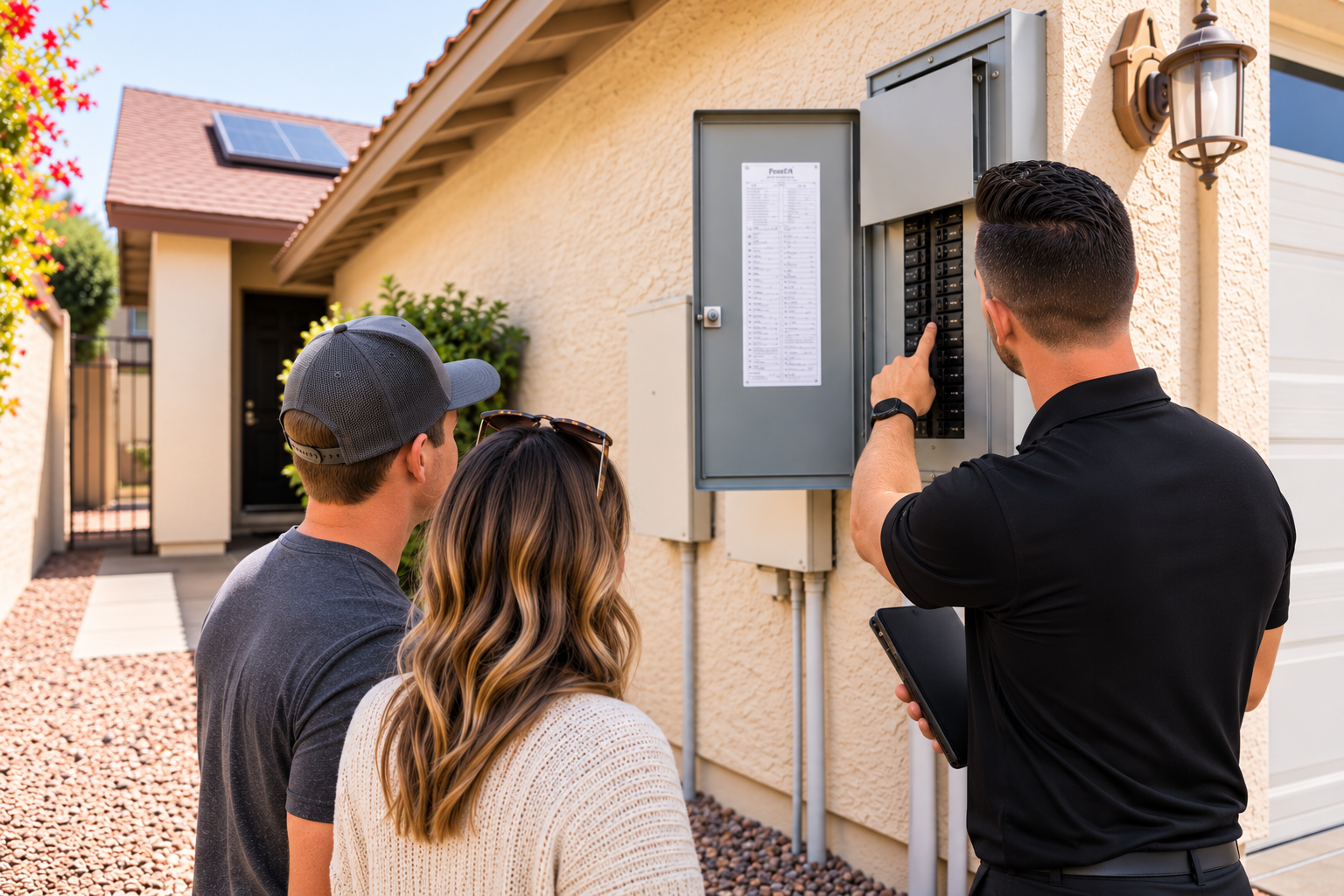
I also flagged the big-ticket items that quietly turn a "good deal" into an expensive one:
Roof
Age, material, underlayment condition, and remaining life
HVAC
Unit age and efficiency, critical in Phoenix summers
Plumbing
Pipe material, water pressure, and water heater age
Sewer Line
Line material and root-intrusion risk in older homes
Windows
Single vs. dual pane, seals, and energy efficiency
Electrical
Panel age, capacity, and upgrade needs
Then I turned all of it into a total cost of ownership view for every home they were serious about:
Payment, insurance, taxes, utilities, plus immediate repairs and the upgrades to make it home.
Major systems likely to need replacement, ongoing maintenance, and how a rental changes the math.
Cumulative costs against projected appreciation and rental income: the true long-term value.
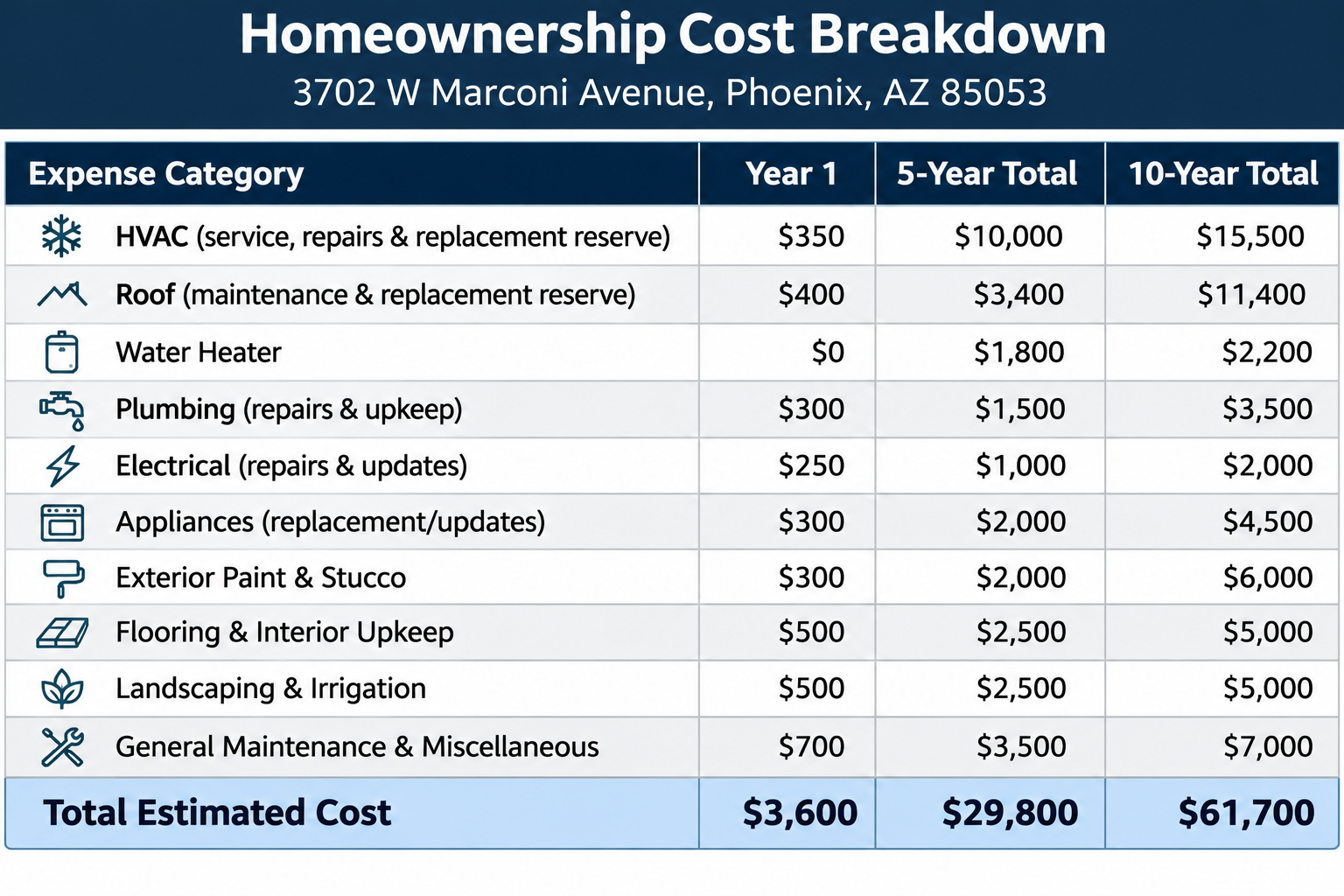
That turned a list of houses into a real decision: my clients compared homes on what each would cost and return over time, not just price and finishes.
Inspection prep, one tour at a time
First-time buyers often meet words like "mud tubes" and "root intrusion" for the first time in an inspection report. Mine met them on tour, with the real thing in front of them:
- Termite activity: what mud tubes along foundations and walls look like, what hollow-sounding wood can signal, and why a termite inspection matters here
- Root intrusion: how mature trees near sewer lines cause backups, early warning signs, and when a sewer scope is worth ordering
- Roof and drainage wear: aging roofing, past leaks, and water staining
- Aging systems: how to read an HVAC data plate or water heater label for age, and what it means for the budget
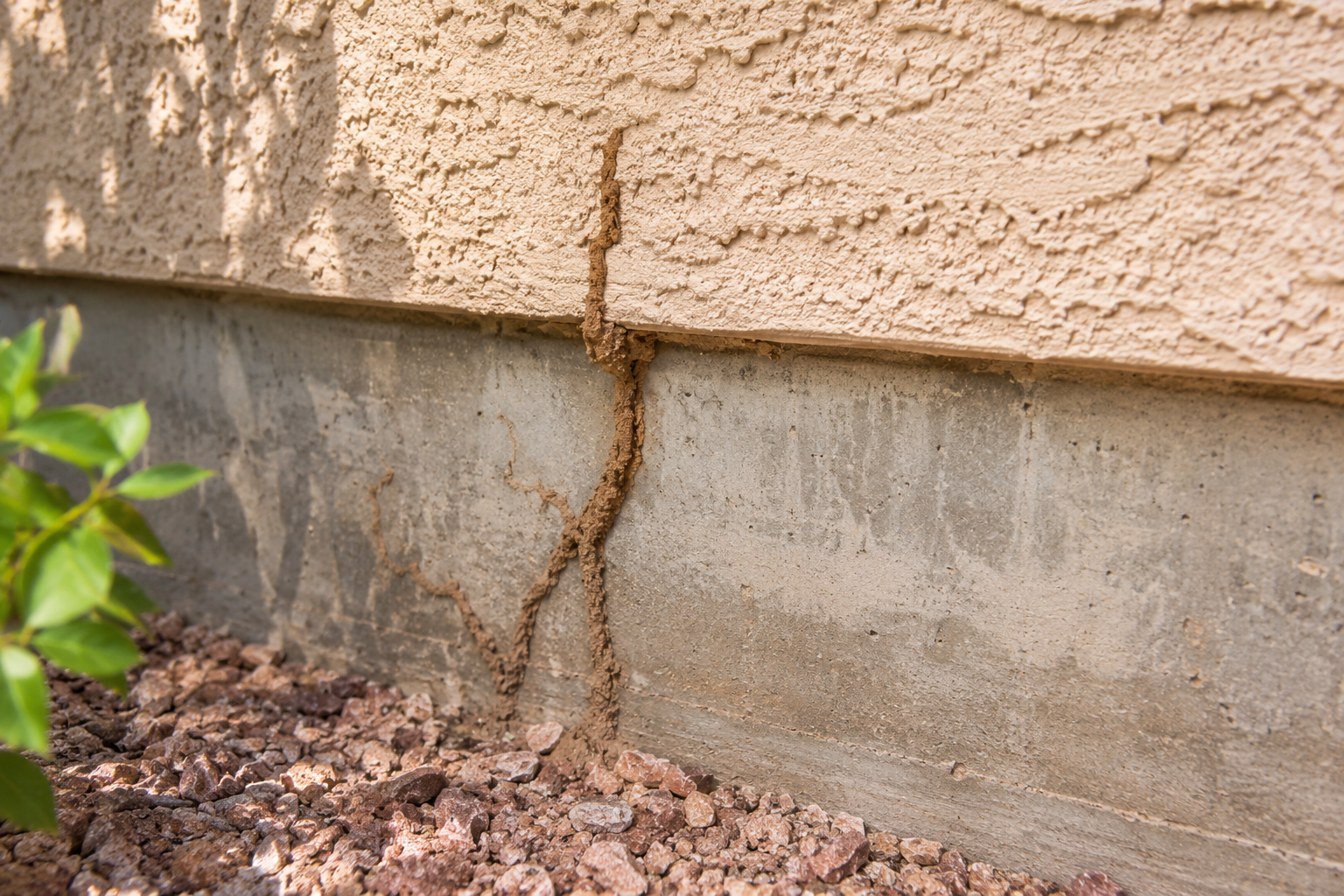
By the time the inspection report arrived, my clients already understood most of what it said, so they could focus on what mattered for negotiation instead of worrying over every line item.
Anyone can unlock a door and ask if you like the kitchen. My job is to tell you what this home will cost you over the next ten years, and what it can do for you.
Eric Ravenscroft, CRS
The Property: Why 3702 W Marconi in Deer Valley Checked Every Box
Located in north Phoenix's Deer Valley area, an established corridor along I-17 with easy access to shopping, parks, and Banner Thunderbird Medical Center, this 3-bedroom, 2-bath home in the 85053 ZIP code sits on a corner lot and was exactly the kind of value-forward opportunity we were targeting.
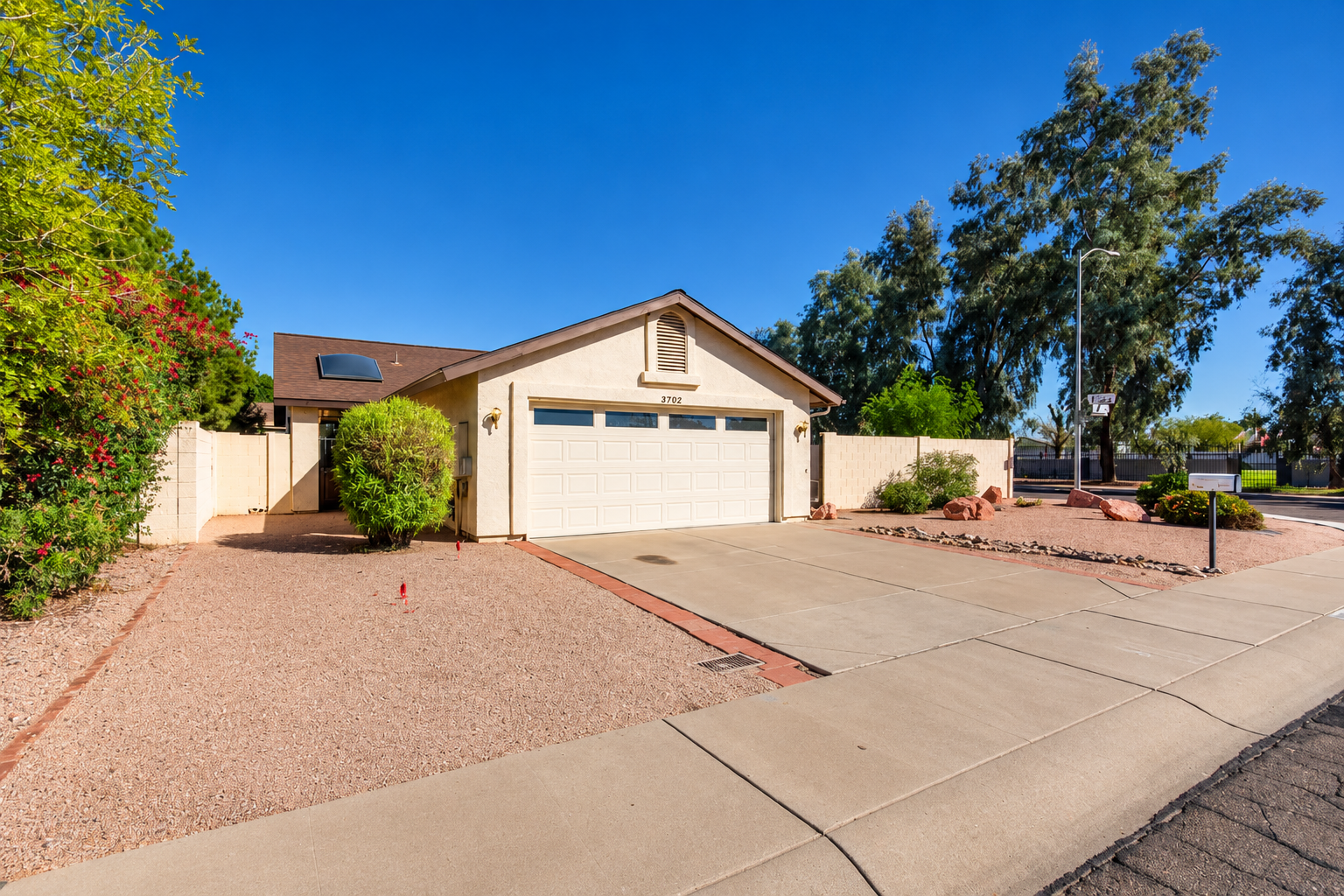
No HOA. Corner lot. Short-term rental eligible. Room to expand in several directions. And a seller motivated by circumstance, not price anchoring.
STR Eligible
With no HOA, the home can be listed on Airbnb or VRBO once the city permit and state tax license are in place. A.R.S. §9-500.39 bars Arizona cities from prohibiting short-term rentals.
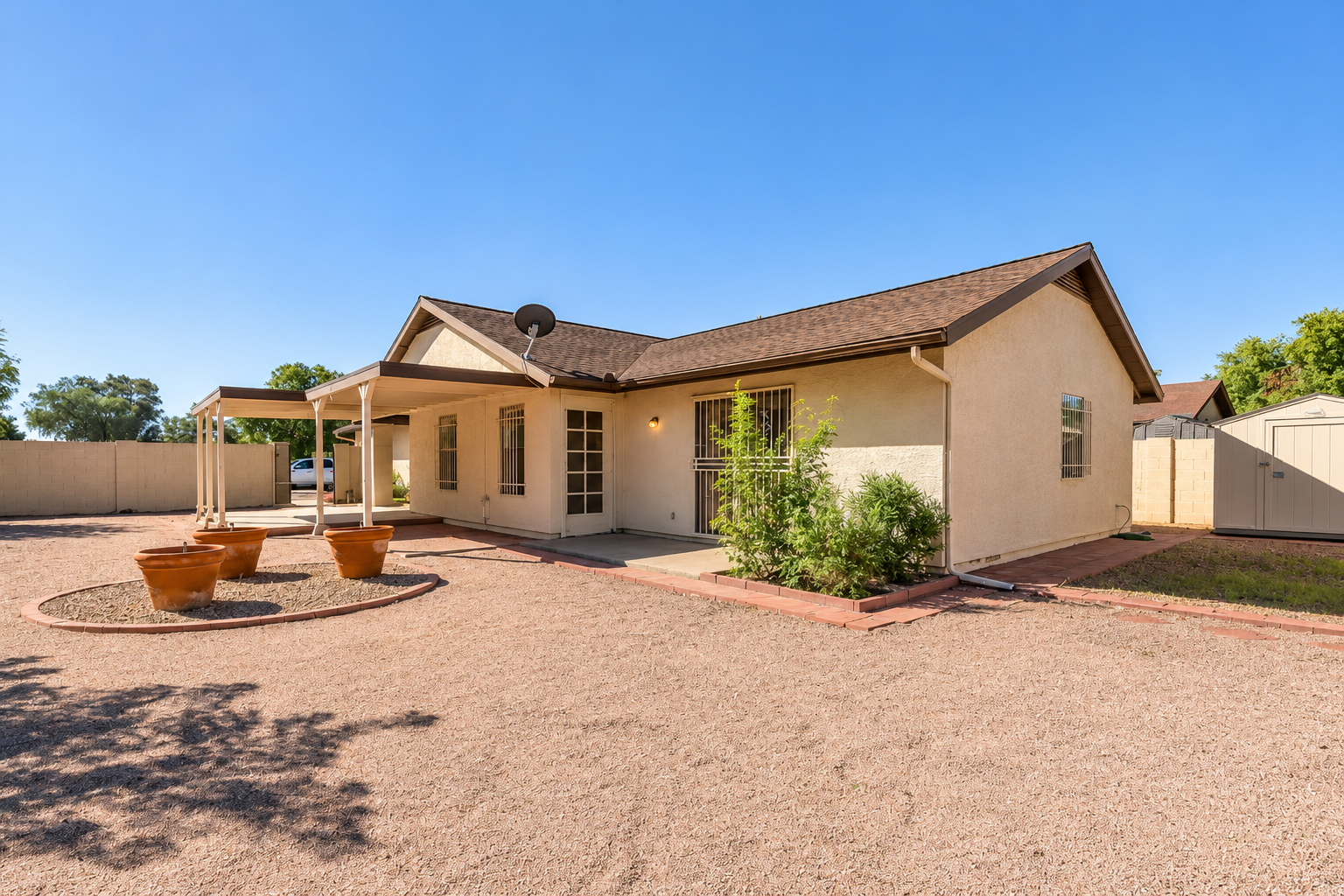
Large Corner Lot
More usable outdoor space, more ADU potential, and stronger long-term resale and rental appeal.
ADU Potential
Arizona's HB 2720 requires larger cities, including Phoenix, to allow ADUs on single-family lots. For ADUs built on or after Sept. 14, 2024, cities may require the owner to live on-site if the ADU is used as an STR.
Expansion Upside
Room for a pool, spa, sport court, or covered outdoor living, which can raise nightly rates and long-term rental desirability.
Deer Valley also sits near major employment corridors and healthcare campuses, which drives steady mid-term rental demand from traveling nurses, contractors, and corporate relocations. For a deeper comparison, see Phoenix Short-Term vs. Mid-Term Rentals.
Three Exit Strategies Built In at Purchase
Most buyers have one path from a home purchase: live in it, then sell it. These buyers closed with three options already identified for when they relocate, the result of targeting the right asset from day one, the same way I approach every Arizona investment property search.
Short-Term Rental
Highest Income CeilingPlatform-ready with no HOA. Phoenix demand runs on year-round visitors, spring training, and corporate travel.
Mid-Term Rental
Stable, Lower TurnoverFurnished 30+ day stays for traveling nurses, contractors, and relocating professionals near Banner Thunderbird and I-17.
Long-Term Rental
Passive & PredictableThe simplest pivot: lease to a long-term tenant when it's time to relocate.
*Cash-on-cash is projected annual pre-tax cash flow divided by total cash invested (down payment plus furnishing and setup). Cap rate is projected net operating income divided by purchase price. Projections are based on comparable STR performance, before permitting and licensing costs, and are not guaranteed.
For context, most stabilized single-family rentals in the metro trade at cap rates of 4–6%. Reaching a projected 12% on a first purchase in the $300K–$400K range comes from the negotiation and the asset selection, not market luck. Once the home is converted to and held as a rental, a 1031 exchange can defer capital gains when proceeds are reinvested. Owners who actively run it as an STR may also be able to use STR tax strategies to offset W-2 income; see our real estate tax strategy services.
The Deal: How We Negotiated an Estate Sale in Phoenix
The home was being sold by an estate, so the sellers wanted a clean resolution more than every last dollar. That calls for an offer that respects their situation while capturing real value for the buyer. We came in aggressively and decisively.
Deal Breakdown
| Term | Result |
|---|---|
| Price reduction negotiated | ~10% below list |
| Closing costs | Fully covered by seller |
| Additional credits | Yes, further reduced cash to close |
| Price range | $300K–$400K |
| Cash to close beyond down payment | Near zero |
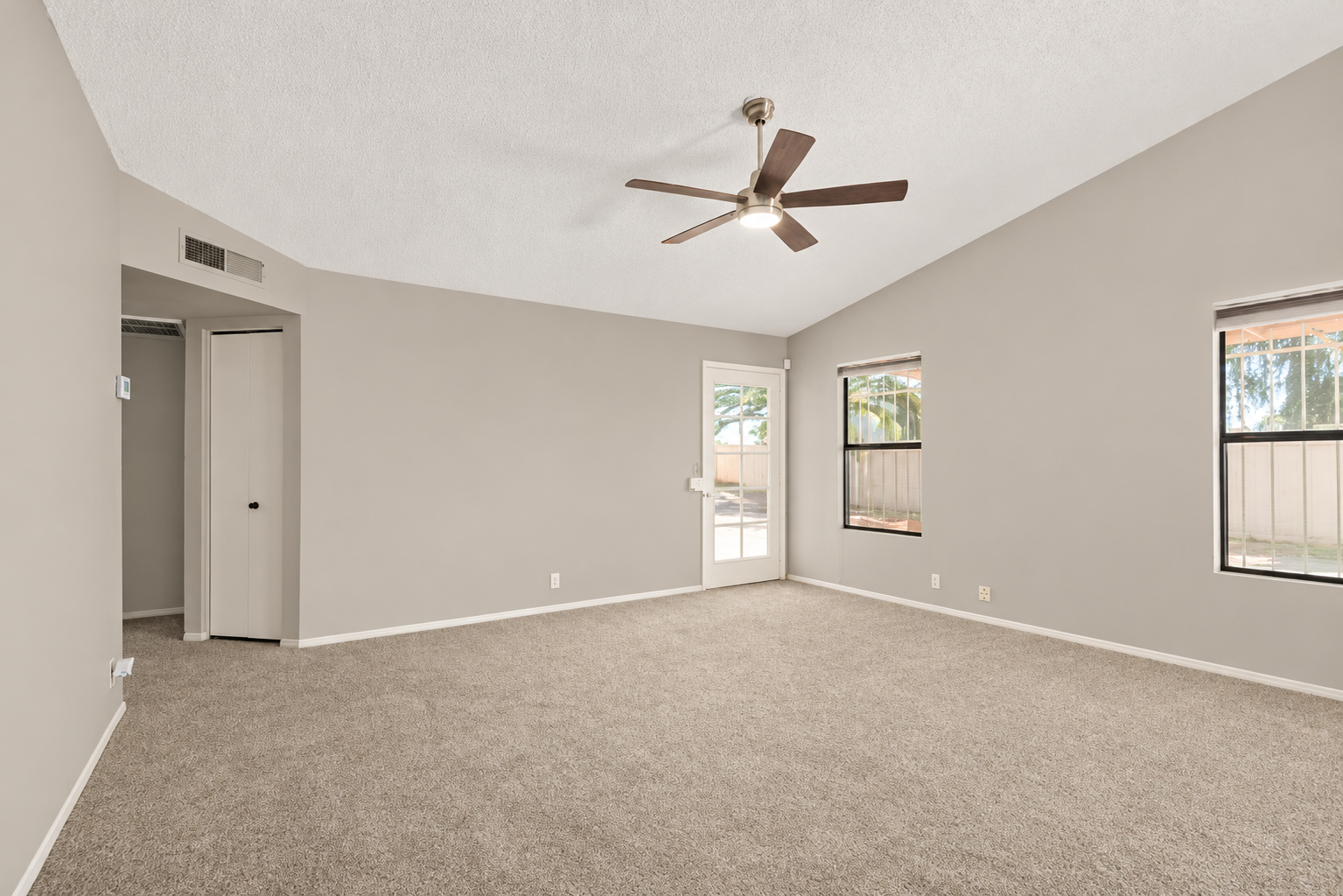
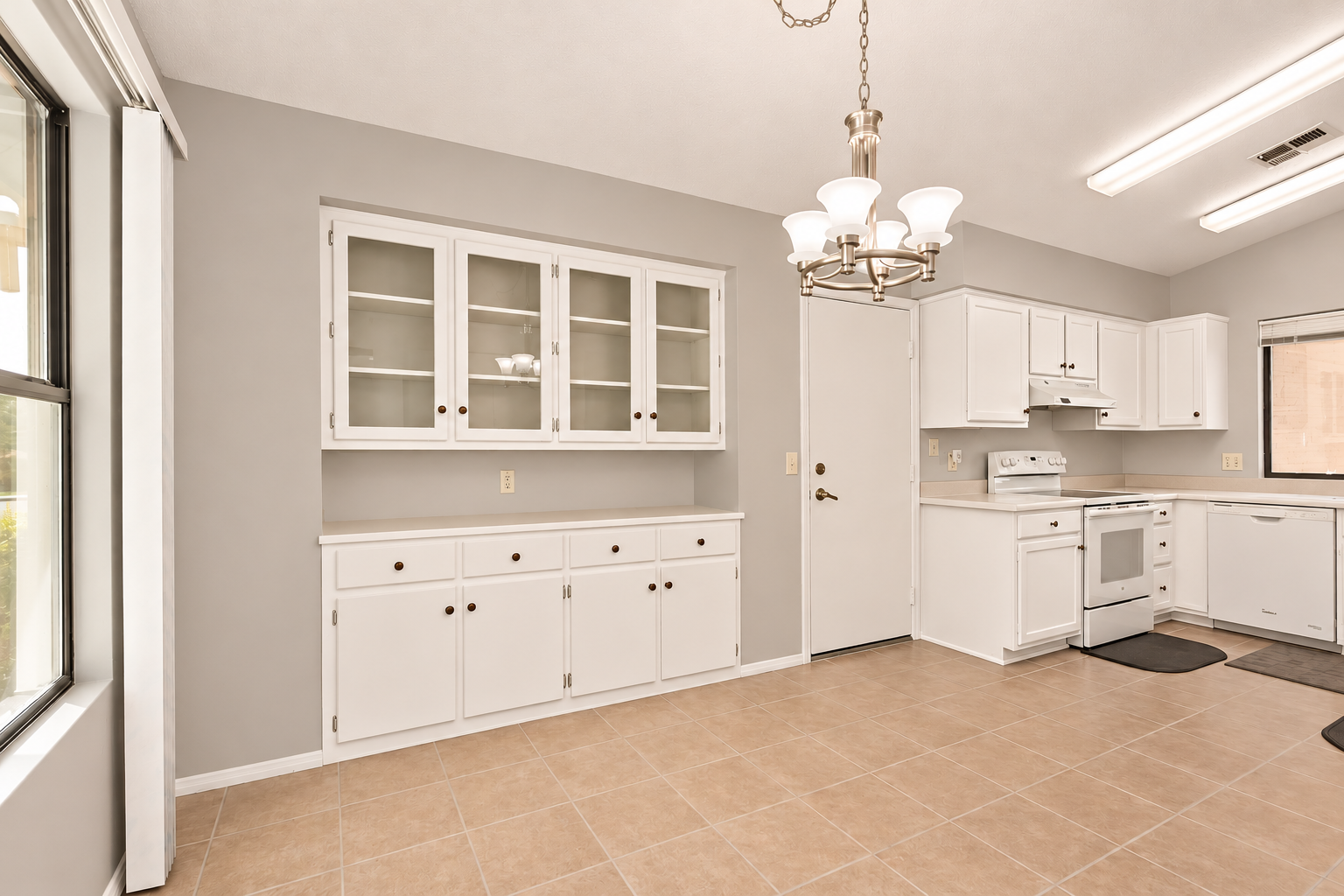
Affordability hasn't disappeared from the Phoenix market. It's just moved. You have to know where to look, be willing to think differently, and have the right person in your corner when the opportunity shows up.
Eric Ravenscroft, CRS
From Chase Referral to Closing Day
What Actually Made This Work
It's tempting to call a result like this luck. It wasn't. It came down to factors every buyer can build:
- They used the resources they already had. Their bank relationship connected them with a vetted, preferred agent instead of a name pulled from a search result.
- They knew their exit strategy before their address. Their long-term plan shaped what to prioritize, what to pass on, and what to negotiate for.
- They were coachable. When the guidance was to go aggressive on an estate sale, they trusted it and executed.
- They stayed flexible on the search. They didn't chase; they waited for the right asset in the right range.
- They came in prepared. Debt paid off, pre-approved, and ready to move. In a negotiation, preparedness is leverage.
See how this approach has played out for other clients in our client wins and case studies, including a Scottsdale first-time buyer case study where we beat multiple offers on another estate sale.
Buying your first home in Phoenix?Let's map your exit strategy before you start touring.
Book a Strategy CallFirst-Time Home Buyer Checklist for Phoenix
Here's the framework these buyers followed, adapted for anyone starting out. You'll find more guides in our home buyer resources.
- Know your numbers. Estimate your cash to close and true monthly payment before you tour (see the cost breakdown below, or our home buying calculators).
- Get fully pre-approved, not just pre-qualified. It makes your offer credible and lets you move the day a motivated seller appears.
- Ask about down payment assistance. Arizona and the City of Phoenix offer programs (see below); eligibility and funding change often.
- Decide your hold period and exit plan. Sell, rent long-term, or rent short- or mid-term? The answer shapes which homes you should even see.
- Know your loan's occupancy rules. Primary-residence loans (FHA, VA, most conventional) generally require you to live in the home, typically at least a year, before renting it.
- Budget for Phoenix-specific costs. Summer electric bills, HVAC and roof age, pool upkeep, and insurance, not just principal and interest.
- Check HOA status and rental rules early. HOA covenants can restrict rentals even where state law protects them.
- Target motivated-seller situations. Estate sales, longer days on market, and vacant homes leave more room to negotiate.
- Inspect thoroughly. Use the inspection period to price in repairs and negotiate credits.
How Much Does It Cost to Buy Your First Home in Phoenix?
The two numbers every first-time buyer needs are cash to close and the true monthly payment. Here's how the three most common first-time buyer loans compare on a sample $350,000 Phoenix home. For the income side, see Can You Afford a Home in Phoenix in 2026?
Sample: $350,000 Phoenix Home · 30-Year Fixed at 7.18%
| Estimate | Conventional 3% | FHA 3.5% | VA 0% |
|---|---|---|---|
| Down payment | $10,500 | $12,250 | $0 |
| Est. closing costs (~3%) | $10,500 | $10,500 | $10,500 |
| Est. cash to close | $21,000 | $22,750 | $10,500 |
| Principal & interest | $2,300 | $2,328 | $2,422 |
| Mortgage insurance | Varies (PMI) | $155 | None |
| Property taxes (~0.6%) | $175 | $175 | $175 |
| Homeowners insurance | $250 | $250 | $250 |
| Est. monthly payment | $2,725 + PMI | $2,908 | $2,847 |
Assumptions: 7.18% rate (Freddie Mac 30-year average, week of Nov. 5, 2026); FHA includes 1.75% upfront MIP financed and 0.55% annual MIP; VA includes a 2.15% first-use funding fee financed; property tax near the Maricopa County average; insurance about $3,000/year. Arizona closing costs commonly run about 3%–6%. Seller concessions and down payment assistance can cut cash to close significantly. Run your own numbers with our home buying calculators.
Down Payment Assistance for First-Time Buyers in Phoenix
Many first-time buyers don't realize they may qualify for help with their down payment and closing costs. Funding, income limits, and price caps change often, so confirm availability with the program or an approved lender.
Open Doors
City of Phoenix- Up to 10% of the purchase price
- 0% deferred loan, forgiven after the affordability period (up to 15 years)
- First-time buyers at or below 80% of area median income
- Phoenix city limits; price cap applies
- Homebuyer education plus counseling
Home+Plus
Arizona IDA- Assistance based on a percentage of the first mortgage
- Forgivable second loan, forgiven after 5 years
- 620 minimum credit score; income limit applies
- First-time buyer status not required
- FHA, VA, USDA and HFA conventional loans
Home in Five
Maricopa County- Down payment and closing cost help of up to 6%
- Serves low- to moderate-income buyers
- Homes in Maricopa County
- Funding rounds vary; check availability
Stacking programs: Some buyers combine city and state assistance. If you do, the loans must be layered in the right lien order at closing, so raise it with your lender early. Seller concessions, like the closing costs these buyers negotiated, can stack with assistance too.
Phoenix Short-Term Rental Rules to Know Before You Buy
Arizona protects the right to operate short-term rentals, but Phoenix still regulates them. If an STR is part of your plan, budget for these requirements from the City of Phoenix STR program:
- A City of Phoenix STR permit through the SHAPE PHX portal ($250 initial and renewal fee)
- An Arizona Transaction Privilege Tax (TPT) license
- Rental registration with the Maricopa County Assessor (A.R.S. §33-1902)
- Written notice to neighboring properties before renting
- At least $500,000 in liability insurance, or a platform that provides equal coverage
- Your permit number on every listing and advertisement
- Background checks and attestations for owners and designees
For the full walkthrough, see our Arizona short-term rental guide, or browse short-term rental and vacation homes in Arizona.
Tip: Rules change. Before writing an offer that depends on STR income, confirm current permit requirements with the city and make sure your financing allows the rental use you're planning.
Affordability Still Exists in Phoenix, But It Requires Strategy
After years of rapid appreciation, some first-time buyers have pulled back, convinced affordable entry points are gone. Our Phoenix housing market updates track how conditions shift month to month, and this transaction tells a different story.
Within $300K–$400K, there are still properties with meaningful upside, particularly in established neighborhoods like Deer Valley with larger lots, few HOAs, and steady rental demand. If you're weighing new construction homes in Phoenix, that guide covers builder incentives and negotiation, or browse current Arizona new construction homes and developments.
- Target motivated sellers rather than multiple-offer listings
- Prioritize lot size and rental eligibility over surface finishes
- Look for expansion potential (ADU capacity, outdoor amenity room)
- Structure offers that solve the seller's actual situation, not just price
- Arrive pre-approved and ready to move quickly
Moving from another state? Our out-of-state buyers guide covers searching and closing remotely, and Moving to Arizona and our Phoenix relocation resource cover neighborhoods and getting settled.
Arizona Home Buying Glossary for First-Time Buyers
The terms you'll hear most during a Phoenix purchase, several of them specific to Arizona contracts.
Buyer-broker agreement
A written agreement between you and your agent outlining their services and compensation. Since August 2024, buyers sign one before touring homes with an agent.
Pre-approval
A lender's review of your income, assets, and credit that confirms how much you can borrow. It's stronger than a pre-qualification and makes your offer more competitive.
Earnest money
A good-faith deposit you make when your offer is accepted, held by the escrow company and credited toward your purchase at closing.
Inspection period
The window after acceptance (10 days by default in the standard Arizona purchase contract) to complete inspections, review disclosures, and decide whether to move forward.
BINSR
Buyer's Inspection Notice and Seller's Response. The Arizona form you use during the inspection period to request repairs or credits, or to cancel the contract.
SPDS
Seller's Property Disclosure Statement. The seller's written disclosure of what they know about the home's condition, history, and any known issues.
CLUE report
A history of insurance claims filed on the property in recent years. It can reveal past water, roof, or other damage.
WDIIR
Wood-Destroying Insect Inspection Report. Arizona's termite inspection report, which some loans require and every buyer should consider.
Sewer scope
A camera inspection of the main sewer line. It's especially valuable for older homes and those with mature trees, where root intrusion is common.
Appraisal contingency
Protection that lets you renegotiate or cancel if the home appraises for less than the purchase price.
Seller concessions
Money the seller agrees to put toward your closing costs or rate buydown. That's how these buyers paid $0 in closing costs.
Escrow and title
In Arizona, a neutral escrow company holds funds and documents and handles closing, and title insurance protects you against ownership defects.
PMI / MIP
Mortgage insurance. PMI applies to conventional loans with less than 20% down, and MIP applies to FHA loans.
Cash to close
The total you bring to closing: down payment plus closing costs and prepaid items, minus credits and assistance.
First-Time Home Buyer in Phoenix: FAQs
Can first-time home buyers find affordable homes in Phoenix with investment potential?
Yes. In the $300K–$400K range, established Phoenix neighborhoods like Deer Valley still offer homes with larger lots, no HOA, ADU potential, and multiple rental exit strategies. The key is targeting motivated sellers and prioritizing flexibility over surface finishes. See more examples in our client wins and case studies.
How much do I need for a down payment to buy a home in Phoenix?
Many first-time buyers put down far less than 20%. Conventional loans allow as little as 3% down, FHA loans 3.5%, and VA and USDA loans 0% for eligible buyers. On a $350,000 home, that's about $10,500 to $12,250 down, plus closing costs that commonly run about 3% to 6% of the price. Down payment assistance and seller concessions can reduce what you bring to closing.
What credit score do I need to buy a house in Arizona?
FHA loans generally allow a 580 score for 3.5% down, and most conventional loans require about 620. Arizona's Home+Plus assistance program requires at least 620. Higher scores usually mean better rates and lower mortgage insurance costs.
Are there down payment assistance programs for first-time buyers in Phoenix?
Yes. Main options include the City of Phoenix Open Doors program (up to 10% of the price for eligible first-time buyers), the Arizona IDA's Home+Plus program (a forgivable second loan; first-time status not required), and Home in Five in Maricopa County. Income limits, price caps, and funding change, so confirm availability with an approved lender.
How long does it take to buy a home in Arizona?
Once your offer is accepted, closing typically takes about 30 to 45 days with financing, including a 10-day inspection period under the standard Arizona contract. The search itself varies; being pre-approved and having a clear plan, as these buyers did, shortens it.
Do first-time buyers pay their real estate agent in Arizona?
Since August 2024, buyers sign a written agreement with their agent before touring, which spells out the agent's compensation. That compensation is negotiable, and buyers can ask the seller to cover it or other costs through concessions in the offer.
What does it mean to be a bank's preferred real estate agent, like with Chase?
Some banks and lenders, including Chase, maintain networks of real estate agents they have vetted and approved to work with their customers. A preferred agent is chosen for experience and client service and is expected to coordinate smoothly with the customer's lender. Eric Ravenscroft is a preferred agent for nine financial institutions, including Chase, USAA, SoFi, and PennyMac. Buyers are always free to choose their own agent.
How can first-time buyers find off-market or coming-soon homes in Phoenix?
Off-market and coming-soon homes are usually found through direct outreach rather than listing sites. An experienced agent can run campaigns to owners who may be open to selling and network with agents who are preparing to list, giving buyers a chance to tour and make an offer before a home goes live on the MLS.
How do you negotiate an estate sale home in Phoenix?
Estate sellers are usually motivated by a clean, timely resolution rather than top dollar. A well-structured offer, with a firm price, strong financing, and requests for seller-paid closing costs or credits, can reduce a buyer's out-of-pocket costs while still giving the estate a compelling, low-risk path to closing.
What should first-time buyers look for before a home inspection in Phoenix?
Watch for signs of termite activity such as mud tubes and damaged wood, signs of sewer line root intrusion such as slow drains near mature trees, roof wear and water staining, and the age of the HVAC system and water heater. Knowing these in advance helps buyers decide which inspections to add, such as a sewer scope, and what to negotiate.
What is a BINSR in Arizona?
BINSR stands for Buyer's Inspection Notice and Seller's Response. It's the Arizona form buyers use during the inspection period to request repairs or credits based on inspection findings, or to cancel the contract. The seller then accepts, rejects, or counters the requests.
What makes a Phoenix home short-term rental eligible?
Arizona law (A.R.S. §9-500.39) prevents cities from banning short-term rentals, but HOA covenants can still prohibit them. A no-HOA home in Phoenix can generally be used as an STR once the owner obtains a City of Phoenix STR permit, an Arizona TPT license, and registers the rental with the Maricopa County Assessor. Our Arizona short-term rental guide explains each step.
Can a first-time buyer turn their home into a rental right away?
Usually not immediately. Owner-occupant loans such as FHA, VA, and most conventional primary-residence mortgages generally require you to live in the home for a period, typically about a year, before renting it out. Confirm the exact terms with your lender before you buy.
Can I build an ADU on my Phoenix property?
In most cases, yes. Arizona's HB 2720 requires larger cities, including Phoenix, to allow accessory dwelling units on single-family lots, and larger or corner lots usually offer the most flexibility. If you plan to use a newer ADU as a short-term rental, check whether owner-occupancy rules apply.
What is the projected rental income for 3702 W Marconi Ave in Phoenix?
Based on STR performance projections, the home is estimated to generate about $64,000 in gross annual revenue, with a projected 22% cash-on-cash return (on total cash invested) and a 12% cap rate. These figures are specific to this purchase and are not guaranteed.
General information, not legal, tax, or financial advice. Programs and rules change; confirm details with your lender, title company, or attorney.
About the Author
Eric Ravenscroft, CRS
Owner & Team Lead, The Ravenscroft Group at Real Broker · Former Director of Wealth Management · AZ License SA691304000
Before he sold a single home, Eric spent 15 years in financial planning, rising to Director of Wealth Management and advising physicians, executives, and business owners. He started The Ravenscroft Group at Real Broker because buyers deserved an agent who could explain not just whether a house is nice, but what it will do to their net worth. Every client gets a complimentary personal financial plan alongside the search. Why he moved from finance into real estate.
That financial lens is why banks send him their customers. Chase, USAA, SoFi, PennyMac, Citibank, Citizens, RBC, Huntington, and Fifth Third have each independently vetted and approved Eric as a preferred agent, and CPAs and financial advisors nationwide refer clients for the same reason. His team works with first-time buyers, military families, California and out-of-state relocations, and investors across Greater Phoenix, with deep experience in new construction, 1031 exchanges, and short-term rentals.
The results follow: over $100 million in closed residential sales, more than $150 million in client wealth built through appreciation, and 175+ five-star Google reviews. Eric is ranked #2 in Arizona and #22 in North America among Real Broker agents, RealTrends-verified as the #1 agent in Buckeye, Litchfield Park, Goodyear, Glendale, and Waddell, and one of fewer than 3% of REALTORS® to hold the CRS designation. He's been quoted in The Wall Street Journal, Morningstar, MarketWatch, and MSN Money, and hosts The House of Ravenscroft podcast.
For Chase & Partner-Bank Customers
- A preferred agent vetted by your bank, not a random referral
- A complimentary personal financial plan before you shop
- A tour scorecard and 1/5/10-year cost model on every serious home
- Off-market and coming-soon access beyond the MLS
- Negotiation focused on price, credits, and closing costs
Featured In & Recognized By
Preferred Agent For
Full bio & credentials · LinkedIn · YouTube · Instagram · eric@theravenscroftgroup.com
Disclosure: Negotiation results, deal terms, and investment figures are specific to this transaction and are not guaranteed for future clients. Rental income figures are projections. Short-term rental use is subject to city, state, HOA, and lender requirements. This content is for informational purposes only and is not financial, legal, tax, or investment advice. Eric Ravenscroft, Arizona License SA691304000, The Ravenscroft Group at Real Broker. Equal Housing Opportunity.
Categories
- All Blogs (328)
- Active Adult & 55 Plus Communities (17)
- Arizona Relocation Guides (32)
- Buyers (218)
- Financial Planning (63)
- General Real Estate (145)
- Income From Real Estate (62)
- Market Update (26)
- New Construction (29)
- News, Updates and Coming Soon (57)
- Real Estate Agent Financial Planning (22)
- Real Estate Investing (99)
- Sellers (107)
- Vacation and Short Term Rentals (46)
Recent Posts


About the Author
Eric Ravenscroft is a Top 1% REALTOR® across North America and one of Arizona’s most trusted real estate strategists. With 15 years of experience spanning real estate, wealth management, and investment planning, he helps clients make smarter, financially grounded decisions, from new construction and relocations to STR investments, 1031 exchanges, and long-term portfolio strategy.
Eric’s expertise has earned him industry recognition, Elite status with Real Broker, and features in major publications including the Wall Street Journal, MarketWatch, MSN, and Morningstar. Clients across the Greater Phoenix Metro rely on his clarity, strategic insight, and results-driven guidance.
Ready to make a confident real estate move? Call or text Eric today.