
Why Most Buyers Choose the Wrong House and How the Right Phoenix Real Estate Agent Helps

Why Most Buyers Choose the Wrong House — and How the Right Phoenix Real Estate Agent Helps
Six costly mistakes buyers make, and what the right advisor does differently before you ever write an offer.
Buying a home is one of the most significant financial decisions most people will ever make. Yet many buyers don't realize they've chosen the wrong house until years later — not at the closing table, but after life changes, costs compound, or flexibility disappears.
The issue usually isn't poor judgment or lack of effort. It's perspective.
Most buyers evaluate homes through a short-term lens, focusing on what feels right today rather than what will continue to work as circumstances evolve. This guide breaks down the most common home-buying mistakes and explains how choosing the right real estate agent can help buyers avoid decisions that quietly become expensive over time. If you're moving in from out of state, our Phoenix relocation resource is a good companion to what's below.
Who this home buying guide is for
New to the process? Our buyer resources hub has guides, checklists, and tools built for exactly these situations — and you can read more about who's behind this guide if you want the full background first.
Why buyers end up in the wrong home
Buyers rarely choose the wrong house because they missed a better deal or overpaid. They choose the wrong house because they optimize for emotion and immediacy instead of function and longevity.
Real estate decisions don't exist in isolation. They influence monthly cash flow, long-term ownership costs, lifestyle flexibility, and future exit options. When buyers focus only on finishes, staging, or first-year affordability, they often overlook the factors that matter far more over time.
In markets like the Greater Phoenix Metro, where buyers navigate resale homes, HOAs, varying ownership costs, and changing lifestyle needs, the difference between a transactional purchase and a strategic decision becomes even more important. Current conditions matter here too — our Phoenix housing market updates track how those dynamics are shifting month to month.
The six biggest home-buying mistakes
Focusing on finishes instead of fundamentals

Cosmetic features draw attention for a reason — they're easy to see and easy to imagine enjoying. Countertops, flooring, lighting, and paint all photograph well and create emotional pull. But these are also the easiest elements to change.
Easy to change later
Fixed for good
A beautifully finished home with a poor layout or restrictive footprint often becomes frustrating far sooner than buyers expect.
Buying for "right now" instead of future needs
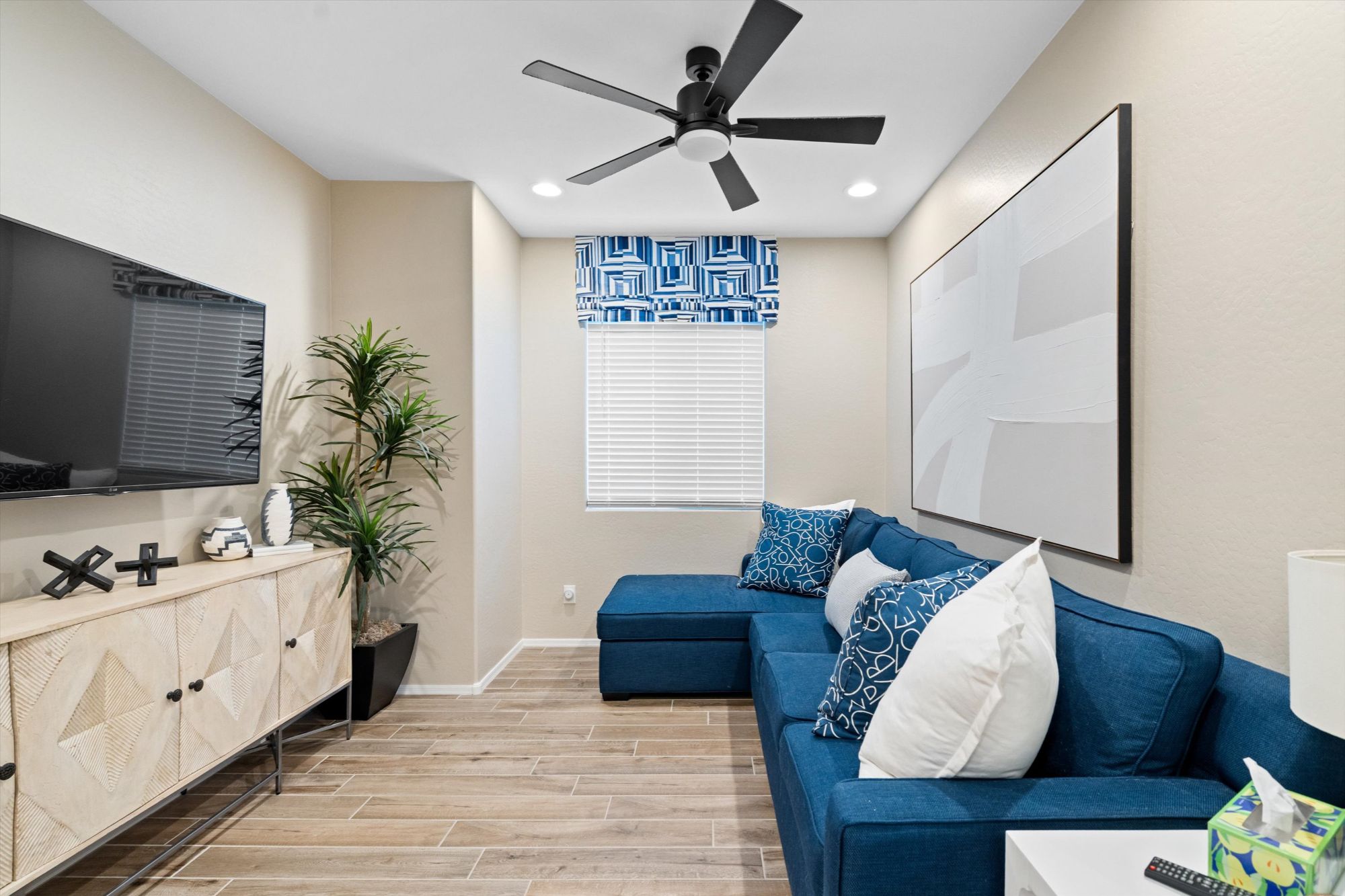
Life rarely stays static. Work arrangements evolve. Families grow or downsize. Health needs change. Parents age. Children leave and sometimes return. A home that feels perfect today can feel limiting in just a few years.
Buyers often underestimate how quickly:
This is exactly why so many buyers gravitate toward planned communities built around that future — whether that's an Arizona 55+ active adult community for downsizing, or a master-planned neighborhood like Verrado in Buckeye built to flex across life stages.
Only analyzing year-one costs
Most buyers evaluate affordability based on the first year of ownership. Far fewer consider what the home costs to own over time — property tax adjustments, insurance increases, maintenance and capital repairs, HOA dues and special assessments, utilities, and operational costs.
National housing and consumer-finance research consistently shows homeowners underestimate long-term costs such as insurance, maintenance, and capital expenses. When buyers fail to project costs into year 3, year 5, year 10 and beyond, they risk purchasing a home that slowly strains cash flow or forces difficult decisions later. Our helpful calculators can model that full picture before you make an offer, and if you want ownership costs weighed against your broader financial plan, that's exactly what our real estate financial planning approach is built for.
Ignoring exit strategy
Few buyers plan to sell shortly after purchasing, but every real estate decision should support more than one outcome — long-term occupancy, rental flexibility if needed, strong resale demand, and a strategic exit if plans change.
Ignoring exit strategy doesn't mean buyers intend to move — it means they're unprepared if they have to. Optionality is one of the most valuable yet overlooked components of a good real estate decision.
Overlooking HOA rules and restrictions
Homeowners associations can quietly eliminate future flexibility. Rental restrictions, occupancy limits, design controls, and use rules often aren't top of mind during showings, but they can have a major impact later. Buyers frequently assume they'll "figure it out if needed," only to discover limitations they didn't anticipate.
Buying on lifestyle alone instead of performance
Enjoying where you live matters, and lifestyle should absolutely be part of the decision. But lifestyle without performance creates imbalance. Performance includes resale demand, marketability across buyer types, cost efficiency relative to alternatives, and long-term desirability of the location.
A home can feel wonderful to live in and still underperform financially or limit future flexibility. The best decisions balance enjoyment with durability. Lifestyle-driven buyers should still weigh performance carefully — our Arizona golf course communities guide breaks down which of those neighborhoods hold value and which are priced mostly for the view.
The one question every buyer should ask: will this still work when life changes?
If the answer depends entirely on everything staying the same, it's worth slowing down and reassessing before you commit.
How to choose the right real estate agent as a buyer
Here's the part buyers usually miss: the six mistakes above rarely happen because a buyer wasn't paying attention. They happen because the agent in the room wasn't built to catch them — and was never obligated to.
An agent who's optimizing for a closed transaction and an agent who's optimizing for your next decade look identical during a showing. The difference only shows up in what they say next. Here's what that actually looks like.
Represents only you
Almost everyone else in a transaction is working toward a different outcome than yours. Your agent should be the one person with no conflicting loyalty — someone who owes you a duty of loyalty through the negotiation, the inspection period, and every document you sign.
Shows you the numbers behind the feeling
A staged living room or a polished model creates a pull that has nothing to do with value. A good advisor grounds the decision in comparable sales, how nearby neighborhoods have appreciated, how the lot sits, and how similar homes have resold.
Reads the fine print before you sign
Purchase contracts are dense, and builder contracts tend to be drafted by the builder's own attorneys. Deposit terms, contingency deadlines, change-order rules, and closing timelines are far easier to negotiate before you sign than to dispute afterward.
Hears about opportunities early
Agents who stay active in a market tend to learn about upcoming community releases, quiet listings, and shifting seller expectations sooner than buyers searching on their own. That head start can mean better choices and better leverage.
Separates upgrades that earn their keep from those that don't
Some upgrades tie to the lot or the structure and are hard to add later. Others are cosmetic and often cheaper to handle after you own the home. An agent who has watched resales can help you sort one from the other before money gets committed.
Is usually paid by the other side
Buyer representation is typically funded through the seller's or builder's side of the transaction rather than billed to you separately, so strong representation often costs no more than walking in alone. Confirm the specifics in your buyer agreement.
Stays reachable after the keys change hands
Issues surface after move-in — a warranty claim, an unfinished punch-list item, a contractor recommendation. The right agent treats closing as the middle of the relationship, not the end of it.

A builder's sales team works for the builder, so it pays to have your own advisor vet the company before you fall for a model home. Explore active communities in our Arizona new construction guide, see current incentives and costs in our 2026 Phoenix new construction buyer's guide, then press on these questions before putting down a deposit:
For the full case for representation on a new build, read why you should hire a real estate agent for new construction homes in Arizona.
A note on upgrades. Model homes showcase every premium option, but whatever you finance at the design center follows you through the life of the loan. Choices tied to the lot and structure — the location of the home, outdoor living space, and electrical or gas rough-ins — are hard to add later and tend to support resale. Decorative choices like backsplashes and cabinet hardware can usually be handled after closing, often for less. Decide which category each upgrade falls into before your design appointment, not during it.
When researching how to choose a real estate agent generally — new construction or resale — look for someone who:
Many buyers don't realize that the right real estate agent for them is often the one who helps them avoid the wrong house — not the one who pushes them toward the fastest decision.
Questions to ask before choosing a buyer's agent
The answers often reveal whether an agent is focused on transactions — or outcomes.
Why the right advisor changes outcomes
A good advisor doesn't just open doors or submit offers. They help buyers evaluate the parts of a home that can't be changed, stress-test future scenarios, identify hidden constraints early, and align housing decisions with long-term plans.
Buyers benefit most when real estate decisions are evaluated through both a housing and financial lens, especially as ownership costs, flexibility, and planning horizons become more important. You can see what that looks like in practice in our client case studies.
Phoenix client reviews: 175+ five-star ratings
Working with Eric was one of the best decisions we made. As first-time Airbnb investors, we had so much to learn, and Eric became so much more than our realtor. He shared his knowledge of the short-term rental market, helped us think through the investment from a long-term wealth-building perspective, and was always incredibly generous with his time and advice.
What I'll always appreciate most is that he truly cared about finding the right property for us, not just helping us buy a house. We fell in love with a home in Scottsdale and were ready to move forward, but Eric encouraged us to keep looking because he didn't believe it was the right investment. At the time, it was disappointing, but he was absolutely right. A short time later, we found the perfect property, one that checked every box.
Eric is thoughtful, honest, incredibly knowledgeable, and genuinely invested in his clients' success.
We've been working with Eric for the past few months after relocating to Arizona from another state and deciding to purchase a home here. From the very beginning, Eric provided invaluable guidance and support throughout the entire process. His knowledge of the market, financing, current trends, and future real estate developments is truly impressive.
Not only are his skills and experience exceptional, but so is the way he communicates with his clients — always calm, confident, and reassuring. Buying or selling a home can be an extremely stressful experience, and having Eric available whenever questions came up gave us great peace of mind and confidence that everything was under control.
Since we were building a new home, the process came with additional challenges and required coordinating with multiple people. Thanks to Eric's expertise and approach, we were able to identify important details in the construction process that we otherwise might have missed. Today, we are proud owners of a brand-new home. Even the builder appreciated how smoothly and professionally everything was handled under Eric's guidance.
Working with Eric was an outstanding experience from start to finish. From our earliest conversations, he demonstrated an exceptional ability to quickly understand our investment criteria and long-term objectives, and to filter opportunities accordingly. As out-of-state buyers, we relied heavily on his market expertise, and his insights — both at the location level and the individual property level — were consistently thoughtful, data-driven, and candid.
Our search took several months and required a hybrid, largely remote process. Throughout that time, Eric was proactive, detail-oriented, and highly responsive. He earned our trust completely, and his ability to assess properties through an investor lens and act as our eyes on the ground was invaluable.
Where Eric truly distinguished himself was during the transaction itself. We encountered a particularly challenging mortgage process, and he worked tirelessly to ensure our interests were protected at every step. It was clear that he viewed his role not just as facilitating a purchase, but as representing us strategically and responsibly.
We had an outstanding experience working with Eric to purchase our short-term rental in Scottsdale. From the very beginning, he took the time to educate us on the entire process, helped us define clear investment criteria, and guided us on what to look for to meet our specific goals. He was incredibly fair and never pushy — always offering thoughtful guidance while fully respecting our priorities.
Beyond the purchase itself, he went above and beyond by connecting us with trusted vendors for home improvements, property management, and other STR-specific needs, and by sharing valuable insights into the local market. He was knowledgeable, responsive, and truly had our best interests in mind.
More five-star reviews
We are immensely pleased with our service from Ravenscroft realty for the purchase of our new home. Eric was profoundly knowledgeable in the housing market in the greater Phoenix area, making our relocation from another state hassle free.
Eric was super helpful in helping us with the purchase of our first home. As first time homebuyers, we were nervous and unfamiliar with the process and he made it very seamless and easy. This is the second time Eric has helped our family purchase a home.
I just closed on a home, and Eric made the process so incredibly seamless. Every question I had — and I had a lot of them — he could answer with no problem. He is extremely knowledgeable, thorough, and just an all around great realtor to work with.
Eric is a knowledge broker. He is up to date on the micro and macro market, interest rates, investing, taxes and so much more. I had specific questions about investing in Airbnbs and Eric immediately knew which communities allowed it and which didn't. A true pro.
Eric is very knowledgeable about the Phoenix area real estate market. He provided excellent guidance throughout the process — from property identification to closing. His knowledge and guidance were instrumental in our decision to invest in North Phoenix.
Eric provided us with tools to help us throughout the home buying process and detailed breakdowns of potential homes we were considering purchasing. I strongly recommend using Eric if you're considering buying a home in the Valley.
Phoenix real estate client wins
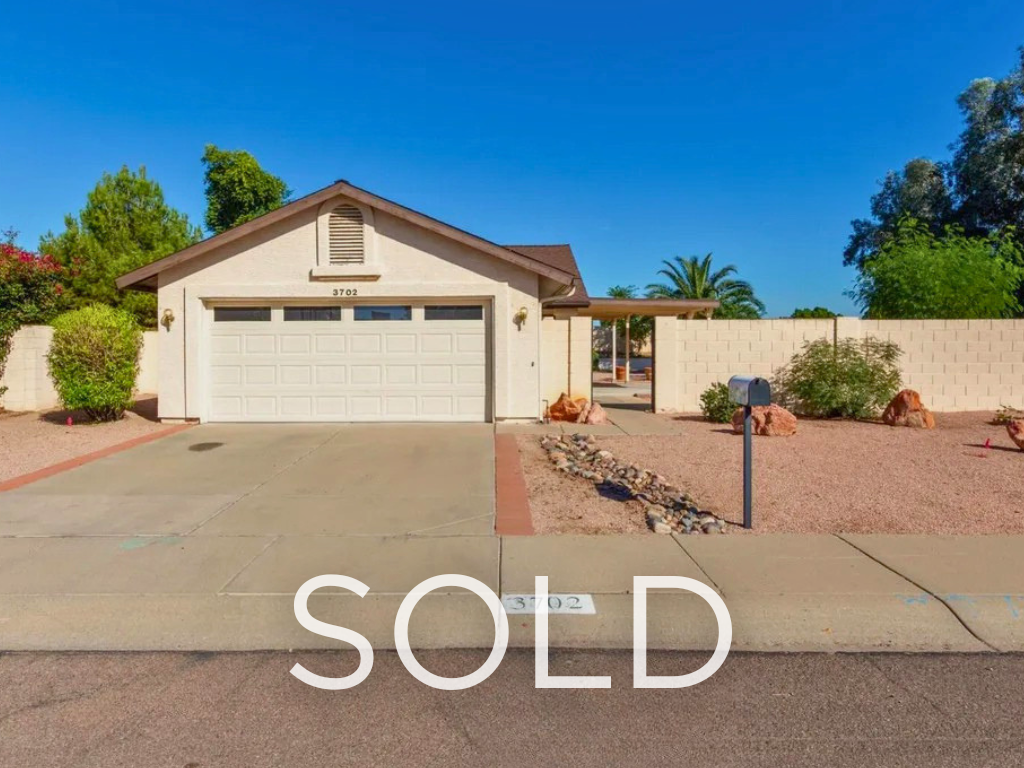 First-Time Buyer · Deer Valley Nearly 10% below list, closing costs covered, and a $64K STR income projection on their very first purchase
 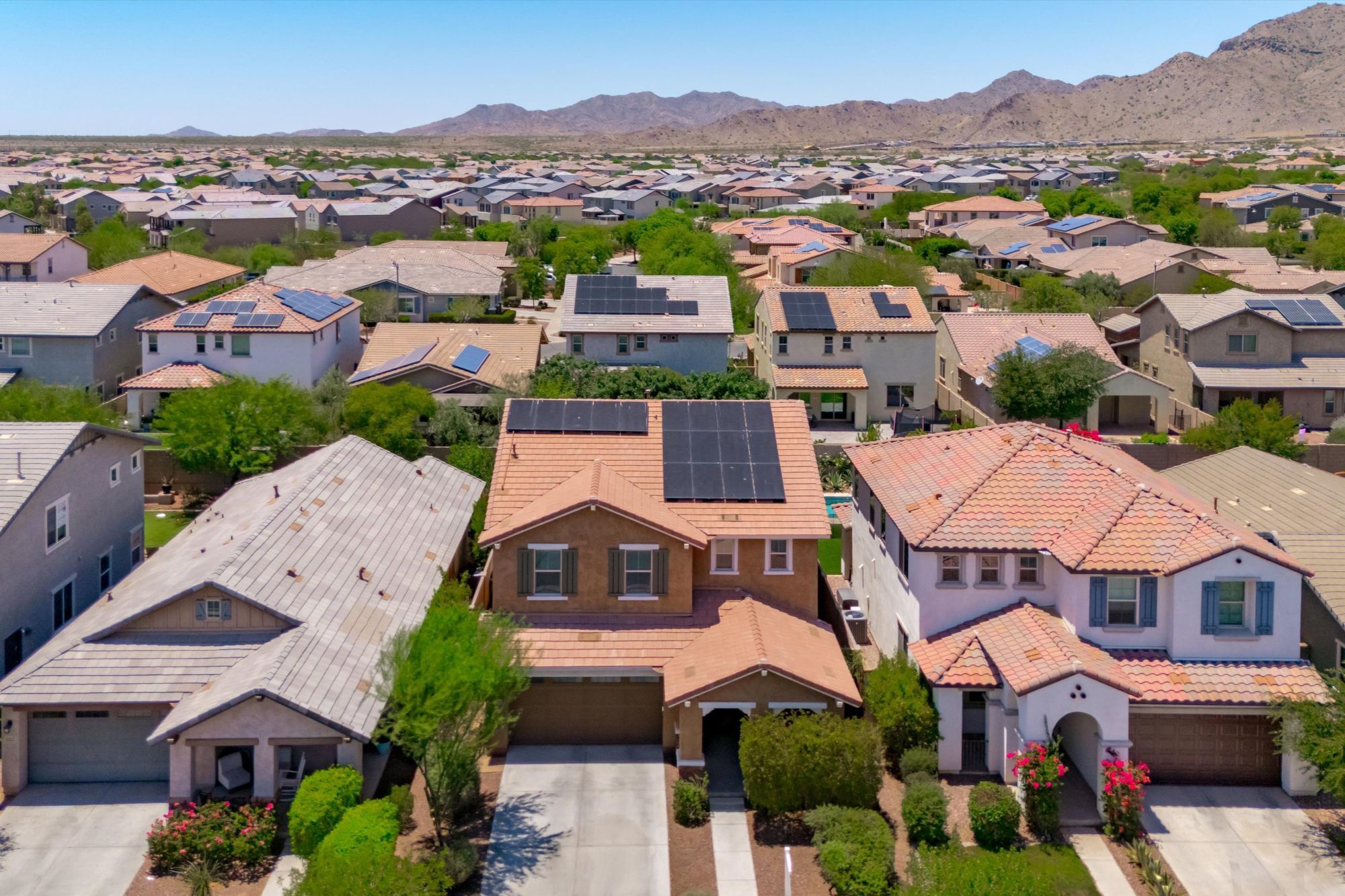 Seller Strategy · Verrado Selling a Home in Verrado, Buckeye AZ: a case study in strategy, positioning, and results
  Relocation · CantaMia at Estrella How California clients moved into a new build at 4.25% with $0 closing costs — and a retirement funded right
Home buying and agent selection FAQs
Is it better to buy based on lifestyle or long-term value?
Both matter, but long-term value often determines satisfaction years later. The best decisions balance enjoyment with flexibility and cost awareness.
How do I know if a house will still work in the future?
Evaluating layout, adaptability, long-term costs, and exit options helps determine whether a home can evolve as life changes.
What does a buyer's agent do beyond showings?
A strong buyer's agent helps evaluate trade-offs, identify hidden constraints, and guide decisions based on long-term outcomes — not just availability.
How important is exit strategy when buying a home?
Exit strategy provides optionality. Even buyers planning to stay long-term benefit from understanding resale and rental potential.
Why does choosing the right real estate agent matter so much?
Because the right agent helps buyers avoid costly mistakes before they happen — not fix them afterward.
How much does it cost to work with a buyer's agent?
In most transactions, buyer representation is compensated by the seller or builder as part of the deal, not paid out of pocket by the buyer. That means full advocacy, contract review, and negotiation support typically come at no added cost compared to going in unrepresented.
What should I ask before touring a new construction community?
Ask about the builder's warranty responsiveness, how the HOA is funded and governed, real appreciation data from comparable communities, and which upgrades genuinely affect resale versus which are marked up over post-close alternatives. A buyer's agent can walk through these before your first model home visit.
How do HOA rules affect resale value and future flexibility?
Rental restrictions, occupancy limits, and design controls can quietly limit what you're able to do with a home later — even if you never intend to rent it out or renovate. Understanding these rules upfront protects options you may not know you'll need.
Is it worth paying more for a home in a golf course or master-planned community?
It depends on the community. Some hold value well and offer genuine long-term demand; others are priced mostly for the amenity or view and can underperform at resale. Comparing appreciation history and buyer demand across specific communities matters more than the amenity itself.
How soon should I start working with an agent before I'm ready to buy?
Earlier than most buyers assume. Starting the conversation months before you're ready to write an offer gives an agent time to walk through financing, long-term planning, and target communities — rather than making those decisions under the time pressure of an active search.
Most buyers don't realize they chose the wrong house until they're living with the consequences — tighter finances, limited flexibility, or the cost of undoing a rushed decision.
Choosing with that perspective doesn't eliminate risk — but it dramatically reduces regret.

Eric Ravenscroft
I'm the founder of The Ravenscroft Group at Real Broker and a Top 1% REALTOR® across North America, recognized as a Platinum Producer (2022–2025) and President's Club recipient (2021–2025). I hold the CRS designation — the highest credential in residential real estate — alongside GRI, ABR, MRP, SRES®, and RSPS designations.
Before real estate, I served as a Director of Wealth Management, advising physicians, executives, and business owners on tax planning, investment strategy, and long-term wealth building. That career gave me a front-row seat to how buyers make housing decisions that quietly work against them — and how a longer-term, financially literate lens changes the outcome.
I've closed more than $100 million in residential sales, helped clients create over $152 million in long-term wealth, and carry more than 175 five-star Google reviews. My insights on Phoenix real estate and investment tax strategy have been featured in The Wall Street Journal, Morningstar, MarketWatch, MSN Money, and The Residential Specialist. I'm also the host of the House of Ravenscroft Podcast, available on Spotify, Apple Podcasts, YouTube, Amazon Music, and iHeartRadio.
I'm the preferred real estate partner for USAA, Chase, SoFi, PennyMac, Citibank, Huntington, and Fifth Third — institutions that refer their clients to me because they trust me to deliver both the right property and the right strategy.





Phoenix's Preferred Agent for Leading Financial Institutions
Eric is a preferred real estate partner for USAA, Chase, SoFi, PennyMac, Citibank, Citizens, Huntington, Fifth Third, and other major institutions — reinforcing his standing among the industry's most trusted advisory professionals.








More Phoenix real estate guides
Or browse the full Ravenscroft Group blog for more on Phoenix real estate.



Categories
- All Blogs (321)
- Active Adult & 55 Plus Communities (16)
- Arizona Relocation Guides (30)
- Buyers (211)
- Financial Planning (60)
- General Real Estate (139)
- Income From Real Estate (59)
- Market Update (26)
- New Construction (28)
- News, Updates and Coming Soon (57)
- Real Estate Agent Financial Planning (22)
- Real Estate Investing (94)
- Sellers (106)
- Vacation and Short Term Rentals (45)
Recent Posts






About the Author
Eric Ravenscroft is a Top 1% REALTOR® across North America and one of Arizona’s most trusted real estate strategists. With 15 years of experience spanning real estate, wealth management, and investment planning, he helps clients make smarter, financially grounded decisions, from new construction and relocations to STR investments, 1031 exchanges, and long-term portfolio strategy.
Eric’s expertise has earned him industry recognition, Elite status with Real Broker, and features in major publications including the Wall Street Journal, MarketWatch, MSN, and Morningstar. Clients across the Greater Phoenix Metro rely on his clarity, strategic insight, and results-driven guidance.
Ready to make a confident real estate move? Call or text Eric today.